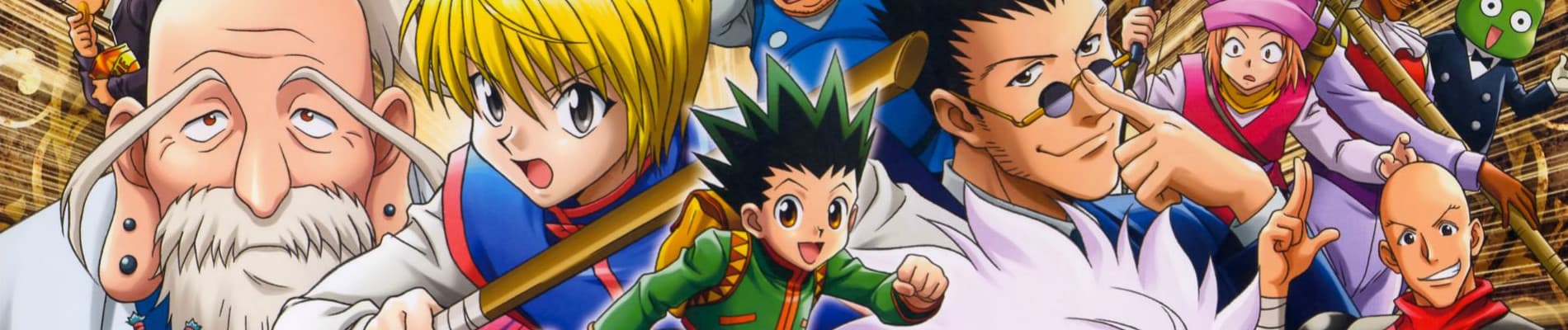

Good example of how to create a Legend
I wouldn’t call Hunter x Hunter a perfect masterpiece, but it undeniably stands above many of its contemporaries. Like any series, it has its strengths and weaknesses, and this review will take a close look at both. I’ll try to approach it not as a blind fan, but as someone who appreciates thoughtful storytelling and strong direction — because even though I don’t consider myself a “fan,” this anime managed to carve a place in my heart. And now, I want to explain why.
Story Overview
As I mentioned in the introduction, Hunter x Hunter doesn’t follow a single straightforward path. Instead, it constantly shifts its tone and structure depending on what’s happening — each arc feels unique in its own way, sometimes even outshining the others. Is that a bad thing? I’m not entirely sure. Long-running shows often struggle to maintain one consistent atmosphere, so I can’t really blame the series for that.
Where I can point some blame, however, is in how the show handles viewer engagement over time. It’s incredibly important to keep that spark alive — the excitement that makes you want to immediately watch the next episode. And yet, I sometimes caught myself watching certain episodes that felt borderline filler-like, moments that failed to grab me despite the humor and charm.
This raises an interesting question: is that really the show’s fault, or maybe I’m just not the kind of viewer built for stories like this? After some thought, I’ve decided it is a flaw of the series. No matter how strong the world-building or storytelling is, keeping the narrative consistently engaging is crucial. That’s why, to me, Hunter x Hunter isn’t a perfect masterpiece — it’s brilliant, yes, but not flawless. If I were the author, I’d probably tweak a few things — as arrogant as that might sound.
Worldbuilding
What can be said about the world of Hunter x Hunter? Honestly — a lot. But instead of diving into every little detail, I’ll just say this: the worldbuilding here gives the series an incredible foundation for long-term storytelling. It’s not just a backdrop for the characters to move around in — it’s a fully realized system that constantly evolves and opens new possibilities.
Once again, it’s not perfect. There are moments where the rules of the world feel a bit too flexible or left unexplored, but overall, the level of detail and imagination behind it deserves genuine respect — both for the author and the editors who helped shape it. The fact that this world could easily sustain another full story or sequel without breaking its logic says enough about how solid it truly is.
Characters
Since this is a spoiler-free review, I won’t go into much detail, but I’ll touch on one thing — I love shows where characters actually feel different from each other. Hunter x Hunter nails that part. Every character has their own motives, beliefs, and emotional core. You can tell them apart not just by their looks, but by the way they think, act, and grow.
But I didn’t come here just to praise them — I came to evaluate. And here’s where my main question appears: if all of them are unique, why did only a handful truly stand out to me? I think the answer lies in how my subconscious reacts — it doesn’t crave uniqueness, it craves captivation. And that’s where the show slightly loses me.
Despite the wide range of personalities, Hunter x Hunter doesn’t completely win me over with its character variety. In some places, it could’ve gone deeper, given us more mature and emotionally complex arcs instead of focusing on youthful dreams. Charisma isn’t about being loud or quirky — it’s about presence, consistency, and emotional weight.
The show had all the tools to make its characters truly unforgettable, but sometimes it holds itself back. When a favorite character leaves an arc, the spark fades a little. The story remains interesting, sure — but that emotional flame, the one that makes your heart burn, dims.
However… there’s still something that can reignite that flame — and that’s exactly what we’ll talk about in the next section.
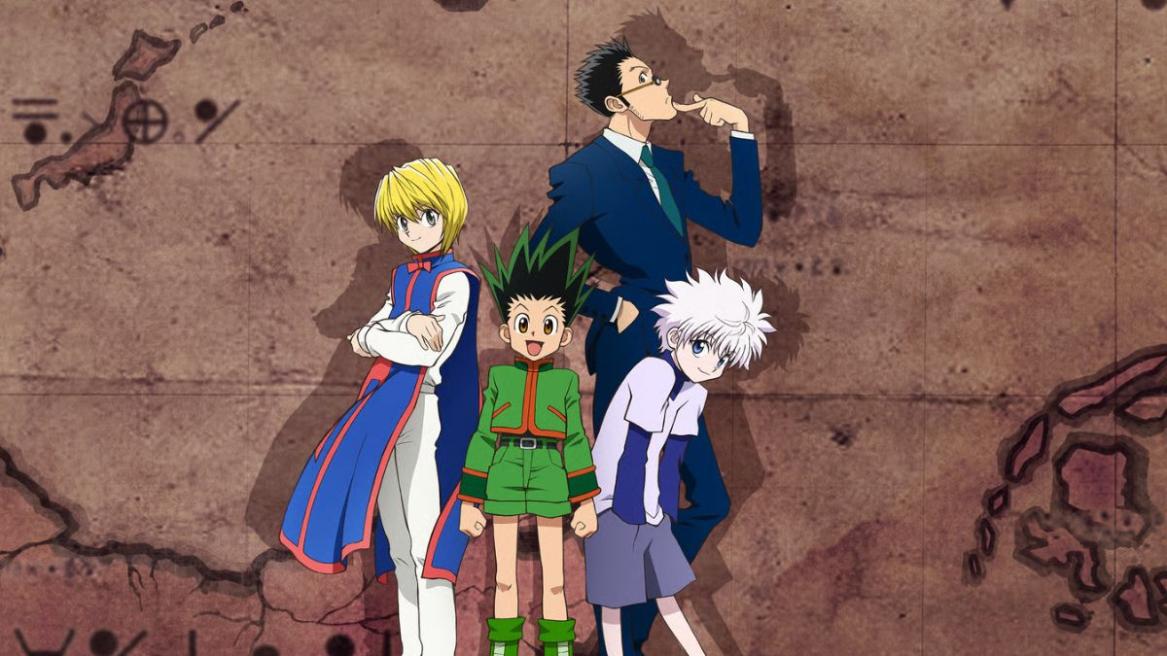
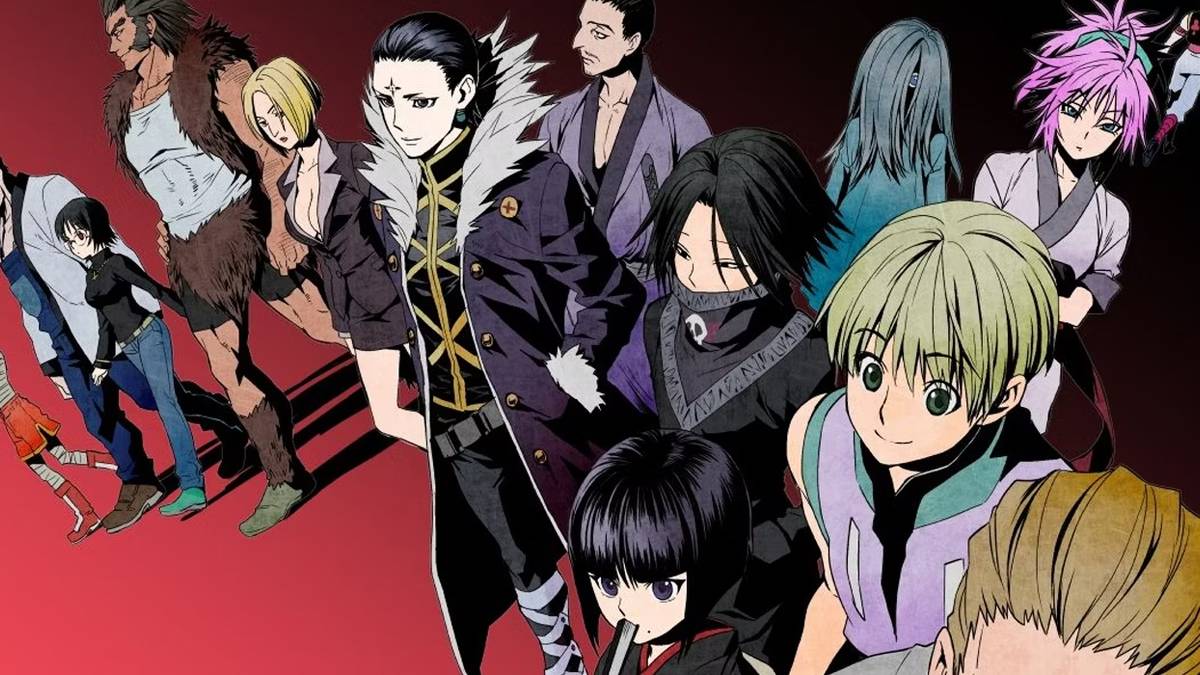
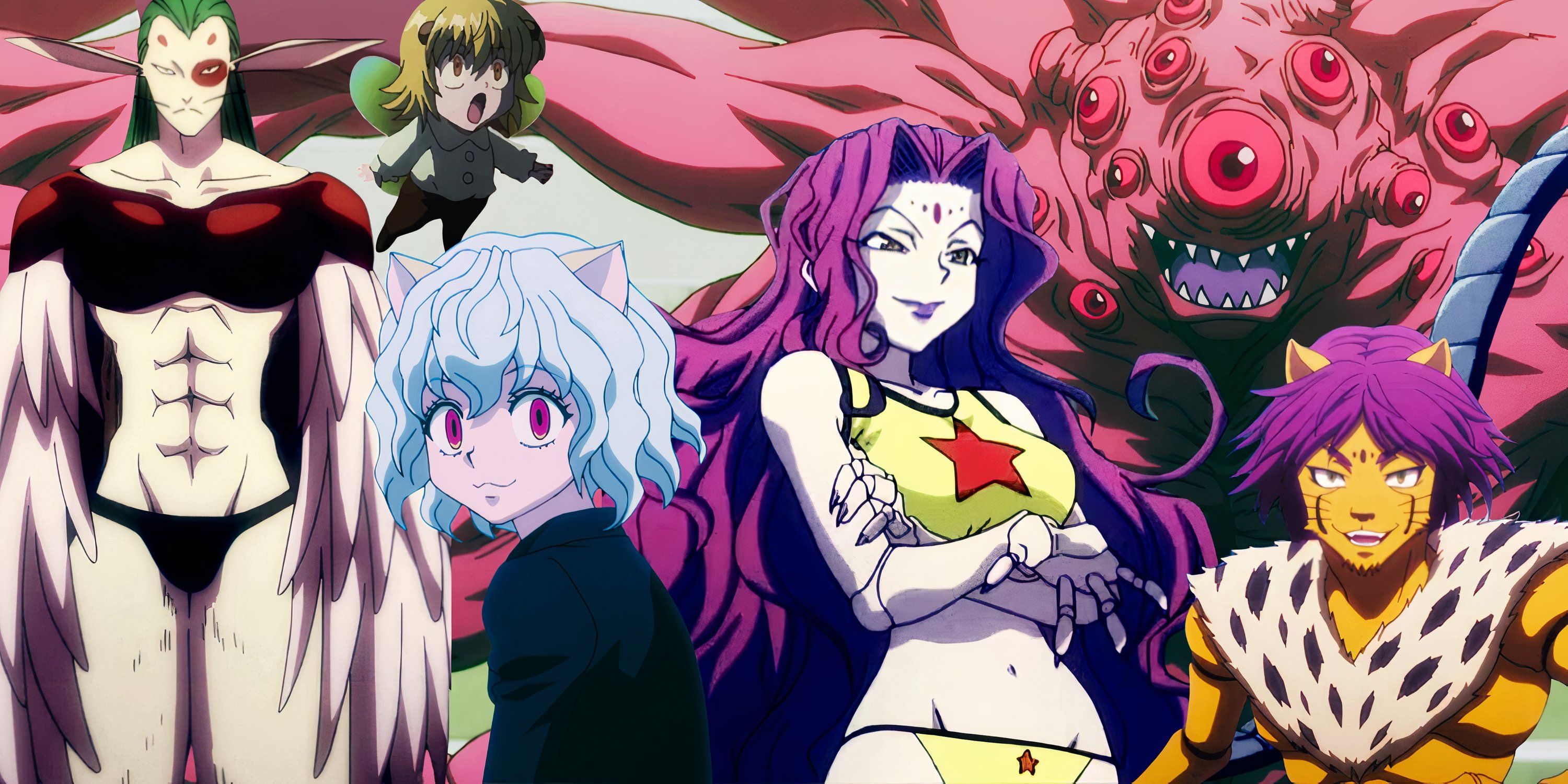
Even before I started watching, I’d heard countless people say that Hunter x Hunter has one of the best power systems in anime. And honestly, I agree — it truly stands among the best. But not necessarily because of how strong or flashy it is. The real strength of this system lies in individuality.
You see, the goal isn’t just to make abilities unique — it’s to make the way each character fights unique. Let’s take a simple example: two mages, one using fire and the other using ice. Sure, they’re technically different, but who really wants to watch two people just throw colored balls at each other? What we want to see is personality in every move. We want each fighter to reflect who they are through their abilities.
And that’s exactly what this anime does. The system feels like it’s born from the soul of the characters themselves — not something handed to them by the plot. Every power, every attack, every strategy feels connected to who they are deep down. That’s what makes it so fascinating.
However, there’s one thing I personally question — the need for overexplaining. The show introduces and elaborates on the system quite early, and keeps explaining it again and again. But do we really need to be told everything? Is mystery such a bad thing? I’d argue that part of the magic is letting the viewer think, giving us space to analyze, to wonder.
Sometimes, instead of breaking down every detail, I wish the show would just show — let the tension, the creativity, and the raw intensity of the fights speak for themselves. Because when it does, it absolutely shines.
To wrap this up, even though the power system doesn’t always get as much narrative attention as it deserves, it still absolutely demolishes most others in the genre — not by being complex, but by being meaningful. It doesn’t just empower the characters — it completes them.

What truly matters here is the mood — and that’s something the music nails perfectly. Each arc feels distinct, yet every opening still connects to the same emotional core. Whether the story dives into something darker, lighter, or more philosophical, the soundtrack adjusts just enough to carry you there without breaking the flow.
There’s a kind of charm in how Hunter x Hunter uses its music — not to overwhelm or distract, but to quietly guide your emotions. It’s not the kind of soundtrack that screams “masterpiece,” but rather one that blends with the world so naturally you barely notice it — until you realize how much it shaped the experience.
Opening 1: "Departure!!" ___ #Very few shows have managed to make me want to rewatch them, to rediscover their world and characters all over again. Hunter x Hunter is one of those rare exceptions. It stands out not because it’s flawless, but because it’s brave — it experiments, evolves, and constantly dares to show something new.
It’s heartfelt, adventurous, and honest in a way few long-running series are. It doesn’t rely on cheap tricks or overused tropes — it builds its legacy through sincerity and depth. That’s why, despite its imperfections, I genuinely believe it’s one of the most remarkable anime ever made.
