Elements of Mise en Scène in Devilman Crybaby(Note: This is a niche review. I was specifically looking at the setting, costumes, lighting, and depth of space of Devilman Crybaby, not the anime as a whole)
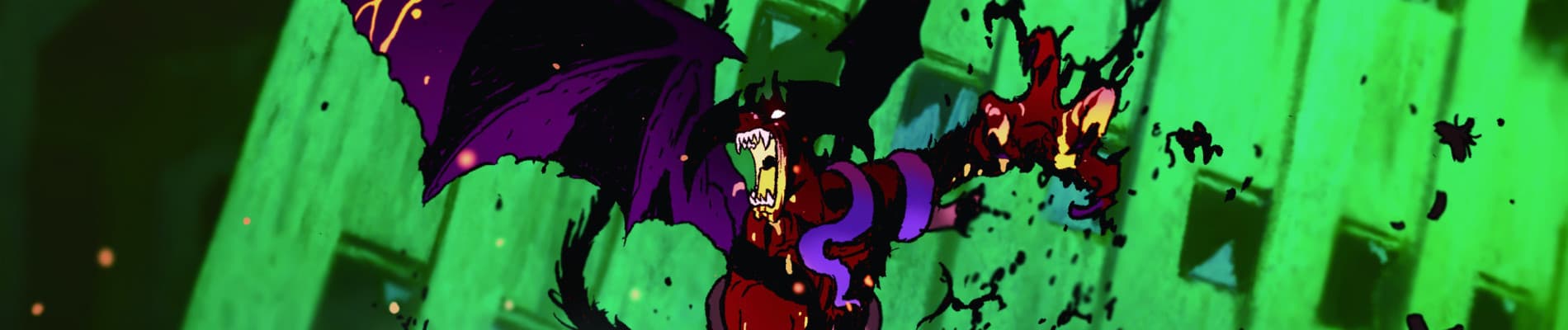
Devilman Crybaby, an absolute roller coaster of an anime, magnificently incorporates all 5 main aspects of Mise en Scène. All 10 episodes fill your screen with fast-paced, hard-hitting imagery, so there’s obviously a lot to unpack. The setting of Devilman Crybaby has been updated to an undisclosed city in the 21st century, as opposed to the original story which takes place in the 70s. The world around the main character, Akira, is a grittier, darker version of the real world most of the time. However, it is important to note that during scenes containing drug use and scenes containing demons, the setting is vibrant, confusing, and psychedelic.
The main locations in the anime are key to fully understanding the series’ depth.
Spoiler, click to viewclick to hide
For example, the mansion of Ryo Asuka, the main friend and later nemesis of Akira, is pure white and gives the impression of a sterile laboratory. This goes hand in hand with the white outfit of Ryo. Later in the series, Ryo is revealed to be Lucifer, who is a fallen angel and whose name translates to “morning star” or “light-bringer”. The irony is that pure white and sterile surroundings are completely unfit for someone as malicious as Ryo, but are understandable when looking at the etymology of his demon name, Lucifer.The decor and lighting of Devilman Crybaby are incredibly important as the differences in color and atmosphere help the viewer distinguish between scenes with demons and scenes with humans towards the beginning of the series.
Spoiler, click to viewclick to hide
The viewer’s first introduction to the psychedelic imagery in Devilman Crybaby comes when the main duo visits a club where everyone is incredibly high on a new designer drug. These neon colors and trippy, epilepsy-inducing visuals continue to be present whenever Akira turns into Devilman in order to hunt demons around the city. However, this stark contrast in animation style between Akira’s home life and life as Devilman is not always present. As the series progresses, it gets more difficult to tell, metaphorically speaking, who the real demons and humans are. The director, Masaaki Yuasa, showcases this ethical dilemma by blurring the line in this former dichotomy. Often, when an anime is being adapted from a preexisting manga, the manga serves as a storyboard for different shots and the positions of characters in them. This is not the case with Devilman Crybaby, though. By completely overhauling the shot composition from the original “Devilman” manga series, the depth of space has been completely revamped and modernized.
Spoiler, click to viewclick to hide
Whenever there are flashbacks to Akira and Ryo’s past, Akira is always towards the back, in Ryo’s shadow. However, after Akira’s first transformation into Devilman in the first episode, his physical appearance changes as well as his confidence and social demeanor. This is reflected in the anime by Akira being in the center of most shots after this alteration. This also served as confirmation of Akira’s status as the main character.