I like this anime quite a bit.
No major spoilers btw

Ginko tries doing the best he can, but knows when things are best left to fate. His apathy juxtaposes his altruism in a way that makes you ponder his true intentions. In essence he has common sense, a thing you rarely see in an anime main character. He is a man wise beyond his years, having to experience the highs and lows of human emotions first hand on a daily basis. His job description alone makes him the bearer of life and love, but also death and pain at the same time. His apathetic personality also acts like a canvas for the viewer to operate more independently than in most shows. The narrator or Ginko does not hold our hands when tackling different themes, as we are forced to color in the details and conclusions ourselves. The world Urushibara drops us in each episode is hasty yet intimate, the feeling of intrusion and even voyeurism I felt watching this was almost palpable.
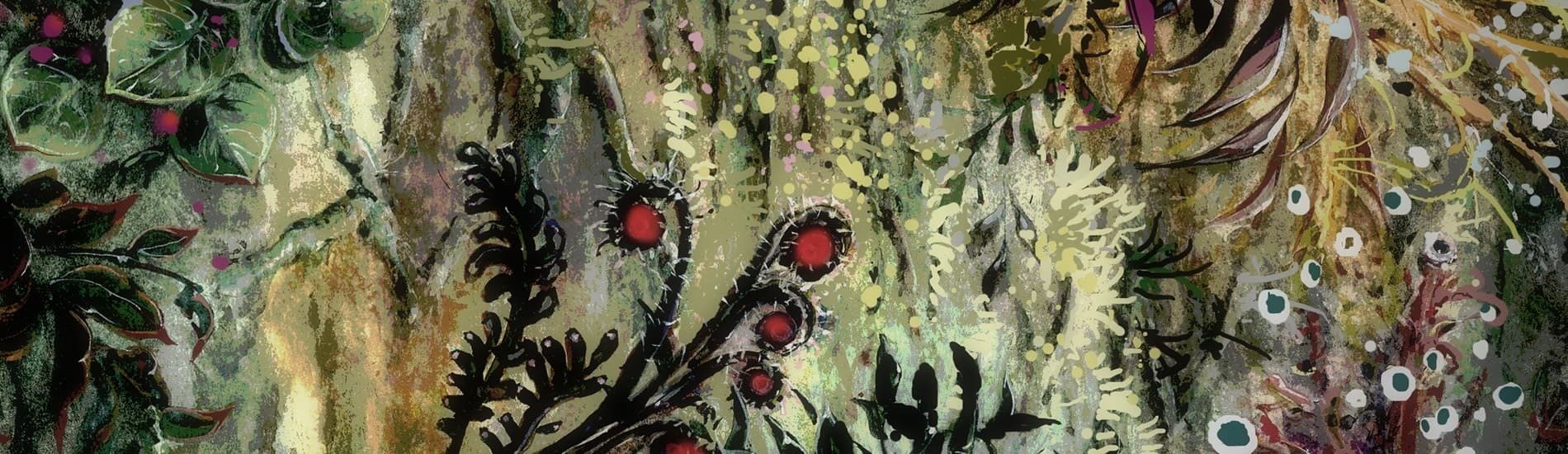
You often find yourself thinking that a scene overstays its welcome, then realizing it is part of the experience. The buzzing cicadas or whistling winds create the sonic backdrop for a lot of settings. The spacious atmosphere pulls out the main focus in these episodic tales to the forefront, the people. There aren't any extravagant violin concertos highlighting the climax of each story. Though it gives off this minimalistic and spacious ambience, by no means is it boring or bland. The artwork and sound design is simply stunning, some of the most beautiful nature scenes I have ever witnessed in anime. The stories lend itself to a lot of Eastern folklore touching things like the afterlife and spirits. I'm no expert on Japanese culture , but the watery transparent art style of the anime reminds me of old Ukiyo-e paintings. The ambient vibraphone melodies of the OST again, takes us to a place beyond reality grounded in ancient Japanese mythology.

Me rambling:
The show is so introspective and existential. There is a lot of nature, which really pairs well with the themes of life it throws at us. Mushi transcends desire and feeling, it has no ethics. Yet this omniscient thing is supposed to be life at its simplest purest forms. Does this challenge our preconceived ideas of our societal constructs? What place does greed, happiness, ambition... feeling in its totality have in the grand scheme of things? Bruh.
I can't help but think of Mushishi and its stories as a distant dream. The bittersweet ones that you want to remember, but as time goes by the details become lost and hazy. As time goes by your left with only the feelings those dreams gave you, not the setting or even story of it. Each tale in Mushishi cements our lost dreams creating a footnote of feeling we can always come back to.
Bruh its like 4 AM right now. This review sounds smart in my head but I bet it sounds like word salad to everyone else lol. Too lazy to edit though heheh.
91.5 out of 94 users liked this review
