

The age of artificial intelligence is soon going to be upon us. While it has been a common science fiction trope for many years, with the progression of technology, questions about AIs will soon prop up. While we don’t have to worry about it now, we still can keep it at the back of our minds for the near future. In fiction, artificial intelligence as a concept has been done to death. There are many movies, television shows, and books documenting what might happen during the rise of the machines. Tappei Nagatsuki’s anime original series, Vivy: Fluorite Eye's Song, initially seems like it isn’t so different when following the tropes of the ones who had previously tackled artificial intelligence. Vivy’s approach to depicting artificial intelligence ends up being far more emotional than most stories covering the same subject matter would dare to attempt. Through its emotionally-driven story, it manages to carve out its own identity.

It doesn’t exactly feel like it is brought up that often, but when artificial intelligence actually does get invented, questions about what the actual nature of AI are are going to prop up. These questions about emotion and humanity involving AI are extremely daunting to actually answer, and most would probably shy away from even providing anything that is close to an answer. What sets Vivy apart from most, is that it not only integrates them into the core theming of its story, it tackles them completely head on. In nearly every single arc, new morally gray questions about artificial intelligence are brought up and given a spotlight. Along with the hard questions asked, there are also hard decisions made along with it. The morally grey ambiguous zone of the questions asked makes the series far more interesting to watch, since it lacks predictability due to how generally vague the morality of everything is. It is, in a sense, ahead of its time in how it manages to cover issues about emotion, purpose, and meaning in AIs, that we won’t have to discuss, probably until the time period where the fictional events of the series actually starts. No one better represents the weight of the questions brought up than the series’ very titular character. Even throughout the various arcs, the one constant of Vivy’s struggle to find purpose stands to be an extremely engaging character arc that perfectly exemplifies all of the best qualities that this series has to offer. Nearly every arc ends with a powerful emotional send off that is a culmination of that arc’s themes and messages, making for some extremely resonant moments. For me specifically however, I didn’t exactly feel that moved by these scenes that really should have sent home a lot of what that arc was going for. For the reasons as to why that is, it is important to look at some of the deeper issues with the individual arcs.
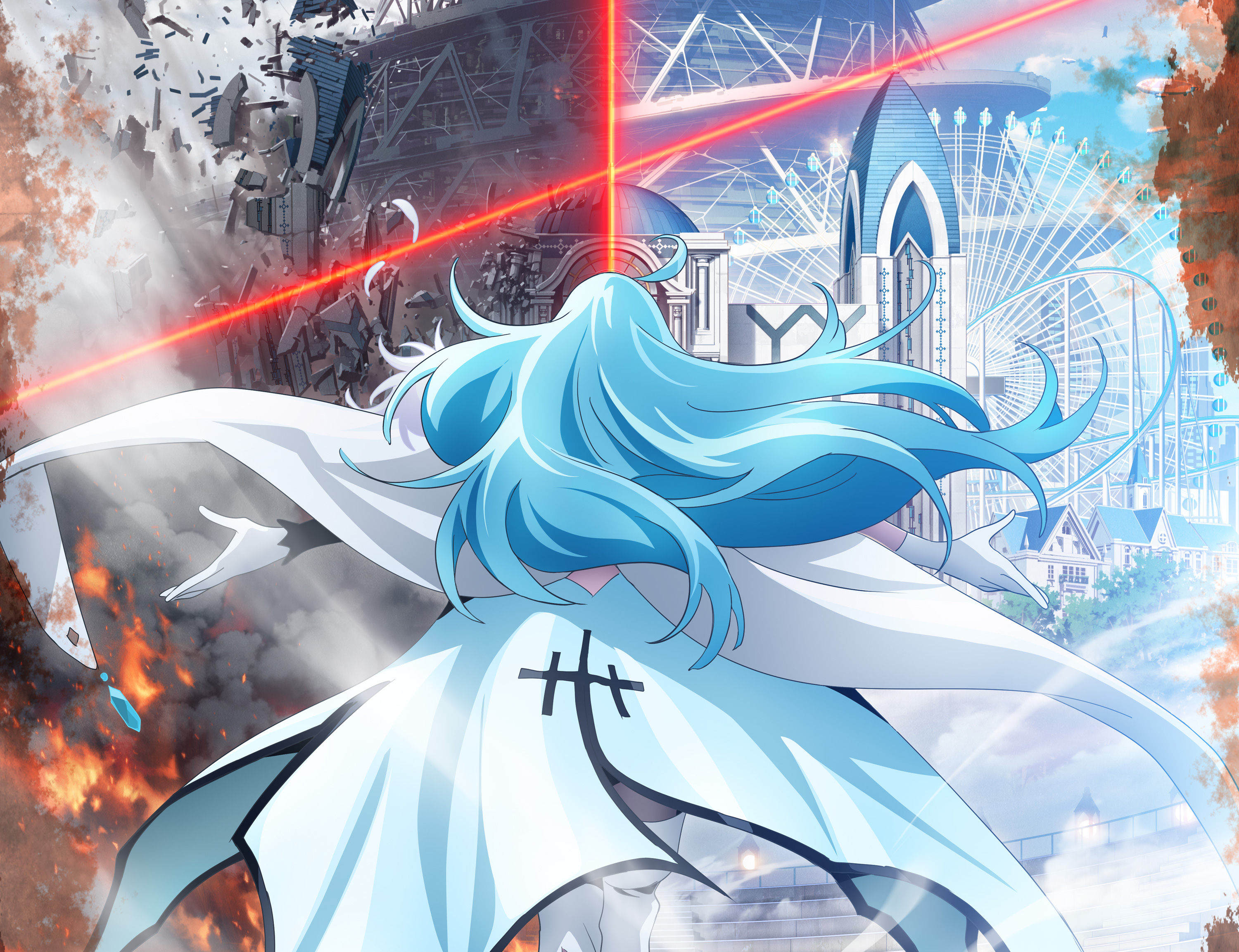
The actual stories that comprise Vivy's segmented arcs usually hit some very high highs. Despite this, there are some low lows thrown in there too. There are some arc-specific reasons as to why that is, but the more general problem at hand here stems from the series’ need to continually one up itself. At the halfway point of nearly every arc in this show, there is a plot twist that makes the viewer view the whole conflict at hand in a different light. While plot twists are a great narrative technique when used properly, Vivy feels like it needs to use it in order to shock the viewer. What usually happens in these arcs is that the series presents an extremely interesting question that it is going to tackle, but then immediately replaces that very interesting question with something that is far less interesting. The unhealthy need to insert plot twists in places where it doesn’t need to be hurt is far more than it deserves to. It is the reason that I always preferred the first halves of the arcs compared to the second half of them, because those were the halves that were entertaining the far more interesting question. However, what replaces the very interesting questions usually shown at the start after the plot twists are still engaging to follow. I wouldn't have praised it so much if that wasn't the case. It is just that I couldn’t shake my feeling of disappointment that I felt after the plot twist usually hit, and is precisely why I didn’t feel moved by the emotional climaxes of the story arcs.
In terms of the presentation of the story, it is absolutely fantastic. Hailing from Attack on Titan and Vinland Saga fame, Studio WIT brings this story to life in the best way that I could imagine. While the actual animation is great, what makes the actual visuals stand out to me so much is the sense of atmosphere that they provide. I don’t know how to fully describe it, but they radiate a pristine energy that is a perfect fit for a story like this about AIs. Another aspect of the presentation that I give massive kudos to is the music. While the actual OST doesn’t stand out to me the most, what makes Vivy’s music truly special is in its insert songs and the opening. They are great songs by themselves, but due to this series also being a bit of an idol anime, they also serve a purpose in the actual story itself. How exactly they do would get into spoilers, but they are what contribute to how emotionally packed the emotional climaxes actually are, even if the overall scenes themselves didn’t really affect me in particular very much.

Even with a lot of its more disappointing aspects, I still found there to be a lot of worth to be found in Vivy. It manages to tackle some pretty tough questions in a manner that shows a type of grace that is rare to find in anime, really ever. It is rare to see ambitious anime original projects like this, but when they start to air, you are usually in for an experience like no other. With what it does best, I am willing to forgive a lot of the flaws, because the full package manages to feel like a genuine eye’s song.
Thank you for reading to the end of the review if you did. If you have any criticisms with how this review was made, you are free to message me to critique what I had to say.