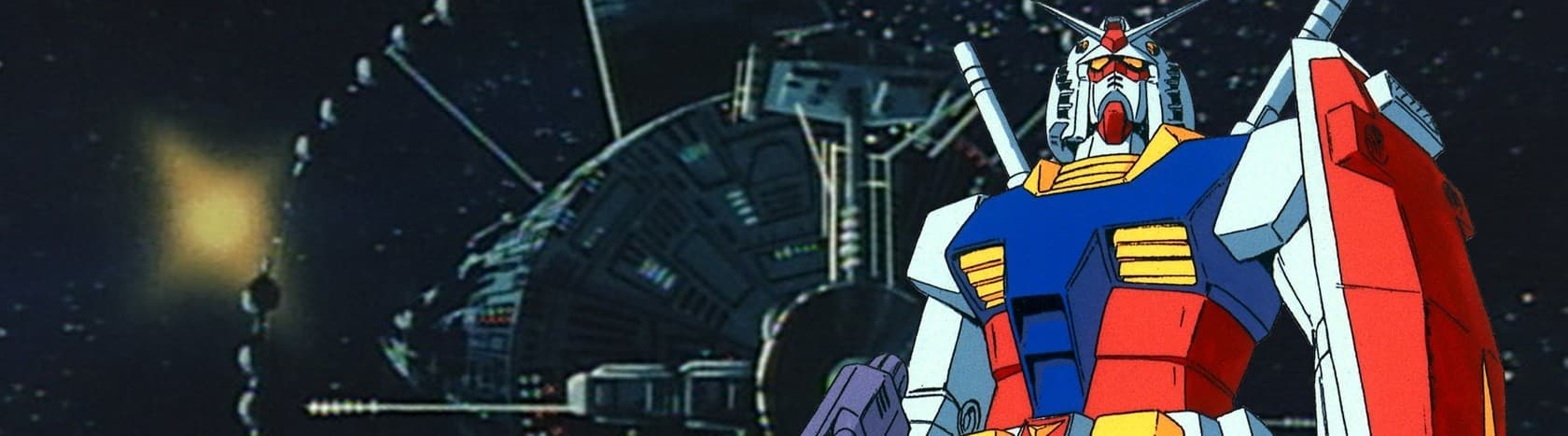
When people talk about Mobile Suit Gundam having inspired science fiction in the decades since, it's for real. This was a show that was restrained by its era and by what used to sell, but managed to send out a proper story about the realities of war anyway.
From the first episode alone the main characters, mostly civilians, are suddenly removed from their somewhat peaceful life and thrown into hell to experience death and a fiery baptism. The overwhelming grief has to be shaken off for the sake of survival, and the White Base's crew manages to perform outstandingly (which can be a double-edge sword considering the constant abuse by an overwhelmed Earth Federation in the war against the Principality of Zeon).
I can only imagine what this was like for its time, specially for the younger audiences. Debates about child soldiers, unspeakable war crimes, nationalistic dictatorships, civilians being disregarded by their own governments to wage wars, cutthroat politics, WMDs and all the gray situations where you can't really hate a character for acting the way they do given the circumstances, or what they must do to protect those they care about in a solar system hell bent on self-extinction. This show has all the right elements to make it a good sci-fi war drama, perhaps to the same level of the Re-Imagined Battlestar Galactica, but the frequent and unfortunate executive meddling over worries about the show's ratings, the demands of toy companies and its impact on youth managed to taint Yoshiyuki Tomino's vision of mechas as weapons of war.
Either way, if you're able to turn off the comedic effect some of these issues can be (that funky next-episode preview playing right after a depressing final scene, for one), you can easily see what was really intended at each episode. When it comes to sound design, it is about what you expect from a show from the late 1970's: it can be a bit silly for us nowadays, but it sure wasn't back then. The same can be said about the show's OP and ED sequences, it can grow on you after a while, but it will hardly make you take the show's serious tones seriously at first.
The aesthetics are great, specially when it comes to the depiction of the space habitats around the solar system, but it can be a real eyesore when it comes to spaceships. Tomino always insisted on the mobile suits and warships being painted in realistic militaristic colors of gray, black or white, yet had to settle with the rainbow parade of colors for the sake of toy companies. It may be really iconic for Gundam and the White Base now, but the moment you see red and purple Zeon warships that are supposed to be some of the most powerful enemy vehicles, you can only laugh.
Although some of the members of the White Base can lack in backstory and a good portion of character development (specially considering the show was supposed to have 49 episodes), you grow really fond of them and recognize them all, and you WILL be worried about losing them. And in terms of the lore, we don't get much of the political events that started the current conflict (a narrator explains the most basic points for context), but the show won't shy away from telling you about the context of some of the backstage in Zeon, or how gravity and centrifugal force works in a O'Neill cylinder. It was pretty detailed for its time, which made me really appreciate it.
Overall, it is highly enjoyable. If you can go in with the right mindset, you'll not only have fun, but you'll leave with that warm feeling of having being told a good story.
15.5 out of 16 users liked this review