

The “chunibyo” of the title basically means “8th grade syndrome;” a phase in middle school where some kids inhabit and act out their own fantasy stories, positing themselves as dark magicians, magical girls, and other wielders of magical powers.

I had avoided this for a while, until it was specifically recommended to me, because honestly, it sounds embarrassing, right? It sounds like it’s gonna be an embarrassing manic pixie dream girl scenario. But what it actually contains is the story of how a mixed bag of students–some actively chunibyo, others not–become friends and develop very endearing close relationships, while arguing and frustrating each other because that’s what friends do.
Now, the idea of being the star of what’s essentially your own fantasy-action anime is embarrassing, but what’s notable is that the show doesn’t really hold the chunibyo characters up for mockery. Sure we might laugh at them, but hey—it’s funny to watch friends be silly together. And most viewers, just like some of the characters who have moved on from their chunibyo phases, probably easily understand the mix of soul-wrenching embarrassment and (mild?) fond sentiment that comes with remembering our middle school selves.

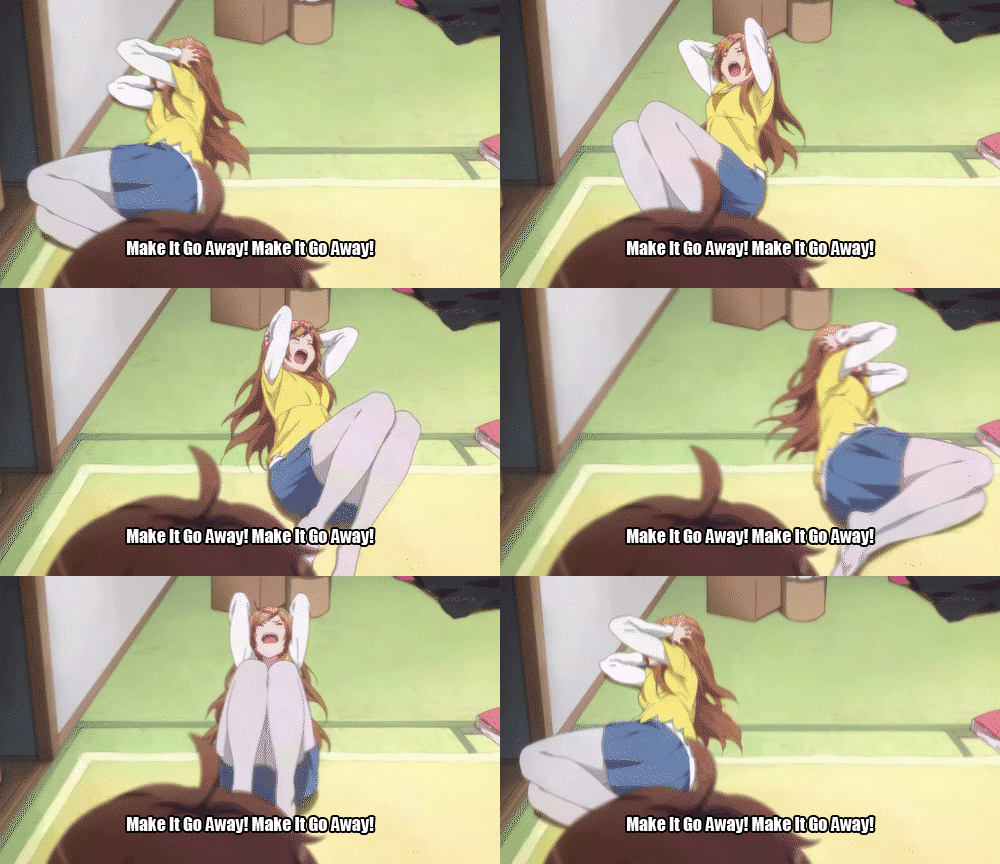
__But let’s be real: the reactions the two former chunibyo students, Yuta and Shinka have to being reminded of middle school, are _#RELATABLE___
Rikka, our title chunibyo, in particular uses her fantasy in part to cope with grief, coming from an extended family that (without getting spoilery) didn’t help a young girl to deal with a very hard and life-changing time. Now that she’s in high school, her older sister blackmails Yuta (using a voice recording of one of his chunibyo speeches) into helping deal with Rikka and things (like the cat she wants to adopt) that pop up.

One thing the show is very good at, though, is not making a single thing the reason behind a character’s chunibyo. One may have started their fantasy inspired by another person, or prompted by an event, but it’s also (while active) part of their personal narrative that influences how they spent their free time, how they see the world and keep blogs or diaries, etc.
But at the same time, they’re still teenagers, and their inner view of themselves…doesn’t always translate skills.

I said the show is primarily about friendship. A lot of that friendship is between Yuta and Rikka, but they accumulate a little group, mainly through Rikka’s attempt to start a magic club. Recruit 1: Kumin, a polite, quiet senpai with no chunibyo history or aspirations.
Kumin starts off seeming like a background character, but by the second season it’s clear she’s not just there for jokes about how she’ll take a nap anywhere. She’s perceptive, and genuinely enjoys watching the others act out their scenarios.

Compared to the other characters who are boisterous in their chunibyo activities (Rikka, Deko, Satone), or vociferously trying not to get drawn in to chunibyo activities (Yuta, Shinka), Kumin is happy to watch and offer encouragement, but she’s also willing to participate if a chunibyo scenario calls for a group.

Incidentally, the show does a really interesting thing where occasionally, we’ll be drawn “inside” the chunibyo world, seeing what Rikka/Deko/whoever see: a fantasy land, big magical weapons, anime-grade magical attacks. Occasionally we’ll also see what this “really” looks like—a couple people running around waving umbrellas at each other—but often we only get the fantasy version. It’s clear that Rikka and co. are legitimately on some level engaging in a shared imagination, and the times when a reluctant character (particularly Yuta or Shinka) willing steps in to the shared illusion are genuinely sweet.
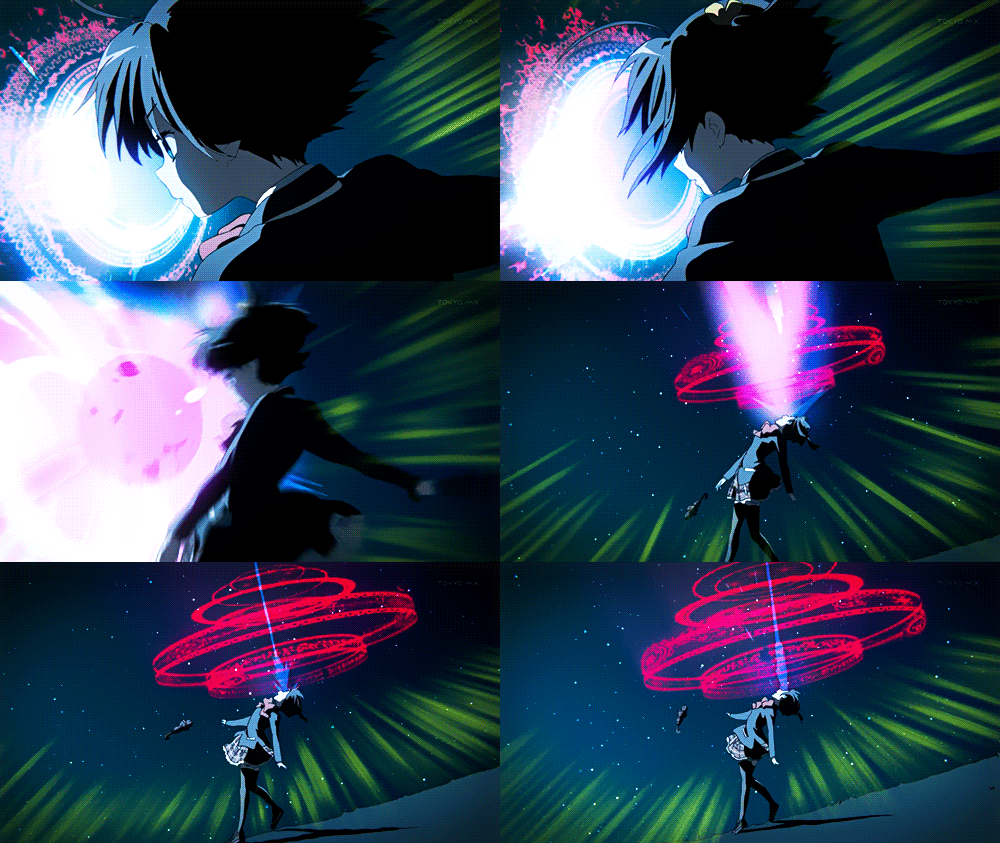
Speaking of, Shinka (aka Morisummer) became one of my favorite characters. Like Yuta, she was chunibyo (“Morisummer the magician”); like Yuta, she chose a high school where she didn’t know anyone expressly so she could reinvent herself as a normal teen. And like Yuta, she’s getting dragged kicking and screaming into chunibyo again.
It would’ve been so easy to make her a bad character. She’s pretty, puts a lot of effort into being popular and likable at school, trying to keep up a good teen girl image, despite being fairly sarcastic at her core. And as loathe as she is to admit it, she likes her friends (even if she won’t admit they’re friends, even if half of them are actively chunibyo, even if she says she’s only hanging around so she can make sure all traces of chunibyo-Morisummer are erased from the internet).
Shinka gets drawn into the group through Rikka’s apparently only pre-existing friend: Deko, a fellow chunibyo who follows Rikka (or “Eye of the Wicked Lord Shingan”) as her master, and is extremely devoted to the great magician Morisummer. So devoted, in fact, that she has several physical copies of Morisummer’s book containing all her wisdom…aka Shinka-Morisummer’s blog, which Shinka has tried to erase all trace of.

Needless to say, the two don’t seem to get along great.
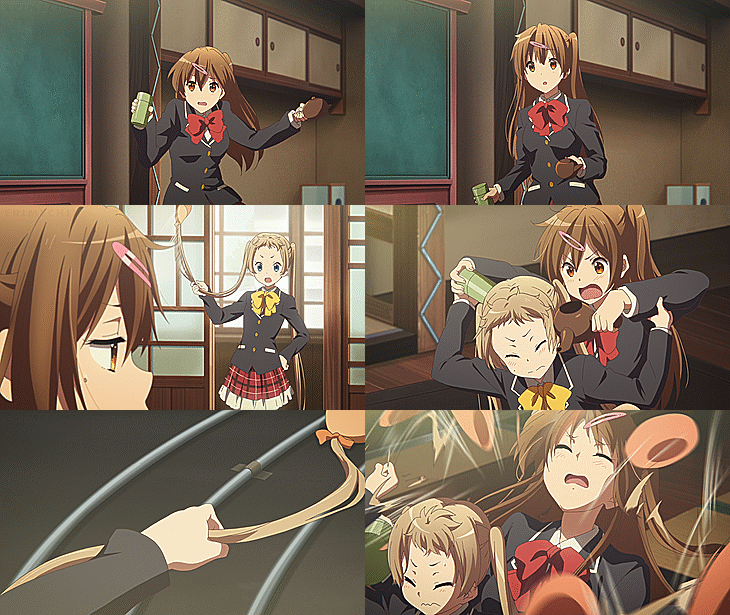
Deko’s dedication to chunibyo and Morisummer irks Shinka; Shinka’s claim to be Morisummer irks Deko, who refuses to believe the great magician could ever be this sarcastic, mundane girl. Deko’s refusal irks Shinka, bringing out the sarcasm and bluntness Shinka tries to hide from the school at large.

Obviously, they actually become close friends, but heaven help you if you actually say so.
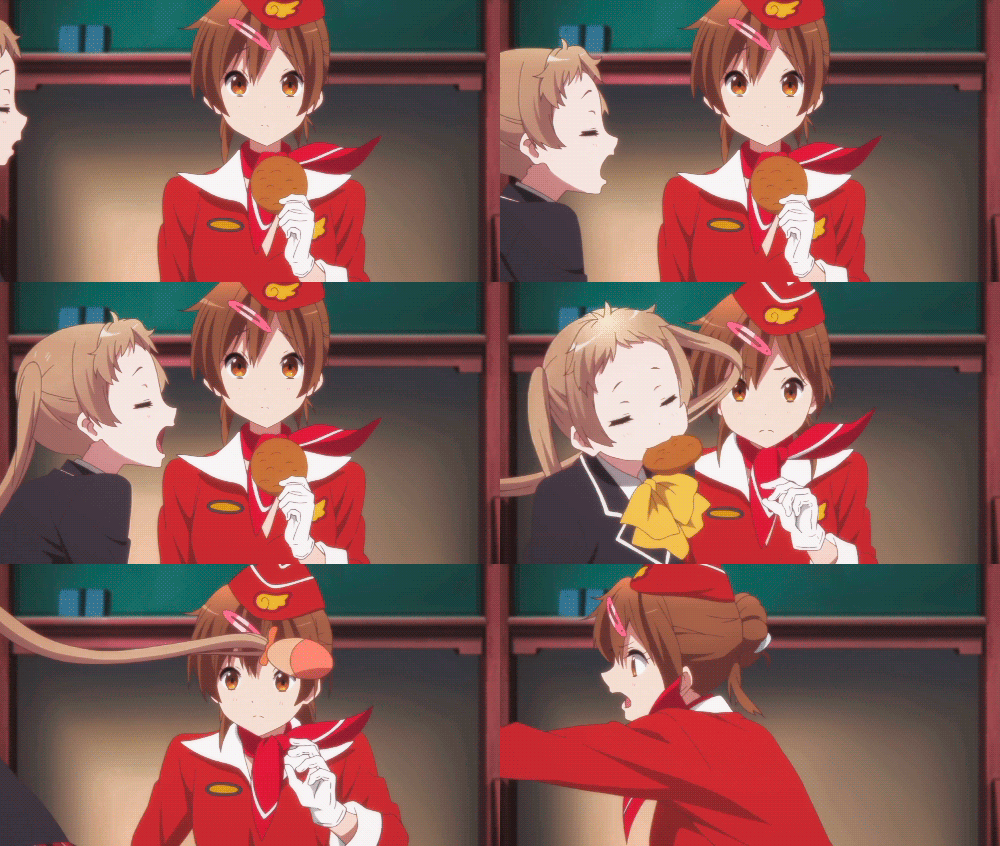
The entire series is an exploration of relationships, and Yuta’s developing closeness with Rikka (hey, we knew it was going to happen) is also sweet. He’s a genuinely likable boy, embarrassed by the vestiges of his former self he sees in Rikka, but often willing to meet her on her level, and both of them also learn/reaffirm the importance of doing things their way, and keeping both of them comfortable, rather than acting a certain way or performing specific acts just because their classmates think their relationship status mandates it.
Speaking of classmates—and I know this is getting long but I CAN’T HELP IT, I LIKED SO MANY ASPECTS OF THIS SERIES—the characters aren’t ridiculed at school. Sure, some people think they’re weird, but there’s no shunning, no arc involving teasing or bullies. Rikka’s often content as a loner, but when she attempts to join in a social circle, she’s welcomed. Shinka’s obsessed with reinventing herself and appearing normal and seems to think that otherwise she’ll be cast out, but multiple characters mention that others at the school notice how she behaves (oddly, on occasion) and there are no social repercussions. Truly nice for a show that has characters spending quite a lot of time in school.

Verdict
English dub? Yes, and it’s got strong performances. Rikka’s voice actor in particular does a fantastic job capturing the difference between chunibyo!Rikka’s confidence and command, and regular!Rikka’s, well, normal awkward teenageness. (Plus, I also found her lower-than-animegirl-average voice enjoyable.) (Double plus, I honestly think her English voice is better than her original Japanese voice at showing the difference between her emotions and chunibyo/reality.) Deko’s VA is fantastic showing the enthusiasm of the 9th grader (and what enthusiasm, Deko is like the Energizer Bunny), and Shinka’s VA manages to show her alternating annoyance, cheerfully sweet ideal self, and organized leader voices.
Visuals: Fine, and I really liked the chunibyo designs for each character’s chunibyo phase. The contrast between chunibyo-vision (giant magic weapons; mysterious lights, fantasy landscapes) and reality (an umbrella or soup ladle; a strip of lights taped to the floor; a local park) was really well done.
Worth watching? Yessss. It’s very manageable—two 12-episode seasons—and while each season contains its own arc (you could stop after the first one, but why), together they make an excellent story. Heck, I think the second season is equal to, if not better than, the first, because the friend group is well-established and even more fun to watch.