
The original Tale of the Heike (平家物語, Heike Monogatari) is a Japanese literary epic detailing the fall of the Taira clan (aka the "Heike" family) in the Genpei War. It's basically Japan's version of something not unlike the Iliad, Odyssey, or Epic of Gilgamesh. Different people throughout the story rise and fall through the last generation of the clan, and central characters in the story switch from one to another. The concept of this adaptation caught my interest, and I was more surprised to hear that it was being directed by Naoko Yamada, best known for directing KyoAni productions such as K-ON! or A Silent Voice.
From the get-go, however, I noticed that something about this adaptation was off. Everything that is wrong about this adaptation is present from the very first episode, it doesn't really sink in until a couple episodes later, but eventually you start to realise the show kind of just expects you to know the story already. This is the show's biggest cardinal sin, and most of the show's problems derive from this: the pacing is completely rushed. Being an adaptation of a historical epic, character death surrounds Heike Monogatari, but because of the pacing, new characters are introduced quickly just fully expecting you to know them, before they are killed off an episode or two later. Political intrigue is quickly spat through before being dropped, random parts of the story are sped through while others are slowed down, etc.
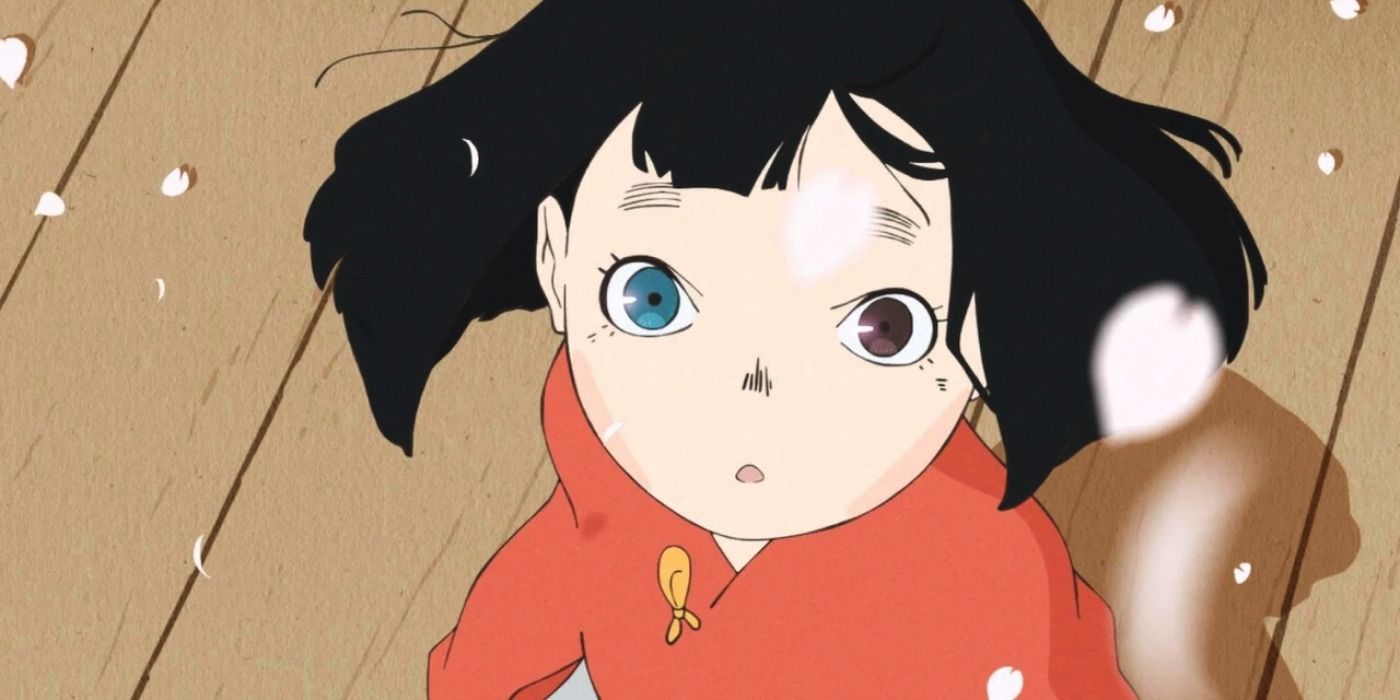
To counter this, the show's sole addition of note, Biwa (she is not in the original story), is meant as a permanent point-of-view character, one who remains throughout the entire narrative to make it different and stand out, but instead, really damages it. To add a twist on the story, Biwa can see the future, and pretty much everything that happens to every single character. From the get-go, because of this, we are shown exactly who dies, so there is next to no tension present at all. While this might have been an attempt at a reliable anchor throughout the story
Spoiler, click to view
(midway through, there are hardly any characters present at the beginning of the story who are still alive, or relevant anymore)Spoiler, click to view
she actually goes out of her way to save Taira no Tokuko from her fate. This still doesn't change the narrative as she lives in the original story as well, but it still makes you think "Why just her?"
Because of Biwa being front and center, you can expect moe-like scenes with Biwa playing with a cat while the actual characters progress the story in the corner of the screen. It's like it's trying to be Yamada-moe, but it's completely out of place in an adaptation of a historical epic. A lot of Yamada-isms like that are in here, and they just don't fit at all. KyoAni's flashy lens flare and artsy background panning is still bizarrely here and it's extremely out of place, since Science SARU's animation is very, very minimal. It's not like their other shows at all, it feels almost low-budget. There's nothing really wrong with the animation when it's functioning, but there's nothing great - there are a lot of stills where there really shouldn't have been. A crucial fight scene in the latter half of the show is reduced to a slideshow. Another is the equivalent of a panning image. It's really strange. This type of show really isn't Yamada's.
The music is also bizarre. The OP both visually and audibly makes you think you're watching a slice of life anime, with everyone laughing and being friends, with Biwa being all cutesy. The clash between the OP's style and the actual show feels almost funny in later episodes. The backing soundtrack also does not fit a show like this whatever, with some scenes having Ushio Kensuke's modern guitar or synthesizer present in the background delivering a harsh beat. It's offputting and out of place, and I guess it doesn't really make sense to have the composer of Devilman: Crybaby's soundtrack here as much as I loved how that OST sounded. It's like he was called to fulfill a contract. Mushishi was an example of an anime soundtrack that fully immerses you in the traditional Japanese setting, but here you get electro-industrial at points. Do admit I like the ED though.
The show also doesn't adapt the whole story, which makes me wonder why there are so many scenes of Biwa pondering obvious things. Some important details of the main story that is adapted are completely skipped or dismissed off screen - some battles are missing, most of chapter 10 is completely missing, the story's climax, chapter 11, only goes as far as the end of the Battle of Dan-no-ura (loosely using content from The Initiates' Book to end the show), and the story's real end, chapter 12, is completely missing too.
This show is the kind of show that just exists. It's like a weird vacuum. I learned far more about the story from reading Wikipedia articles, and enjoyed reading passages of the actual story far more than actually watching this (because of the script and pacing). Heike Monogatari feels like I just inhaled 11 episodes of nothing.