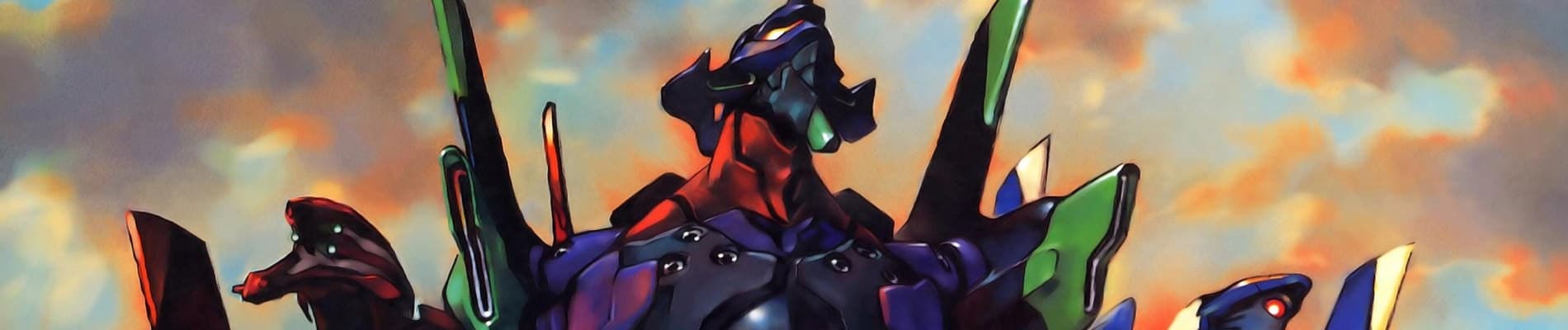
The basic plot of Neon Genesis Evangelion tells of a 14-year-old boy named Shinji who is summoned to NERV, an organization tasked with defending humanity from extinction, by his estranged, cold, and calculating father. When he meets his father for the first time, his father's first words are orders to pilot a large robot machine named Evangelion and fight the monsters that attack Tokyo-3, the city where NERV is headquartered. The monsters are referred to as Angels and seem to be invincible. Traditional weaponry alone, even in the 2010s, had minimal effect. Only using the Eva, which a selected 14-year-old kid can steer, can stop it. It is just the basic premise and beginning of the series. As time went on, things got a lot more complicated. There are tons of twists and turns, suspense, and mystery in the plot, all of which routinely excitingly stir the audience's minds.
The character becomes an important point because the series is more about the character than about Angel or NERV. Shinji Ikari is one of the most believable and genuinely sympathetic characters in anime. Although audiences will complain that Shinji is so annoying and emotional, no one wants Shinji to be a hero character in his story and save the day with a smile. No human-like thing could really exist, and studio Gainax understands character development and applies it flawlessly to the series. Shinji's mental struggles are handled effectively by Hideaki Anno through the use of complex monologues and avant-garde or experimental cinematic techniques that are largely successful. Asuka and Rei, the other chosen children, are opposite and clever characters. Both thrive in exciting ways throughout the series, and the exploration and growth of the characters are at the heart of the series.
The design aspect is unique, whereas Neon Genesis Evangelion itself is very colorful. Angel is eye-catching and memorable with its many towers towering over the Tokyo-3 skyscraper. Angels appear in various forms. One Angel took the form of a giant; one Angel was diamond blue, while another Angel was too small to be seen at a distance, crippling NERV's computer system. It helps Eva avoid repeating clichéd formats and keeps the action aspects of the series consistently fresh and enjoyable. With many references to religiosity in the series, despite widespread criticism, it might be one that symbolism is never obnoxious and always visually evocative. It is to be remembered that the references are usually a little shallow, but they make the audience sit down to pay attention to the deeper meaning of the whole from start to finish. The visuals regularly dazzle every scene from the series with sharp animations, and it stays with the audience forever. The usual provocative images are often surprising and sometimes stunning. Rei is depicted paralyzed, scene-specific, grounded, and covered in bandages, providing the first real shock of the series. Such a depiction contrasts with the visual gags that are present throughout the episode as well.
The music is impressive, being a master at setting the right mood and pitch, using inspirational trumpets in highlighting Asuka and Shinji's success in battle. The reflective tone is nuanced in conveying Rei's character. The opening song entitled A Cruel Angel's Thesis by Yoko Takahashi and the ending song from various revisions of Fly Me to the Moon has become one of the favorites of many people of all time, so the audience will not get tired of hearing both throughout the series. The last two episodes are controversial, at least more controversial than the rest of the series, because they are the culmination of Eva's experiments. Although many would call the original ending terrible, it is a very unsatisfactory part of the ending. However, the release of the following film titled The End of Evangelion fixes the story's resolution with aplomb. The film essentially tells what happened in the last two episodes and lives up to the celestial standards set in the series. It is beyond expectations and divides the community into two camps.
In closing, Neon Genesis Evangelion is one of the most muscular anime ever produced. Overall the series deserves iconic status, quickly being one of the best TV series ever. Each episode is nothing less than a masterpiece and a great joy to watch. It uses strong characters, a deep story, and art that is just starting to show its age. What makes the longevity of the series even more potent is that there are even so many theses, journals, and pages of analysis and fan theory of its own where people will continue to analyze the series to find out everything about the series. The series will live on in the hearts of its fans, continue to cherish its deep symbolic story, and remain a destination that fans will love for all ages.
62 out of 70 users liked this review