"Show that you can stop the women that you sneer at. Show that you can defend the castle built on the tears of those women. Since you’ve forgotten about them, we’ll have to remind you! These women have come to topple a country."
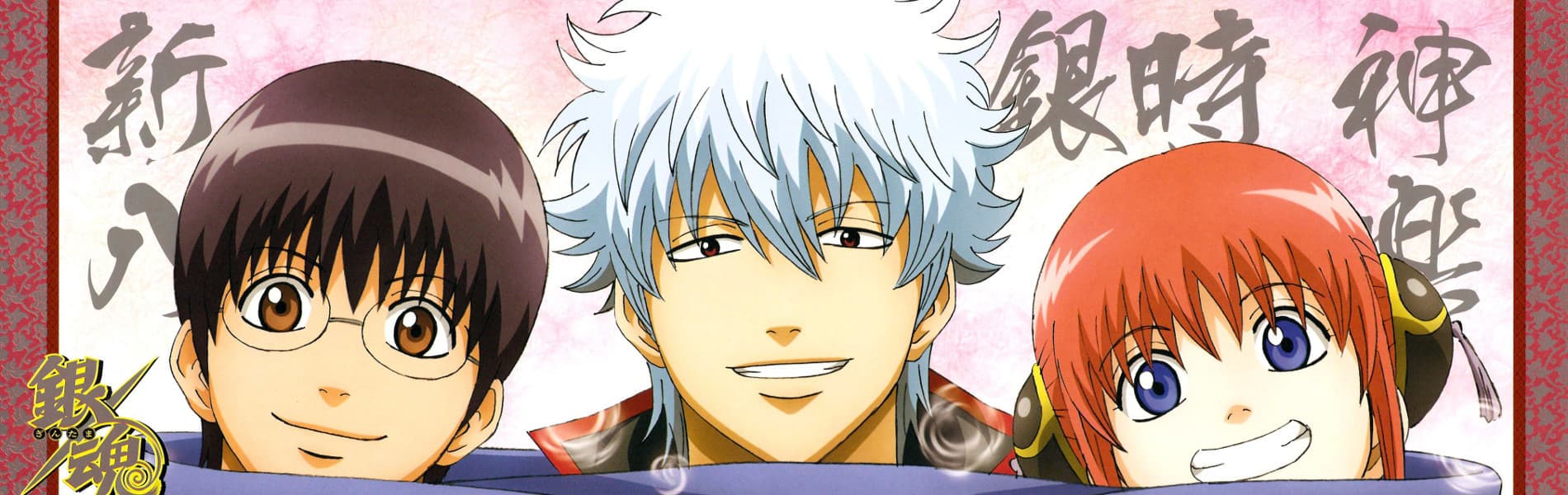
Gintama’: Enchōsen is a series that shows just how much can be accomplished in a short space of time. Continuing to build on the foundations of the previous series, Enchōsen draws the audience into a small handful of arcs that offer a deeper exploration of not only the political elements of Gintama’s world but also how characters exist within them. There is a noticeable tonal shift within these thirteen episodes, yet the soul of Gintama remains strong. There is such a clarity of vision within Enchōsen that it really highlights what makes Gintama a unique series.
Separating the series into three arcs and a one-shot story works really well; allowing it to focus on each story. This means that the more random structure of the first two seasons is missing but the characters supply more than enough chaos to make up for it. Enchōsen also feels deeply connected to both the preceding series as well Gintama° which makes the evolution from Gintama’ feel natural. The creativity shown by the staff, utilising the break for narrative reasons, heightens the comedic impact of its first arc. It demonstrates the ability to take the manga’s concepts and apply them to different media; something that a lot of manga adaptations tend to neglect.
The pacing of Enchōsen is also an incredible feat. Thirteen episode series often straddle the awkward line of having too many episodes to tell a simple story or having too little of a timeframe to fit in a complex story. In Gintama’s case, the thirteen episodes are utilised to their fullest. A part of this comes from the anime staff being willing to completely commit to an idea and to push it as far as they can.
Each arc feels complete, managing to reach satisfying conclusions while leaving enough behind that they interweave with the rest of Gintama. The first arc highlights the importance of the cast; giving the audience a clear message about what it means to exist within this world of self-referential hijinks and genre-bending plots. The second looks to the previously neglected political elements, tying in with Gintoki’s obscure past and the corruption rife throughout the bakufu. The final arc looks more towards the Yorozuya, specifically Shinpachi who often finds himself being overshadowed by the flashier characters; giving him space to shine a little brighter. It is fitting that the last episode centres on Sadaharu, moving away from the larger scope of the previous stories to look at the emotional heart that makes Gintama special to so many. There is something comforting in watching the cast support each other through thick and thin, even when they are their usual imperfect selves.
Managing to balance the comedy, drama and action is a skill that Gintama: Enchōsen effortlessly utilises to create an engaging series that is only an asset to the wider series. All of the improvements made during the course of Gintama’ remain, with further advancements being made in the animation and, as always, the music remains brilliant at encapsulating the tone. For how diverse the series is, the soundtrack is excellent at keeping up and heightening the mood.
The cast also really shines during this series with some of the newer additions getting a chance to develop while still retaining an air of mystery to them. The audience is always kept on their toes, with even some of the regular cast showing new sides to them. This means that interactions between the new and old characters feel natural and the development feels earned. For example, the brief interactions between Nobume and Tsukuyo are measured; never forgetting their personalities when they work together.
Gintama’: Enchōsen stands out from the previous Gintama’ series due to the absence of comedy centric episodes that are usually placed between arcs; acting as a reprieve from the more intense moments. This changes Gintama as a viewing experience but, due to Sorachi and the anime staff’s ability to mix humour into the more serious moment, Echōsen is definitely not short on laughs. It does, however, make the audience appreciate these comedic moments when they make their return in Gintama°.
Overall, this series continues to work on the foundations established and shows that Gintama is a series that is confident in its formula while being willing to shake things up. Gintama’: Enchōsen is a must-watch for anyone who has enjoyed the previous seasons that Gintama has offered.
43.5 out of 46 users liked this review