Innocent Rouge
a review by mudk1p

mudk1p
4 years ago·Jan 31, 2022
90
/ 100
a review by mudk1p
4 years ago·Jan 31, 2022
First of all, you can read Innocent Rouge without reading the prequel, Innocent. Although the series doesn't give much of a recap, the introductory setting is still strong enough to give you context for what you're in for. And it is a LOT.
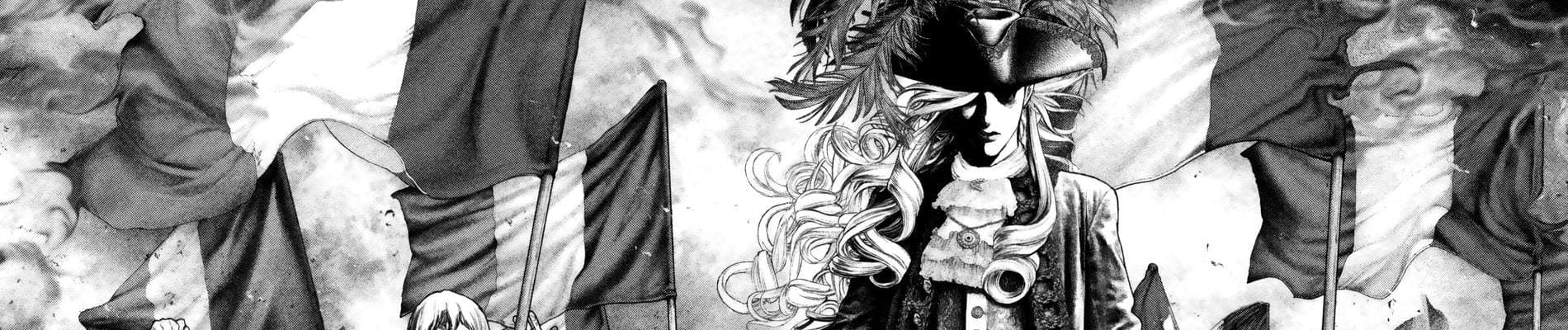
The series centers around the protagonist, Marie-Joseph, who is a walking metaphor for everything the French revolution stood for; women's rights, freedom, brutality, abolishment and the ever-grounded rebellions. She right away is introduced as arrogant, self-serving, determined, selfish and nothing like the readers' would usually like to see in the main character, especially if we have to see things from her perspective. In another commenter's words, "I hate her and how she exacts her corrupt sense of justice, yet I still find myself rooting for her and waiting for her to come save the day." She isn't made to be likeable, and Sakamoto perfectly writes her as what she is meant to be - unapologetically herself, to the point where even the audience can't match up to her and her brutal ways.
The gore in the series is extreme, graphic and realistic, but it all makes sense. Not once did I feel like the obscene things being shown were just for shock purposes, they all were there for a reason, and they were all rightfully gut-wrenching. Many times, I was scared to turn the page and see what would become of a character, who even if they did some heinous crime, I still did not want to see how they would be punished to death for it.
It's definitely not for the faint-hearted, it shows rape, torture, disembowelment - whatever fucked up torture method you think of - in super graphic detail that it makes you squirm and even physically flinch at times and that's exactly how you should react to seeing someone get executed, get reasonably or unreasonably tortured - it's not supposed to make you curious and intrigued, it's supposed to make you feel confused and disgusted with how low humanity can stoop. That's the reality of these things.
Throughout the story, Sakamoto uses metaphors in such intricate ways that you would never have imagined before, and the best thing of all is the satire. One time you would see someone get executed in the most grotesque way, then the next you would see a sick, dying aristocrat saying "Adieu, boobies."
Everything has a butterfly effect, everything that happens has a purpose, even the smallest plot points. Not once did it divert from its actual storyline, as everything gets stitched together in some way.
It's so thought-provoking I had to actually lay down and just think after I'd finished the series. I couldn't tell if I was absolutely crushed by it like how Punpun made me depressed for a week or just... enlightened in some way.
Overall, the few points of criticism I would probably give is how some plot points never got solved or shown again.
I feel like this series can't really be re-read, the feeling you get when you first read it can't be attained again.
6.5 out of 7 users liked this review