Good sequels are hard to come across, and often times they don’t often live up to the expectations of the original, whether it’s because it feels too similar, or making it so bad that it heavily tarnishes the image the original had due to thoughtless planning.
So in that respect, how does one define a good sequel? A good sequel continues the story but in a new meaningful way, by expanding more than what the original offered. Introducing new characters, settings, and conflicts are generally what sequels tend to do, but a good sequel also adds another layer to their storytelling by introducing new themes and/or expanding on older themes, to give the story a much more nuanced look. Finally, the sequel has to leave a positive impact on the franchise, because that’s what makes a good series worth the time investing towards.
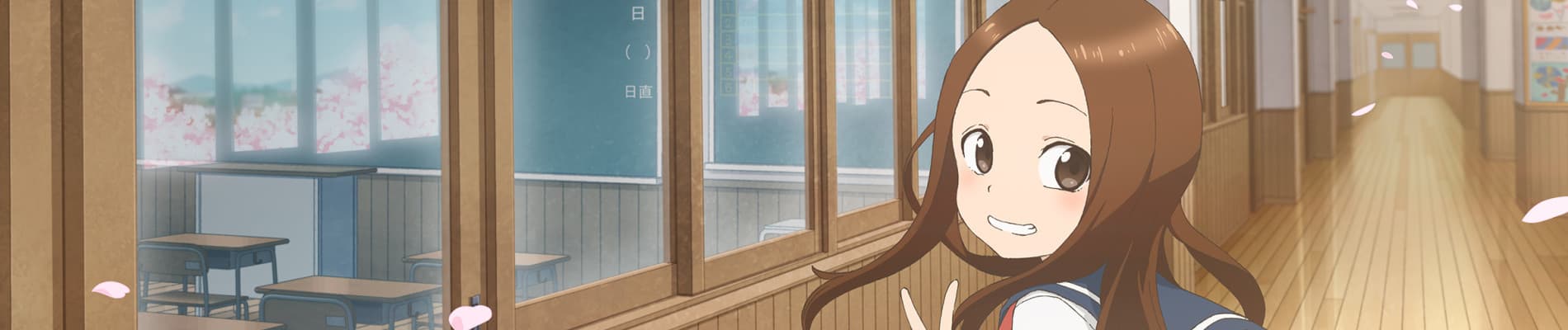
Takagi-San Season 2 manages to hit the marks on how a good sequel should be perceived, and this review will mainly focus on how it manages to improve over the first season.
Expanding the Setting:
Season 2 introduces 2 new characters to the series being Houjou and Hamaguchi. In terms of importance, we do see they have some sort of chemistry going on, so it’s refreshing to see another couple on the screen that’s not Takagi and Nishikata or Nakai and Mano. There’s more interactions with the side characters, and Season 2 manages to naturally integrate them into the storyline, making it feel more lifelike and dynamic. There’s also new locations in Season 2 that weren’t present in Season 1, some of which are seen as important when it comes to certain moments in the series, but I will not spoil them here. The art and animation also received an upgrade as it manages to become more expressive with its use of body language, which is a great way of showcasing non verbal communication. The soundtrack of the series retains the multiple ending songs (having 8) and an insert song that left a lasting impression.
Continuing The Story:
Season 2 at first glance may seem like it’s largely the same as the first season. Nishikata attempting to tease Takagi, but failing in the process, and the occasional B-trio plot segments. However, Season 2 continues the story by giving a more cohesive storyline that focuses on the natural progression of Takagi and Nishikata’s relationship that’s continued from Season 1 and how it’s developed in Season 2.
The first thing Season 2 does is shifting the focus of genres. Season 1 focused on the comedy/SOL aspect where Takagi and Nishikata are in the starting stages of establishing a relationship. In Season 2, the romance becomes the main focus, as the audience is already familiarized with their relationship, so the story starts focusing on closing the distance between the two characters. The romance becomes much more apparent, which leads to not only story and character progression, but it makes the dynamic feel more engaging as there are moments here that significantly change the way the two perceive each other.
Another thing Season 2 does that’s an improvement, is integrating the B-trio plots to the main story plots. One of the criticisms most people have with the series, is that the B-trio plots don’t really serve anything to move the plot forward, and are often disregarded as filler that could of been used to develop Takagi and Nishikata’s relationship. Even though some of those plot lines still occur in Season 2, there are times where the B-trio are directly involved with the main plots, which makes them much more engaging characters as we get a third person perspective on Takagi and Nishikata’s relationship. Other characters such as Kimura, Takao, Mano, Nakai, Houjou, and Hamaguchi also start to become aware of their relationship, and become directly involved in pushing Takagi and Nishikata to do certain actions and reevaluate their way of thinking.
Finally, Season 2’s biggest factor when it comes to continuing the story, is the addition of anime original content. To an anime only, they might not notice this, but to a source material viewer, this is huge. With most animes, they tend to follow the source material, occasionally making a few rearrangements to fit the story into one normal length episode/season. However, the Takagi manga doesn’t follow an overarching storyline, and most of its chapters are relatively standalone since they have little to no continuity between them. This gives the anime much more leeway of choosing which chapters to adapt, making a few rearrangements such as adding continuity, to give the story an overarching feel. This is different to when an anime adapts a source material with an overarching storyline, as cutting certain chapters or dialogue can make important scenes feel less meaningful when there is missing context. In Takagi’s case, the anime and manga feel like a separate experience, rather than a faithful adaptation. If one were to ask where they can continue reading the Takagi manga after watching the anime, the best recommendation is to read the manga from the beginning.
Season 1 has a couple of anime original moments to give certain scenes extra fluff. However, Season 2 takes it a step further by giving anime original segments/episodes that weren’t present in the manga, which significantly impact the direction the anime takes with its story. It gives a chance for the anime to explore more of Takagi and Nishikata’s relationship as situations and interactions have more creative freedom. Without spoiling too many major plot details, just know that having anime original content present here, is the season’s biggest strength when it comes to continuing the story in new, meaningful ways.
Expanding on the Themes of Season 1:
In most romance stories, the common theme that’s often explored in relationships is status quo. The questions that are often posed when it comes to this characteristic goes as follows:
In Season 1, Nishikata considers Takagi his rival at first, where his main goal is to manage a successful teasing attempt/comeback at her. For Takagi, it’s shown she has a liking towards Nishikata, but doesn’t often show any emotional vulnerability towards him. As the season progresses, Nishikata starts to become subconsciously aware of his feelings for Takagi, and Takagi manages to show a glimpse of emotional vulnerability whenever she’s around Nishikata. For a Season 1 plot line, this is a good way for the audience to be familiarized with their relationship.
In Season 2, the two have become comfortable with each other, but their perception towards one another starts to slowly change. Takagi becomes bolder and more daring to how she teases Nishikata, leaving him in a state where he is either in clear acknowledgment or extreme denial. Her emotional vulnerability becomes more apparent, yet still subtle, as it gives the Nishikata and the audience an idea on how she views their current status quo, which is shown more evidently in the season’s major arc in the second half. Nishikata on the other hand, starts to become more consciously aware of his feelings, which in turn affect the decisions he makes, as well to how Takagi reacts to them. While he is still focused on trying to tease Takagi, the actions he does here in Season 2, and later in Season 3, start to show he does genuinely value his relationship with her, and would even go as to sacrificing a win in order to make himself and Takagi happy. Again, without spoiling major details, the development and progression between the two in this season is well paced. It manages to keep a balance between maintaining the status quo, but not straying too far in giving too much progression or not building off/regressing the development the first season laid out.
Leaving a Positive Impact on the Franchise:
Season 2's finale left a surprising impression within the community, so much so that it is one of the few animes (that isn't a popular shounen) that is able to continue their story through a third season, as well as a movie on top of it. Most animes don't get the luxury of continuing their story after their second season, let alone their first, so to see Takagi receiving this rare treatment, shows how much Season 2 left a considerable impact, opening its doors for Season 3/Movie to carry out the natural progression and themes of Season 2's narrative to eventually conclude this journey of a relationship.
Conclusion:
Takagi-San Season 2 is an example of how a good sequel should be perceived. It managed to continue the narrative and themes Season 1 laid out, and improving upon those qualities by expanding more than what the 1st season offered. If you enjoyed Season 1, the sequel seasons are definitely worth the watch.
40.5 out of 47 users liked this review