
Akira
a review by HeroinFather0
a review by HeroinFather0
Akira, a philosophical insight into one of the most interesting movies
Spoilers
Set in a futuristic and corrupted city, in which its dominating authorities and technology's advancement directly influences all of the citizen's lives, Akira is in itself one of the most influential and enjoyable movies today due to its artistically pleasing design and important message regarding human condition and the usage of power in one's life. Having said that, Akira is not only a classic, but also a work of art full of philosophical aspects that sheds light on how one should properly live its life.

According to Nietzsche's thesis on will, humans possess a common desire for power as a way to satisfy their ambitions and reach their goals. In Akira, Tetsuo Shima, a seemingly passive and normal delinquent, gains the power of telekinesis that he tragically uses in order to surpass his weaknesses such as: always being saved by his friends, being passed around in his childhood and lacking a place that could be called "home". Tetsuo slowly acquires more destructive power, thus getting closer to the essence of all humans "Akira", the absolute energy that lies in everything existing in the universe, be it a fast motorcycle, a plant, or a person's self. As a result, Tetsuo's journey is clearly one of self-destruction as he ends up both killing his friends, losing his morality for reaching his goal, and being transformed in energy in the end. Ironically, Tetsuo's desire to become special, someone powerful who could stand up for himself, ended up being simply an energy among other similar elements in the universe, an insignificant existence that portrays the absurdity of reality as well as humans' powerlessness in the world. Moreover, in Akira humans are also responsible for the tragic outcome, thus the army's scientists played a significant role in Tetsuo destroying the city as they tried to control the absolute power with their technology.
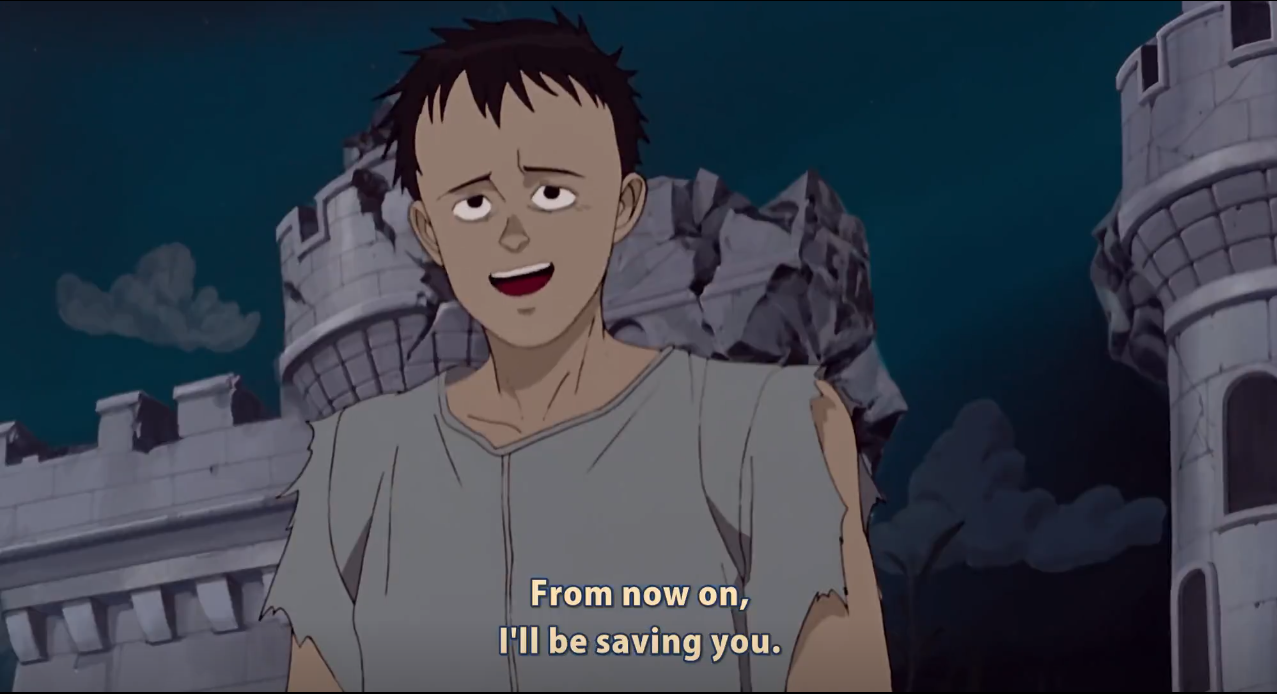
Essence precedes existence. In Akira, the power that Tetsuo slowly acquired is stated to exist in every individual up to some extent, the only difference being in the way each of us decides to use it. One of the important messages in the movies is being responsible for one's own strength, which is illustrated by Tetsuo's tragic downfall, as opposed to Kaneda surviving the final destruction and living afterward. Kaneda used the power existing in him to deal with his own friend's insanity, evolving into a better version of himself through courage and responsibility. On the contrary, Tetsuo tried to abuse his telekinesis and deny his weak personality, resulting in his death. The movie portrays human condition, each of us has a desire to become better, reject suffering, and essentially find peace in different ways. However, there are aspects such as one's own mind and hidden traumas that corrupts the soul, thus it's up to the individual to live their life. This choice presented is similar to Sartre's view that Existence precedes essence, that humans have the ability to create their own future. While it's difficult to argue all of Sartre's work in Akira because it contradicts the aspect of human nature existing in the characters, his freedom of choice is still applicable to Tetsuo and Kaneda's dynamic of using power in different ways, shaping their future differently.

Escapism in Akira. Tetsuo decided to destroy everything, thus running away from his background of being the weakest of the group, trying to escape from his suffering by abusing his power. Ironically, He returns back to his state and is in his weakest form despite having acquired the absolute power. This is represented by him screaming for help, finally accepting and even stating his powerlessness. In the end, Tetsuo only returned to the universe, portraying human's inability to oppose it.
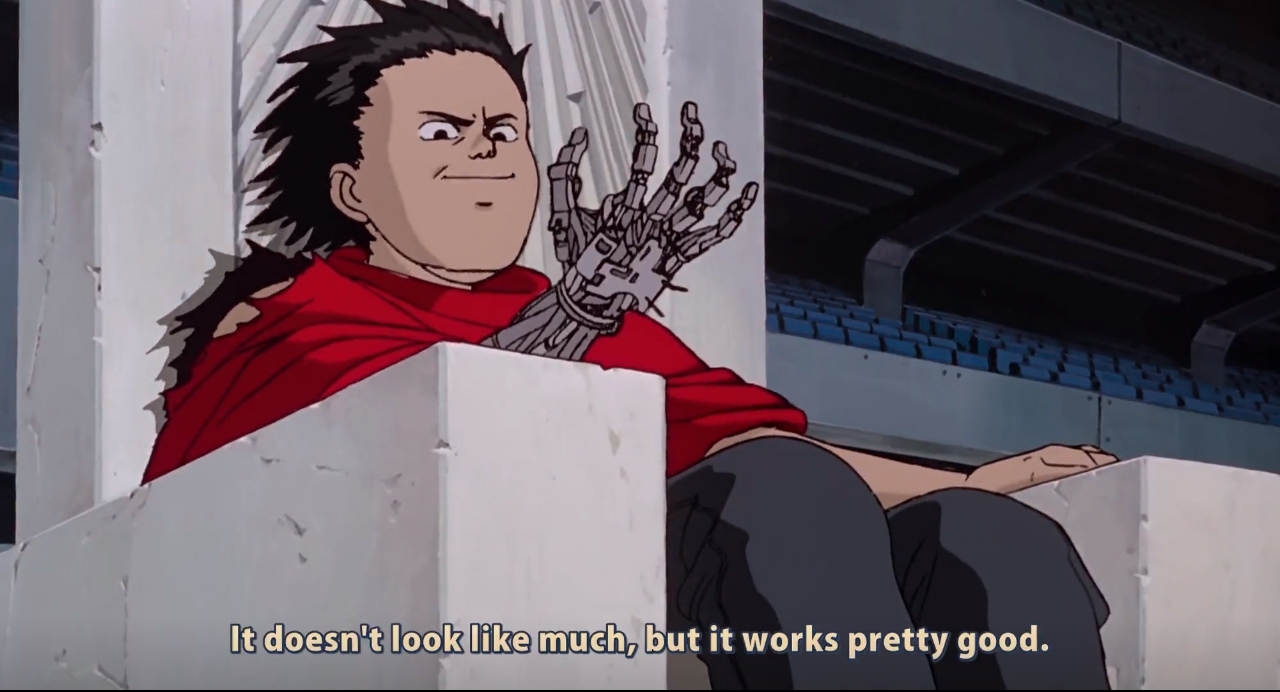
Additionally, a visible approach in Akira is Anti-authoritarianism, as throughout the movie numerous terrorist attacks are portrayed, while many citizens follow "Akira" in order to gain a sense of freedom that wouldn't be possible in a society dictated by the government and controlled by technology. However, is revolting against the already built society a valid alternative? Most of the rebels were killed either by the authorities or Tetsuo's powers, bringing self-destruction to themselves. Similarly, is Tetsuo free because he acquired the power to reach his goals and satisfy his darkest desires? If so, why would he regret trapping his girlfriend in his uncontrollable body? The method of throwing away your own suffering on others portrayed by Tetsuo clearly hasn't served him any good in terms of wholeness and dealing with the pain directly, which implies that sometimes one just has to accept their environment and try to coexist with their suffering.

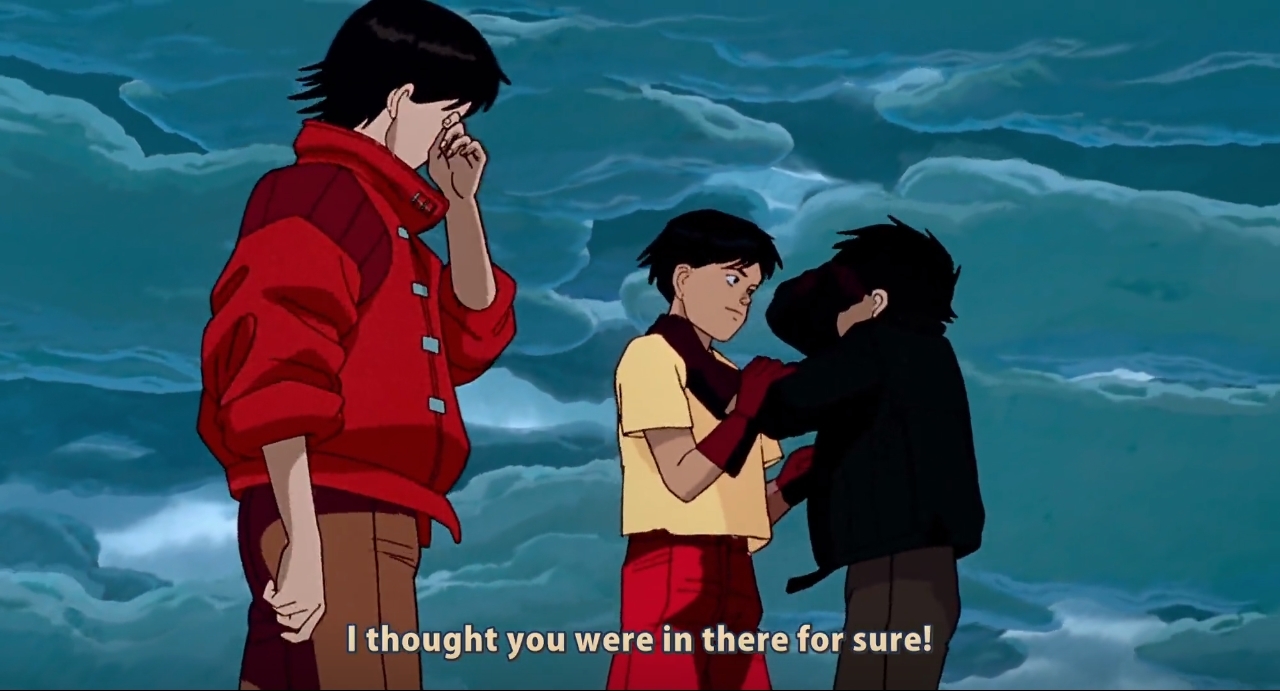
This further raises the following question: Should we blame the power or rather the user that abused it? Was Tetsuo corrupted by the strange power or was his mind's desire to exceed his condition and reject suffering in life that changed his perception of reality and morality? As we know, Tetsuo always struggled with his inability to be strong, thus the power acquired is only a catalyst, a method to express his hidden feelings of despair and self-hatred. According to Jung, that is called the "Shadow", consisting of every feeling that we suppress in life and deny. These emotions are creating our subconscious mind, dictating some of our actions and beliefs. One of the methods of dealing with the shadow is reaching spiritual wholeness, self-realization, dealing with one's deepest thoughts instead of running away from them, as it only strengthens them otherwise. " I didn't know I had this power in me", Tetsuo realizes his power at some point, but does nothing to question his own inner struggles and rather imposes them on the world. He is a tragic example of how one shouldn't deal with his problems, as running away doesn't solve anything in the end. On the contrary, Kaneda is the perfect example in this regard, as he is seen laughing after almost being killed by Tetsuo's attacks, able to make jokes even after something tragic happened. Moreover, Kaneda protected his delinquent friends and Kei from the government, he even had the ambition and sense of responsibility to deal with Tetsuo personally. Kaneda's journey portrays how one is in control of his perception of reality, humans are able to see life differently, but also to their advantage, and it's the individual's problem how he sees it. In conclusion, Akira's most important message is that it's not the problems you're facing in life, but how you deal with them.
27 out of 28 users liked this review
