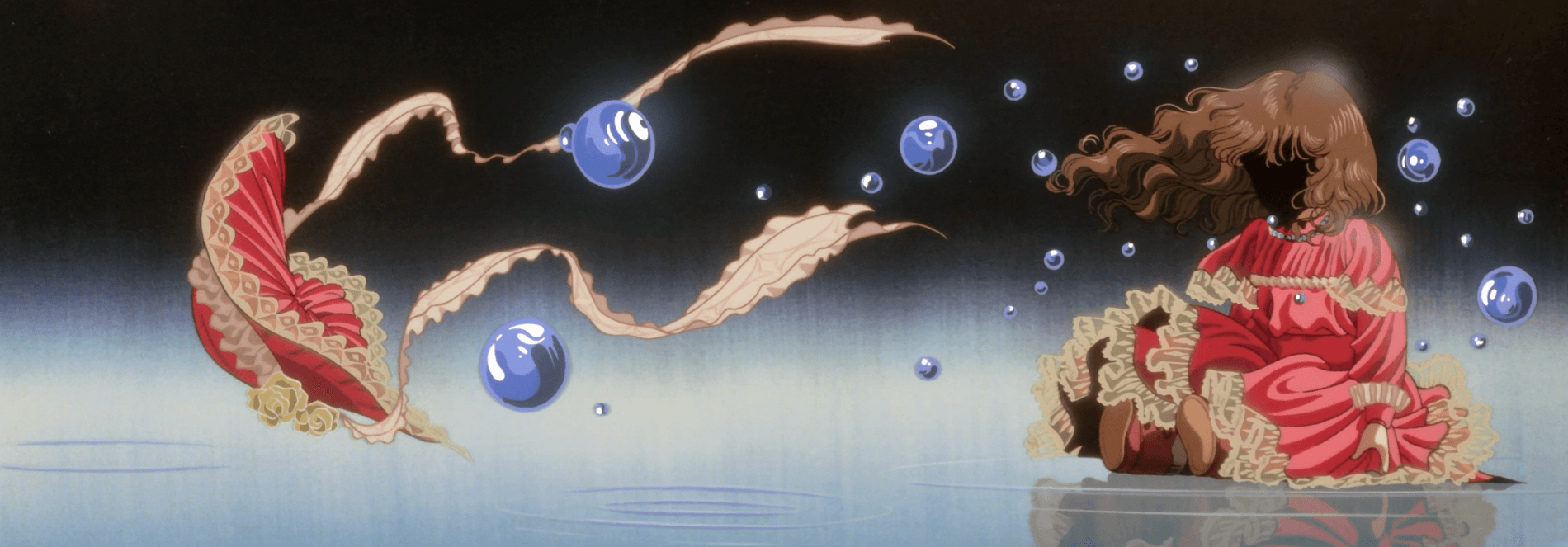
Dear Brother
a review by GeneralMills
a review by GeneralMills
This review contains mild thematically contextual spoilers, but reveals no major plot points.

There is a certain romanticism I have for coming-of-age stories that tickle an innate desire to unpack and analyze my own experiences through media entertainment. Perhaps it's because the concept of maturity still feels elusive and grand, even as I wax poetic into adulthood. I’d like to think that I’ve grown quite a bit as a person since my harrowing days of adolescence, but I am always searching for the things I may have overlooked or misunderstood as I cross the various junctures of adulthood. Dear Brother offers something that I am always on the hunt to uncover: a perspective different from my own with transcendental ideas to discern.
It’s in the unabashed emotionally vivid lives of these young women that I found some genuine truths about self-love and life, truths that I wouldn’t have considered if I was the type to linger solely in the admittedly mundane male-hetero perspective I am afforded. So with that said, take everything I say about this series with a grain of salt, and I vehemently encourage you to seek out the viewpoints, experiences, and opinions of women or LGBTQ with this series over my own. Although the events and people of Dear Brother are depicted as high melodrama, these types of experiences are grounded in truth in a way that deserves consideration beyond what I am able to offer.


There’s almost a layer of irony in that the audience that will undoubtedly resonate the most with this series will likely be appalled by an anime titled “Dear Brother”. And frankly, I can’t blame anyone who would turn their nose up at a synopsis centered around a young girl pining “platonically” for her cram school teacher. I am familiar with mangaka Riyoko Ikeda’s more famous works such as Rose of Versailles, but as for Dear Brother I first heard of the series last year when the Blu-ray popped up on Right Stuf, as well as Retro Crush making it more accessible by acquiring it for streaming on their service. Several of my favorite podcasts and bloggers picked up the series for review and after hearing the positive reception I decided to give it a whirl. It makes sense that this anime sits in relative obscurity to a lot of the fandom these days due to its overbearing tone, clunky title, and licensing difficulties in the West. And yet, despite an elusive presence in the medium from a Western perspective, the series is undeniably an incredibly pivotal piece in shoujo manga and anime as a whole.
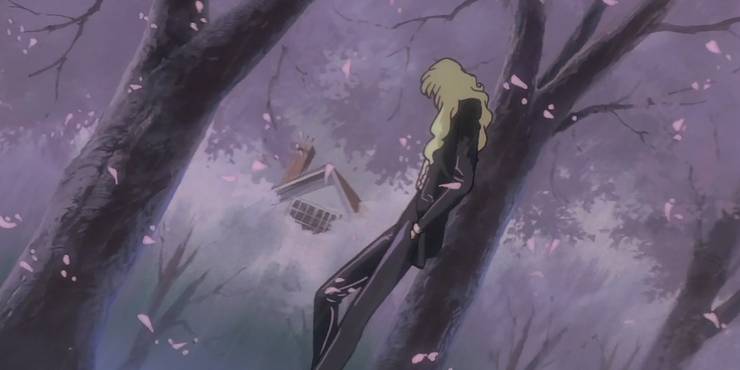
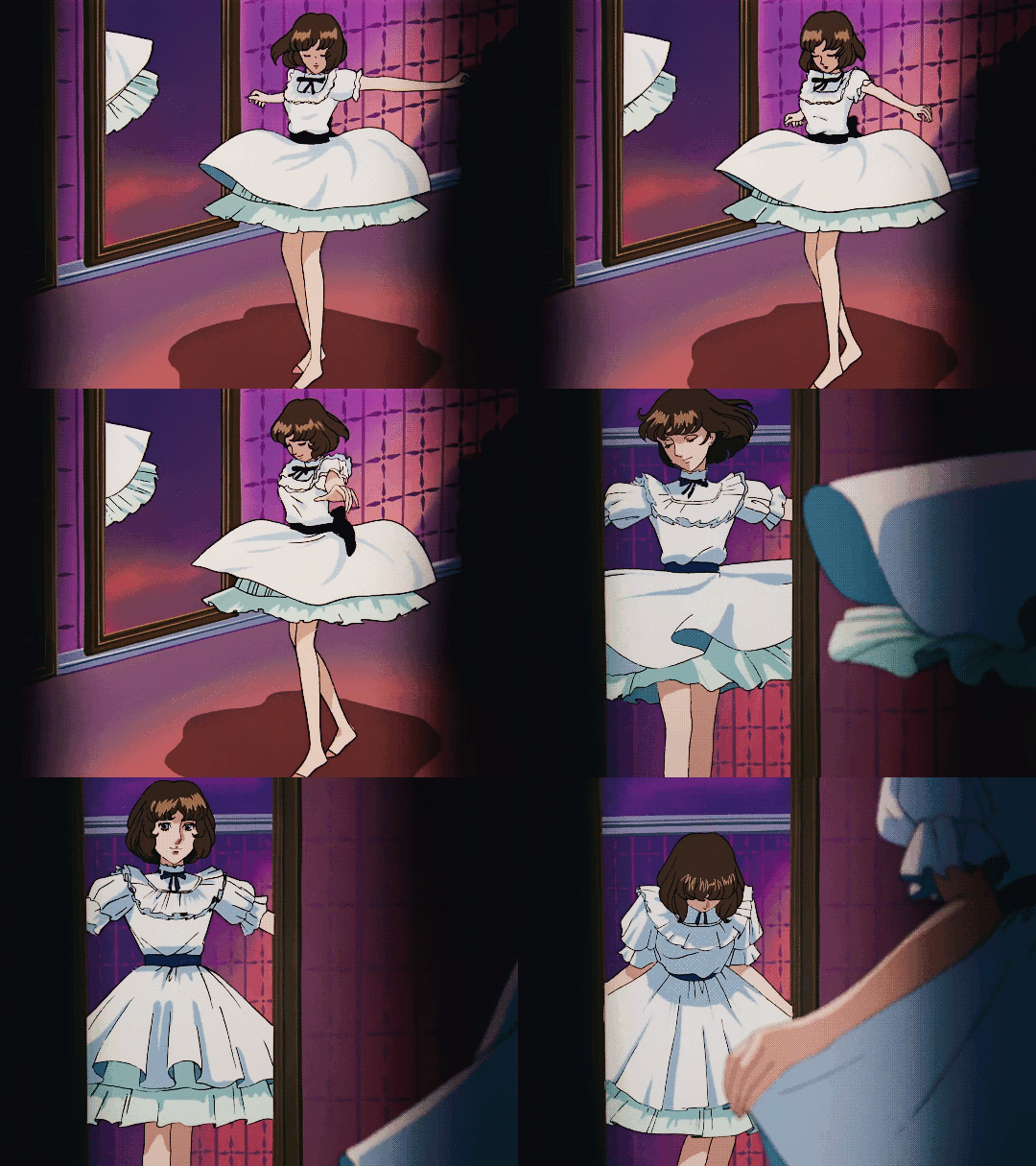
Dear Brother is emotionally vast and uncompromising in its ideas, and the limitations of anime production in the early 90s serve as an opportunity for conveyance as often as they are an obstacle. It has a uniquely European flair to its 70's shoujo style in the costuming, atmosphere, and screenwriting that has been updated to suit the 90s anime aesthetic, and its inspiration on many classics today means that (if you can acclimate to its traditional cell-shaded animation) this has the ability to appeal to old and new anime fans alike. I was not expecting anything spectacular visually, considering the release period and pacing of the production, but ended up being blown away by how vibrant and distinct it is.
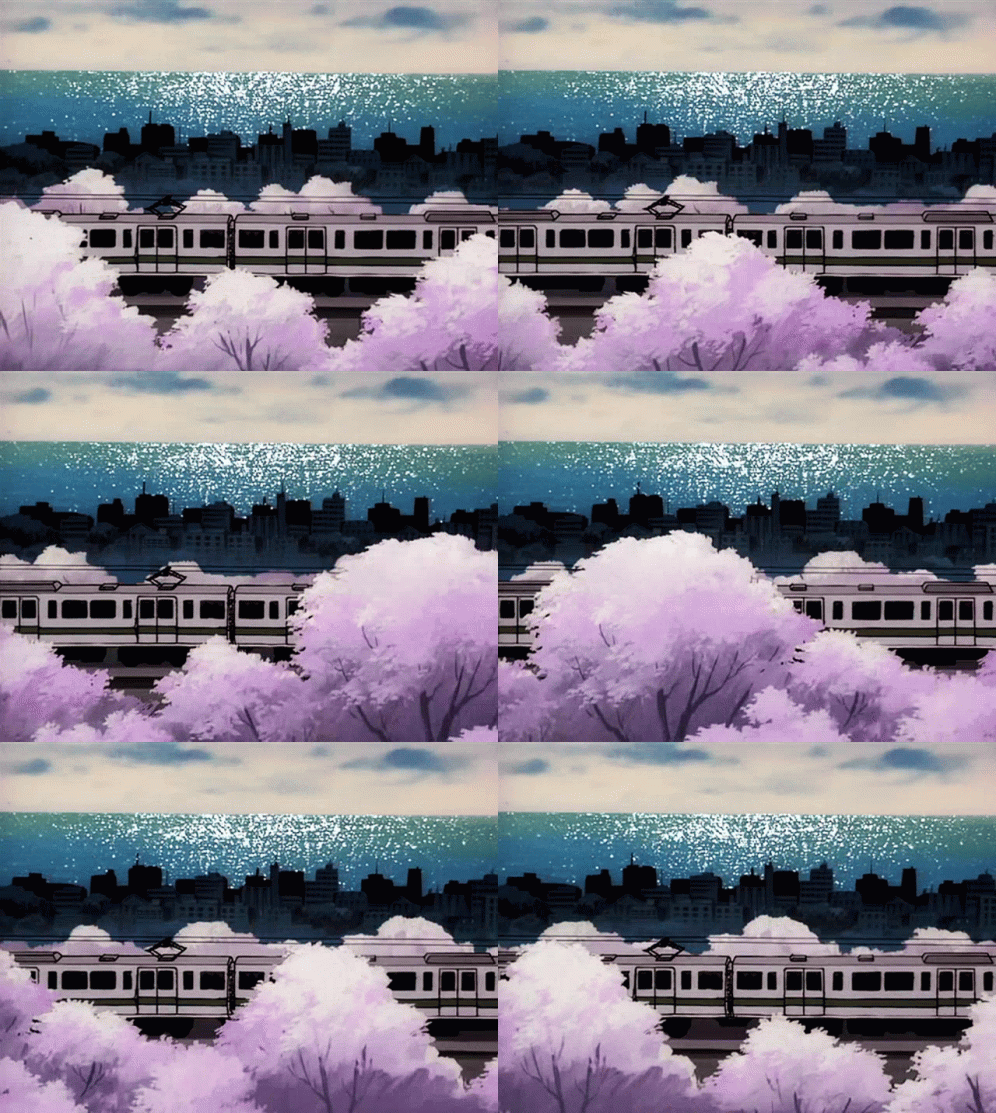
There are a lot of time-saving and efficiency-type techniques still used in TV anime today that this anime makes use of, things that series director and legend of the craft Osamu Dezaki had been polishing since the inception of TV anime itself. It's not always entirely successful, there are the classic jarring triple takes and side pans that can be disorienting or uncomfortable to watch, but there are also plenty of moments where its motion (or lack thereof) embellishes the emotional impact of the moment quite nicely. This is a premier example of limited resources being used effectively and with a clear creative vision in mind to support the directorial choices. It's cheesy and emotionally loaded at times, but you can immediately see how this series and its creators became such an inspiration to so many creatives.
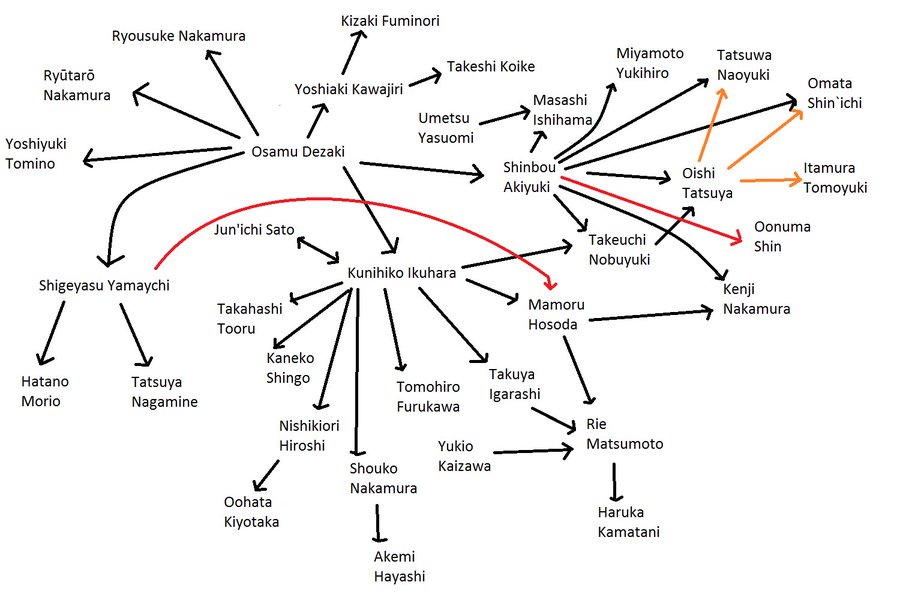
Whether it be the flower imagery of Yamada and Ikuhara, the thematic gravitas and prophetic impetus of Satoshi Kon, Anno, or Ikuhara, the character archetypes, visual imagery, and social commentary of Miura or Ikuhara, the style and visual iconography of Shinbou or Ikuhara, the time-saving TV techniques used by Asaka or Ikuhara, or the uplifting minor-key swooning of Kajiura’s musical scoring as well as the theatrical musical palette that Ikuhara has become known for, Dear Brother’s influence can be felt across a wide berth of the anime industry today. Some of these are tangentially related, and others are direct references, but it is undeniable that mangaka Riyoko Ikeda and director Osamu Dezaki have greatly influenced anime as we know it today greatly… and Dear Brother is the lesser-known pinnacle of their works. (Did I mention that Ikuhara ~~ripped off~~ was heavily influenced by this series?)


Dear Brother is an intellectual Class-S melodrama permeating with the usual Takarazuka flair, using conventions within its genre to explore a seemingly routine coming-of-age narrative. It’s in this adherence to the routine of shoujo storytelling mechanics, that it wrestles with many of the insecurities young women face like the burdens of gender and sexuality, the competitive social hierarchy among women, the responsibilities of status/wealth/lineage, trauma/stress (and their coping mechanisms therein such as drug use and self-harm) and much more. It gives a distinct psychological hue to its swirling mysteries surrounding high school politics and young love, and it allows its moments of grandeur to flow through the characters, instead of using them like chess pieces on a board to concoct exciting story beats. There's a sense of tension with the show's polite airs that confide in the audience and promise respect for the struggles of its characters. It’s a lofty and emotionally wrought journey through early adolescence, exploring the various forms and expressions of love and life through the perspectives of its intensely flawed yet always enthralling cast of young women. The pain and tragedy come in equal parts to the joy and splendor.

Nanako, our 16-year-old protagonist, wanders emphatically through the lives of her fellow classmates; many of whom are tormented by their affections, wrestling with the “proper” ways to live and love by the standards of society set before them. She experiences lots of different types of love, not just the fluffy chauvinistic love, but all sorts, by various genders and presumed sexualities. Along the way, she uncovers the uncomfortable truth that there is no such thing. You can do everything “right” by the standards of society and still come up wrong. You can do everything “wrong” and still come up “right”. Following the rubric set out by patriarchal norms, and acting solely based on a societal role will not necessarily lead you to the storybook ending promised by chauvinism. And yet, as a mere teenager uncovering the messy throes of love, life, relationships, and your place in the world is a seemingly impossible but necessary reality of adolescence. Although the conclusions you discern about loving others will vary, and how society views you will be beyond your control to an extent, above all else you must love yourself and cherish the life you have been afforded. Happiness awaits those who struggle through their own hangups and inadequacies and is rewarded not based on merit or structure but on your own truly genuine beliefs and understanding of yourself.

The story uses the letters Nanako writes as a narrative convention, cutting away most of the inner-monologue chaff we’ve come to expect from anime drama series and replacing it with poetic bookends. Through Nanako’s interpretations of the maelstrom of events surrounding her, we are made privy to what it would be like to feel as the characters do… as young women on the cusp of adulthood do. It’s not made clear how much of a genuinely unreliable narrator she is, but her extrapolation of certain events and decisions made by herself and others adds a layer of uncertainty to the narrative. Dear Brother isn’t limited by its exposition, pacing, or structure, the way it might seem at first glance, and it manages to broaden the scope of the forms of love typical to its genres beyond the usual fare. In many ways, it is still somewhat dated by the standards of today's audience (the woe of compulsory heterosexuality looms as it does in most Class-S literature and manga) but for the era this was written, it is far more progressive in its ideology and expression than one would expect. The series acknowledges the existence of the disproportionate societal forces women experience as they ready themselves to move into adulthood and shows us how different people cope with or rally against these expectations. It takes some interesting stances on self-love, showing all sides of the equation. Loving yourself, loving others, and how balancing them equates to maturity.

Although it’s not uncommon for shoujo or even shounen series to base their thematic exploration on more grand societal concepts such as toppling power structures, developing a sense of justice, loss of innocence, or loving yourself before you can love others, Dear Brother adds a layer of nuance to the points of view it depicts that is handled deftly. Many of the show’s concepts are presented through simple metaphors, such as the sorority as a microcosm of feminine high society and unattainable standards of beauty, or the different family structures of each character as various forms of support systems and their varying levels of success. Its ideas are presented through simple metaphors so that younger readers/viewers can identify with them, but the complexity it provides with added subtext and visual metaphors allows these simple concepts to permeate deeply enough to remain engaging and thought-provoking for more mature audiences.

Each character represents different modes of navigating through society’s establishments and expectations, but they leave a degree of nuance and juxtaposition underneath that begs analysis at every turn. Nanako’s self-serving empathy, Fukiko’s enduring manufactured dignity, Rei’s self-hatred fueled by narcissism, Kaoru’s bravery as a shield for her fear of mortality, Mariko’s pride built upon her weaknesses, and Misaki’s vitriol as a result of her insecurity. Their respective points of view and experiences show us many of the ways that pain and trauma can change a person, and how it is through these types of hardships and worldviews that we can discover the things that remain the same; our true selves. Nanako tries to experience all of their viewpoints, trying each one on to see how it suits her. It’s through this and the events of the narrative that she realizes that being able to internalize your own feelings and sense of self, to be able to see yourself as others see you, and then coming to the understanding that everyone around you is also struggling in this way… that intersection of outer perspective and self-awareness is what true maturity is.

I kept asking myself as I worked my way through the series: How can this feel so genuine and real despite its over-the-top melodramatic conveyance? Why does this sit so much better emotionally than so many modern anime dramas? What sets this show apart from so many of the emotionally manipulative shoujo that came before or since? Despite how unseemly and over the top it is emotionally, Dear Brother is engaging and resonant. When I picture “melodrama” what springs to mind are soap opera telenovela-type pacing and depth, and the idea that you are watching the characters' lives from an objective perspective. If you want to get to the heart of a compelling portrayal of melodrama then you need to do away with believability and accept the presentational mode for what it is. Being performative and being genuine are not necessarily antithetical. Good melodrama considers how the characters feel, and bad melodrama considers how the audience feels.
Most modern anime drama series tend to follow more stringent guidelines, presenting things evenly across a large cast, levying the character perspective shifts, and keeping the flow of the scenes succinct and piecemeal. Dear Brother, on the other hand, thrusts you into how the character is feeling and what they are thinking first, cleaning up the narrative and character motivations later. It’s undeniably messy at times, but this comes from a willingness to linger on things emotionally. Modern anime can be almost too pitch-perfect, too on the nose, and too clean-cut sometimes, especially when it comes to melodrama or shoujo in general. The pacing of 1-cour adaptations demands it. The manga/LN they are adapting often put a lot of focus on narrative in the first 3 volumes to hook readers, which translates to breakneck-pace anime adaptations.
The problem with that for shoujo is that it needs time to linger, the characters have to ruminate on their feelings after acting. It helps that the establishing shots are beautiful, with amazing color usage and creative compositing that tie visual metaphors to the script, and also that the music integrates perfectly with those emphatic symphonic crashes or eerie minor interludes. The voice acting is also incredibly well done, down to the different types of language and layers of formality the characters use with each other. All of this adds a layer of something that feels genuine, even if it is ultimately manufactured. And feeling is what’s most important in a melodrama, and what is often forgotten in the curated and prim adaptations we see today.

Another large part of what makes it feel so real is that the show truly gives the characters time to wrestle with their actions and reactions and uses the over-verbalization/visualization techniques of melodrama, soap opera, and shoujo conventions to allow the characters their chance to justify and unpack their feelings. And as much as it gives the characters time to ruminate on their feelings/actions after the fact, it also takes great care in the setup before the dramatic climax of the scene.
The relationship between Nanako and Tomoko is a great way of juxtaposing normal life and relationships with the high society concocted by the sorority. Kaoru serving as a voice of reason in the student body shows the audience the manufactured nature of the sorority, giving its over-the-top atmosphere nuance. Rei’s self-destructive descent feels entirely believable, even as it wallows in elongated and moody establishing scenes. Fukiko’s interactions with sorority members are couched in faux importance, conveying the complexity of their relationships with what amounts to simple trials by tea party. Scenes like this go a long way to making the characters feel like they are living in a real-world… just in a heightened state.

Throughout every episode, they make sure to include moments of normalcy and establish a baseline for day-to-day life. Whether it be Nanako putting on makeup, Kaoru shooting hoops, or Fukiko trimming her roses, these small moments of daily life are usually couched in visual symbolism and layers of subtext. Whereas lesser shows often jump into comedy routines, linger on inner monologues, or don’t even give you a break from the drama, Dear Brother takes the time to show you that these are ordinary people before thrusting them into precarious situations, pacing the story slowly and simply. This way we get to see the characters struggle and make unexpected decisions that propel the narrative forward. It’s much less important in a good melodrama to understand why a character does the things they do at the moment than you would think. But modern viewers tend to be unreasonably focused on “relatability” in their characters, rather than allowing the characters to be ambiguous. Ironically, trying to manufacture relatability makes the characters in melodrama feel less real. Moments of "under-presenting" stand out against the wash of high-tension scripting and characterization. Dear Brother balances this scale deftly, and the intangible truths it reaches because of its commitment to the melodrama style is what allows it to function so well.

While there is undeniably a barrier to entry for Dear Brother due to its presentation distinct from most anime today, the literary aspects and the artistry in its visual storytelling, more than make up for what it lacks in age, animation, or succinct pacing. This is a near-masterpiece of an anime, marred only by its somewhat dated ~~compulsory~~ conclusion arc and the niche nature of its mode of expression as a shoujo melodrama. I can’t recommend this to just anyone, but I can say with certainty that its audience is far broader than I gave it credit for at first, and the resonant nature of its themes and personality have and will far outlast most other anime of its kind.
That's all! Thanks for reading. If you scrolled all the way to the bottom to look at my score first shame on you, but feel free to jam that thumbs up/down anyway. If you're wondering why my score isn't higher it's because I'm cis-het and I have bad taste. If you're wondering why my score isn't lower it's because you also have bad taste. If you want to get a short and sweet taste for the show to see if it might be something you'd enjoy check out this AMV. I think it does a great job of presenting what the show has to offer and it'll save you the time of reading my ramblings.

54.5 out of 57 users liked this review
