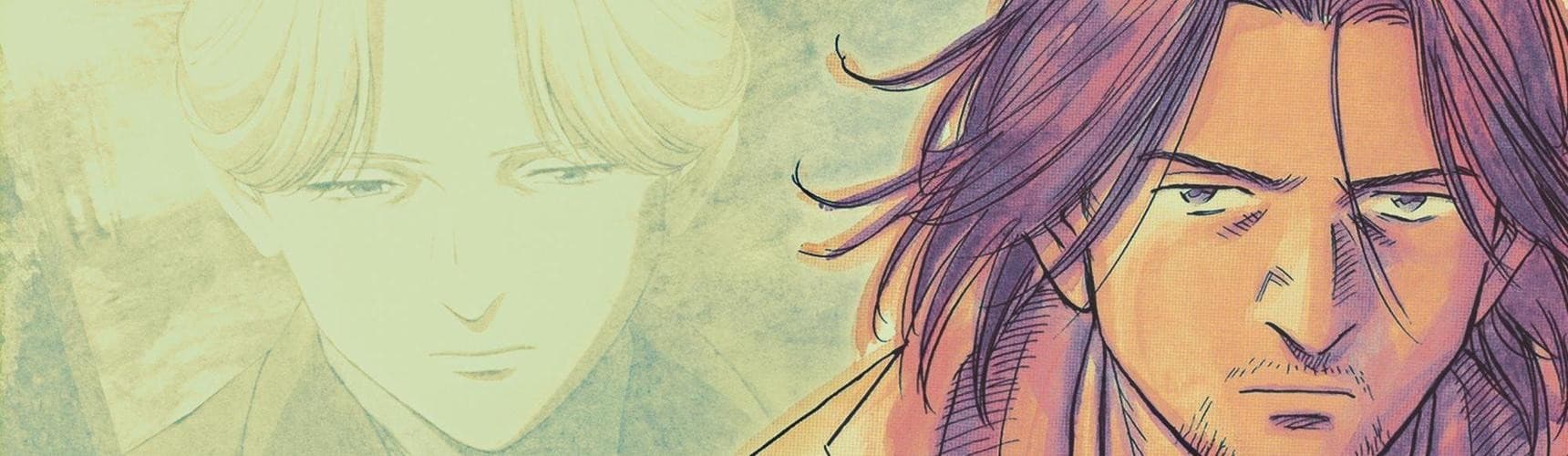
Synopsis: A famous doctor who is at the peak of his career had to make a fateful decision one night: to save a young boy who had been shot or a mayor. He chose the former. However, little did he know that brought back a monster from the dead. He commits the rest of his life, to make up for his actions
About the anime itself:
Plot and setting
The show takes places in 1980-1990s and is set in Germany and Czech republic. The aftermath of the Cold War and the fall of the Berlin Wall has a lot to do with the backstory of the characters so if you are a history buff this show is definitely for you. The places mentioned in the anime are real and the characters do a lot of travelling so the flow of the show may be a bit confusing. The episode will end off at one scene and the next episode will start somewhere totally new. Hence, there is some remembering to do. Nevertheless, the show gave us insight into the ins and outs of Germany and Czech, from the city, to the countryside to the red light districts. The show encompassed the culture of the place.
The show follows Tenma's journey to find the monster he created, making friends along the way and unearthing the atrocities of World War 2 that resulted in Johan being the monster that he is. With regards to the horror aspect, there is nothing paranormal like ghosts and vampires but witnessing the results of psychological torment the boys were put through was enough to make the show terrifying. Some special effects in the animation coupled with eerie music also made the show scary. There was not much violence but a lot of dead bodies and blood.
Characters
The characters were very well written and had a lot of depth to them. The show placed a lot of emphasis on the people and the supporting characters contributed to the show on their own regardless of how long they were featured. In the end it was engaging to connect the dots and figure out that they were related in some way or the other. Tenma's interaction with people and impacting their lives made the show even more meaningful. I like how the show featured people from various backgrounds and how the war and Johan affected them (eg. the police, gangs, minority groups, townspeople etc.) This way, we were able to see Johan and the situation from various perspectives and this made the show very enriching.
As for the main characters, we can see character development in every one of them. Across the 74 episodes my impressions of them changed drastically. Tenma stepping out of his comfort zone, Nina learning more about her past and identity and Lunge (my favourite) who embraced that Johan is not an illusion. You will certainly form an emotional connection with them. Even though they weren't related, they still treated each other as family and supported Tenma. This was heartwarming to see. Personally, I wanted to know more about Tenma's past and what motivated him to become a doctor. This made me curious as we do not see any of Tenma's relatives in the show.
Some major themes that stood out to me [some spoilers ahead]:
Child negligence
The crux of the anime is unarguably the experiments conducted on children in East Germany and in Czechoslovakia. Brainwashing children in cruel environments gave the show its element of horror. It also showed the innocence of children and how they believe things easily. Childhood is a precious time of lives and our upbringing affects who we become in the future. A child's mind is fragile and whatever they are exposed to at a young age can leave a large impact on their future. Simple things such as books might have a huge effect on a child's outlook on life.
Name and identity
There was a recurring motif of the importance of having a name. We all take our names for granted but our name is what gives us our identity and a place in the world. The children in the experiment were nothing but lab rats and they were never able to lead a normal life even when they grew up. People in charge of the experiment did not see them as human, but instead as weapons and tools to further their political interests.
Value of life
Tenma's position as a doctor and his duty to save lives clashes strongly with Johan's ideals. Tenma saved everyone regardless of whether they were good or bad as he saw all lives as equal. After all, this ideology of his drove him to save Johan in the first place. Despite all the hardships that Tenma went through, he stood firmly to his ground
If you have read this far, I really appreciate it :) Monster is truly a unique anime and leaves you with a lot to think about and reflect on.
49.5 out of 51 users liked this review
