BELLE
a review by writer4life724
a review by writer4life724
Full disclosure: I love Mamoru Hosoda's filmography as a general principle. From Wolf Children to Summer Wars, he brings to light stories of hardship and community that I don't always get from other creators. And his artwork is often candy to the eyes, bright and cheery with lithe figures to contrast some of the harsher realities in his stories. So when I heard he was releasing his ninth movie, I was eager for its American release so I could see his work again. Unfortunately, this is his weakest film for me, jamming together three very different storylines into one feature film.
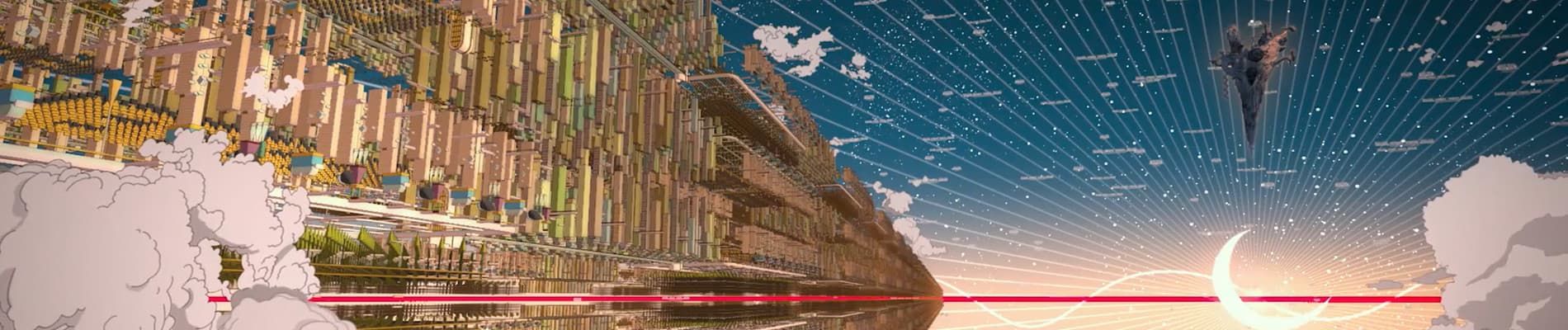
I will give props to Mr. Hosoda's artwork, as it once again is a breathtaking ride for audiences to witness. From the 2D landscapes to the 3D character models, there is a wonder in every frame, even in the darker moments. The music also adds to the feel of the film; even if you're not a fan of pop ballads, each song is composed well enough to impact viewers, especially the first and final tracks. There's plenty to see and hear to keep audiences entertained.
But that's close to where my compliments end for Mr. Hosoda's film. My biggest drive as a viewer is character and story development; sadly, this film didn't deliver—minor spoilers for the first 30 minutes of the film. For instance, Suzu is shown singing in front of a digital audience, but there's no transition into realizing she can do this in light of her past trauma. She appears in U and then...sings. No overcoming her trauma, no moment of sickness for a moment before regaining her composure, nothing. She only has an issue singing when others 1) know who she is and 2) when she tries to sing in front of real people. Why? There's no deeper investigation into this phenomenon, it just happens, and the movie races forward without explanation.
Many of my issues stem from these plot conveniences. More major spoilers under the tag, but if you don't mind them or have watched the movie before, feel free to take a peek.
To briefly interject, I believe this film had three distinct ideas in Mamoru Hosoda's mind before combining them into one. It makes a lot more sense if you break it down into three separate storylines. One is a rags-to-riches story that deals with being true to yourself, not a false version of yourself (see what Jem: The Movie attempted to do and failed). Another is a story of dealing with trauma and building a community when you're struggling to work through said trauma (see Hosoda's other movie, Summer Wars, for a better variation of this theme). Then there's the 90's Beauty and the Beast adaptation because this is not an adaptation of the original La Belle et La Beat but Disney's work. Even a few moments almost copy the 90's movie beat for beat with no subtlety. I believe if Hosoda cut these three ideas apart, he could've made three short films instead of this one clunky plot. I could even see the Beauty and the Beast adaptation working with the idea of self-love to heal from past trauma, but the third aspect doesn't mesh well. These needed to be separate stories, but it feels like Hosoda didn't flesh out how they could've been a cohesive story. This movie needed some more writing drafts before being animated, at least to me.
TL;DR: this movie has lots of beautiful artwork and good music, but no single heart to tie everything together. This film feels like several disparate plotlines shoved together with little coherence and understanding of the overall story arc. If you're looking for spectacle but are willing to turn off your brain, you'll probably still enjoy this film. Otherwise, I recommend watching Hosoda's other movies, Summer Wars or Wolf Children, for similar story beats told better, in my opinion.
23 out of 34 users liked this review
