NANA
a review by MattSweatshirT
a review by MattSweatshirT
Nana feels like a sort of crossroads between the shoujo and josei demographics. Charming and familiar in its shoujo-y comedy and character archetypes, but mature and determined in its drama and messaging. It takes that extra step to go beyond demographic in order to speak to its audience more effectively. To speak to its audience who may be at a crossroads in their own lives, moving from adolescence into young adulthood.

In the anime medium, melodrama and romance is often not something I’m drawn to. I find it hardly ever spends the amount of time needed to realistically build up and depict the dramatics of everyday life or the tensions of romantic relationships. It seems almost inevitable for the medium to fall into a more immediately engaging form for its story like comedy with the drama and interpersonal relationships only highlighting the big moments, ignoring the appropriate and realistic build up needed. I usually really dislike this approach. Instead of telling the story of its characters, it is an attempt to shove emotional beats in the audience’s face, hoping they land. And if I’m being honest, Nana does kind of fall into this category of anime dramedies. But regardless, I really really like it. First of all, this is probably because it isn’t nearly as severe an offender of this way of portraying drama as most others–it isn’t nearly as whiplash-inducing or overly dramatic most of the time. But ultimately this is, I think, due to it being more than just a comedy, drama, and romance. It has a nuanced approach to what the drama actually is, and what it’s trying to say, rather than just being for the sake of hitting emotional beats.
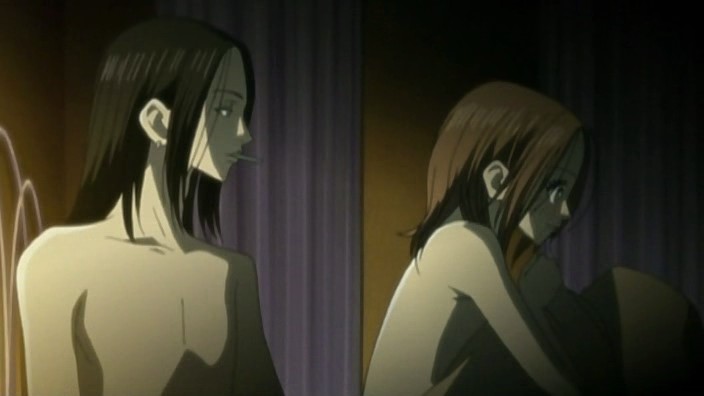
Nana details a touching story about the transition into adulthood and the idiosyncrasies of modern relationships—platonic, sexual, and/or romantic. Its depiction of how these things are navigated by this age-range feels incredibly natural. Sex isn’t treated like some grand, euphemized phenomenon; it is a casual thing that young adults sometimes engage in. This realistic depiction of sex and intimacy was probably the first thing that assured me this would be a good drama unlike so many others of its kind.
It explores how trauma and various issues especially present in this generation affect how individuals deal with their interpersonal relationships. Different characters’ conceptions of love are shaped by who they are and what they’ve been through.
It is a passion-filled expression of the lack of passion so many young people find themselves with. The wide world opening up to a 20 year old is an intimidating thing. And in the face of it, each character is forced to consider their identity and place within it all.
All of this and the interpersonal drama that comes with it, while perhaps not always entirely realistic in its execution, feels sincere in the intent behind it. Despite conforming to the anime dramedy format in many instances, it feels as though the person behind this work knows what the fuck they’re writing about. While archetypal, the characters feel realized–especially the women. Women characters who grapple with their own autonomy and motivations in relation to the world and environments around them rather than ones that embody a single trait and exist purely to serve the writing of the MC or other male characters are refreshing to see in anime.

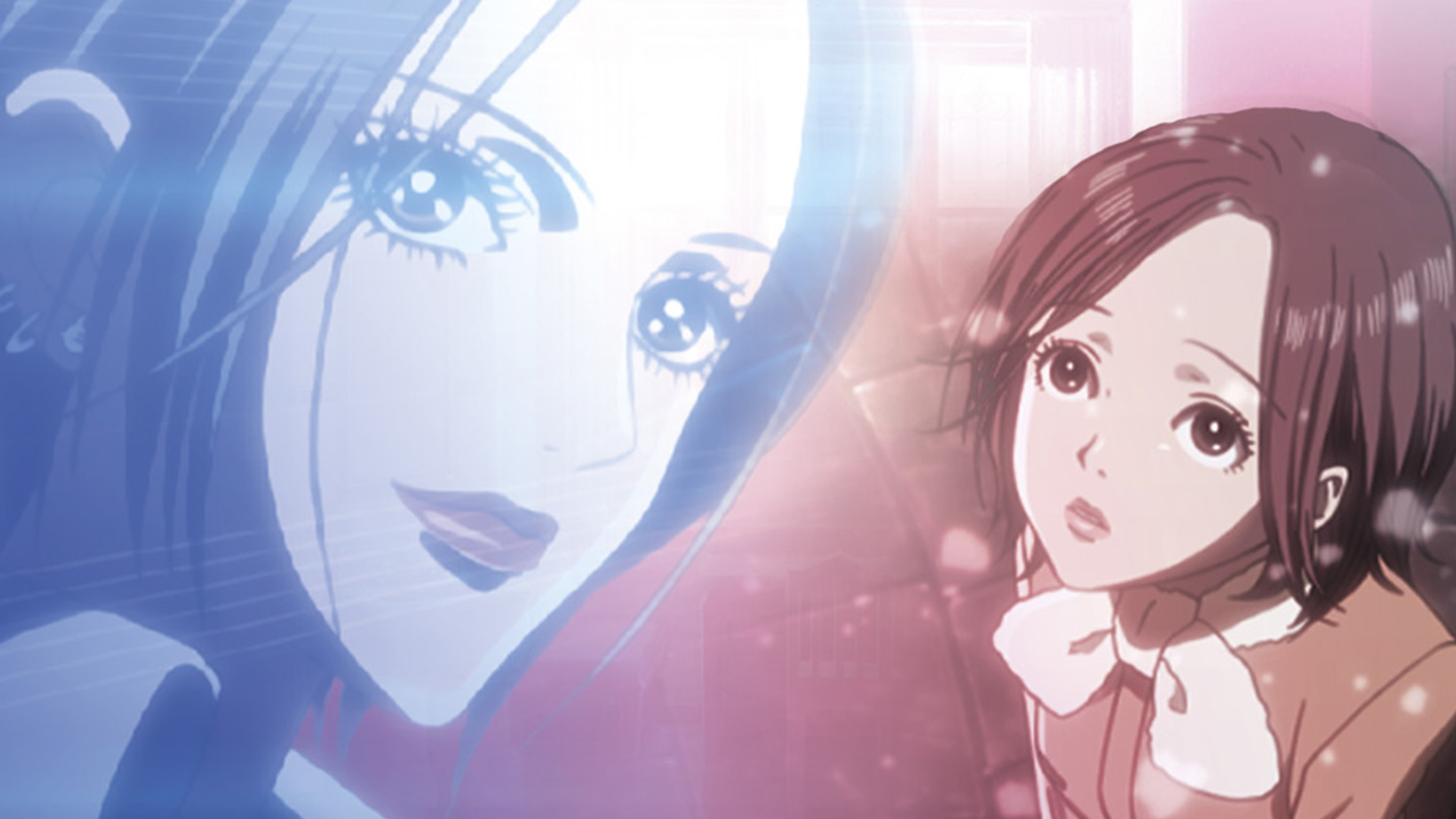
What really carries this series for me is the two nana’s relationship with each other. Our main character nana, or hachi (which I will be referring to her as from now on for convenience), is your typical cute, naive shoujo protagonist. She strays from this archetype in a few subtle, quite meaningful ways, though. Her brand of naivete is a believable one; it feels almost purposeful on her part. And this is pointed out by other characters throughout the show–she plays up the ways of acting that those around her expect. In reality, she is quite aware of the things around her and the intentions of others, but acting as if she isn’t allows her to get away with more. This in itself is layered characterization not often present in your typical shoujo protagonist. Beyond this as well is her relationship with Nana, which outlines an even more extensive layer to her own character by causing her to consider all of the afore-mentioned things about herself. Nana is also a typical kind of character, being a badass, tomboy rock girl. The source of inspiration she serves as for hachi, though, touches on something quite important I think. Hachi, being raised in the countryside, very much fits into most gendered expectations and stereotypes for a woman. She is constantly grappling with these kinds of things—at times developing a self-flagellating tendency from perceiving herself as acting “easy” or “like a bitch”. She also develops girlish “dreams” that end up not corresponding with her achieving of actual happiness.
“The ideals that we want and the reality that presses against us always stand staring at each other, and things don’t quite work out.”
Because of these internalized gender roles and expectations, and her transitioning into the adult world, Hachi feels intimidated and trapped. She is confronted by all the world has to offer and all of its seeming limitations, and is lost at what to do with herself. Nana, however, as someone who subverts many of these gendered expectations and is driven by a very independent passion of her own, shows Hachi the endless possibilities that exist, and is an immense inspiration for her. Nana being the constant genuine connection that Hachi retains despite her troubles with men and all else, and Hachi’s descending into these things when she feels she is losing Nana reflects this. This rebellious kind of figure is a profoundly important thing for the less rebelliously natured to see and learn from. This speaks to something very true to life I think. Not just in the specific circumstance of a rebellious, gender norm-subverting girl inspiring a more “normal” girl, but in a more general way that applies to all kinds of things.
What the rebellious strive for is something beyond the status quo. A sense of identity not reflected by the hegemonic force, a fulfillment through creativity not offered by the structured workplace, a connectedness with others not tainted by the superficiality of daily interaction.
In this sense, we’re all rebellious in our own ways—sometimes we just need that source of inspiration in our lives like Nana to help us find that part of ourselves.
There is a lot about this show that I adore. That being said, it isn’t without its flaws. The drama and some plot threads can be a bit awkward and questionable at times. Shin’s situation, a child who is selling himself to older women, is not treated with an appropriate attitude—often being played off for comedy. I really can’t stress enough how much I disliked this handling of Shin’s situation. Other characters would tell him off for what he was doing, which made me think it would be alright, but it was only really in relation to the selling himself aspect, rather than his age. It then doubled down on this by having him enter a more serious relationship with Reira and stop selling himself. This is presented as an entirely positive thing, essentially glorifying, or at the very least not admonishing this relationship between an adult and a 15 year old.
An apologetic tone is also brought to some bad situations when it shouldn’t be—such as with Shoji’s cheating. It felt like it was setting this up as something Hachi would have to grapple with, peeling back the social conditioning that has caused her to regard manipulative patriarchal tendencies in this apologetic light, but this never happened.
The last cour or so of the show that aired consisted of Hachi’s falling into a committed relationship with Takumi as she became pregnant with his child. This expresses the double-sided plight of the gender role conforming woman. The route that is expected and incentivized for so many—to create a family and become a homemaker. Due to this being an almost forced circumstance onto Hachi, and her getting married to someone like Takumi, it becomes just as tragic as it is joyous, probably even moreso. The possibilities of her life are stripped away from her in place of a laid out path. She achieves what she has always thought was her dream, an illusion instilled into her by a patriarchal society, but loses her relationship with Nana, the source of inspiration outside of these norms she treasured. She achieves stability, but loses passion. And perhaps her newfound family can still provide a lot for her–but something is always left behind. This is the kind of thing that creates situations for children like Shin, where he feels as though he should never have even been born. The cycle of these expectations being fulfilled and the status quo maintained create destructive circumstances for many, leaving them broken.
Nana ultimately is a story about broken people. People broken by their family situations, the society they are subjected to, and each other. People breaking and attempting to fix each other and themselves. Their edges at times filling in the gaps of another’s, and at other times creating new gaps of their own. This is what leads us to constantly drift to various relationships, as the characters in the show do–an existential search to be made whole again. And this isn’t only in relation to relationships, but to society as a whole. We see the roles and expectations laid out before us and search for those that fit. The way we identify with the society and people around us, especially as we are finding our way as young adults, is a balancing game. We manipulate our form to fit the circumstances around us and force our disfigured form where we think it ought to be. Due to the fluid nature of identity, though, we always lose something in the process.
This has ended up as one of my favorite dramas in anime. While falling into some tropes and story beats I dislike, its layered characterization and messaging provide a weight behind its dramatics most others fail to have. Its emotional moments don’t land because they are made to be emotional, but because they feel meaningful in the context of what the show is trying to express, which makes them much more applicable to real life. Being at the crossroads between teenage years and adulthood myself, I found myself perhaps even more affected by this show than I otherwise would have been. The stark poetic outro lines to each episode often rang true to me, or recontextualized the show in ways that not many lines in anime do. Its messaging, while clearly much more geared toward young adult women, impacted me extensively due to the sincerity behind its depiction of the tensions that affect one’s identity at this point in their life.
It’s a massive shame this is left in perpetual hiatus—the anime never to be finished. But to be honest, it doesn’t detract all that much from the show for me. With the nature of the story being about the transition into adulthood and our ever-changing sense of identity, it being left tragically open-ended kind of fits, in a bittersweet way.
22 out of 24 users liked this review
