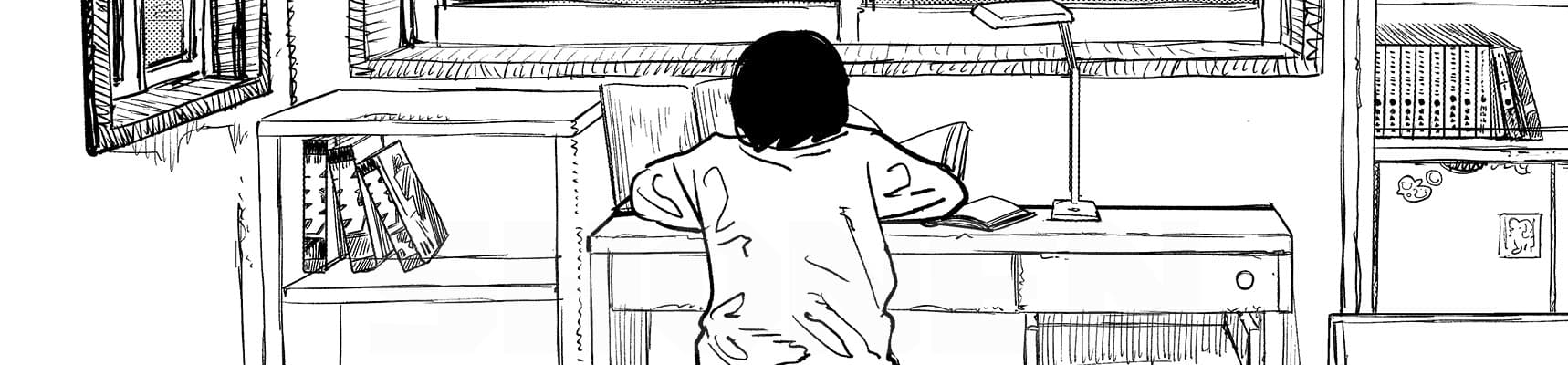
Look Back
a review by ZenoDaBest
a review by ZenoDaBest
We all have done something in the past that we wish we could change. A decision we could have taken in the past that would have make us happier now. But alas, we are only human. We can’t change the past, we can only look back at it. All there’s left to do now is move on from it.
Before, we look at look back. I just want to talk about Fujimoto for a moment. I read chainsaw man a year ago and while I thought it was good. I didn’t understand it. I didn’t understand why people were so excited for this manga in particular. Time passed, I moved on to other things. Then one day, as I was laying on my bed alone in the night, I thought “why not” and decided to read look back. And it was one of the best experiences I have had in my life. I suddenly started to get Fujimoto work (now this is not me saying "you need to have higher iq to understand his work, I am just stating my journey that lead me personally to understand him. If you don't like it's fine) and how his writes his stories and why they are special. His style of storytelling feels like a movie rather than a manga. Everyone panel feeling like a frame. He uses this trick where he uses the same panel over and over with little movement to show that time is passing, its great. It’s hard to describe his style fully but it’s just something special. It’s one of those “you will only truly get it when you try it for yourself” thing. I believe in the future, we will look at Fujimoto just like how we look at such mangakas such as Oda, Togashi, Miura, etc today. Well that’s enough of me fanboying over Fujimoto. Now, time for the actual review.
Look back follows our protagonist, Fujino as her manga from that day is being passed around the class. When she is called to the office to give one of her paper manga slot to this girl called Kyomoto. She does as she is told while still believing that no matter who she is up against, there’s no way they will draw better than her. So, it is crushing for her when she sees that the person she is up against isn’t only at her level but she is way ahead of her. But this isn’t what gets her the most. What gets her is the sound of people cheering her art turning into the sound of people belittling it since they found someone “better”. That’s the driving force for many people, seeing that someone is there to enjoy what you make you motivated. Getting recognition for your work feels good. Something as simple as getting comments on an art you did or message from a person for a review you did feels nice, it helps you to do more. And now that sense of recognition is taken away from Fujino. But she doesn’t give up! On the way back, walking through a field of crops, she decides that she wants to be better than Kyomoto. That’s her new driving force now. So, she continues drawing even tho she isn’t recognized for her ability and told over and over to “grow up”. A phrase I am sure every one of use has heard in our life time. She keeps drawing nonetheless pursuing her goal to be better at art than Kyomoto. And even after all that, even after pushing through the pressure of giving up, even after all these years of practicing art, she just isn’t better than Kyomoto. So she gives up, she gives into the pressure and quits drawing for good. Until one faithful day, when she has to go visit Kyomoto. And when she visits she sees that the one who truly recognizes her art and doesn’t belittle her is the one she who indirectly caused this in the first place. As she sees that the one she thought was so above her in art is actually a fan. She gets back her motivation from her childhood. As she knows that someone is out there who truly appreciates what she does. She walks again the same field of crops as she did so many years ago. But this time, it’s a walk of happiness, a walk of recognition.
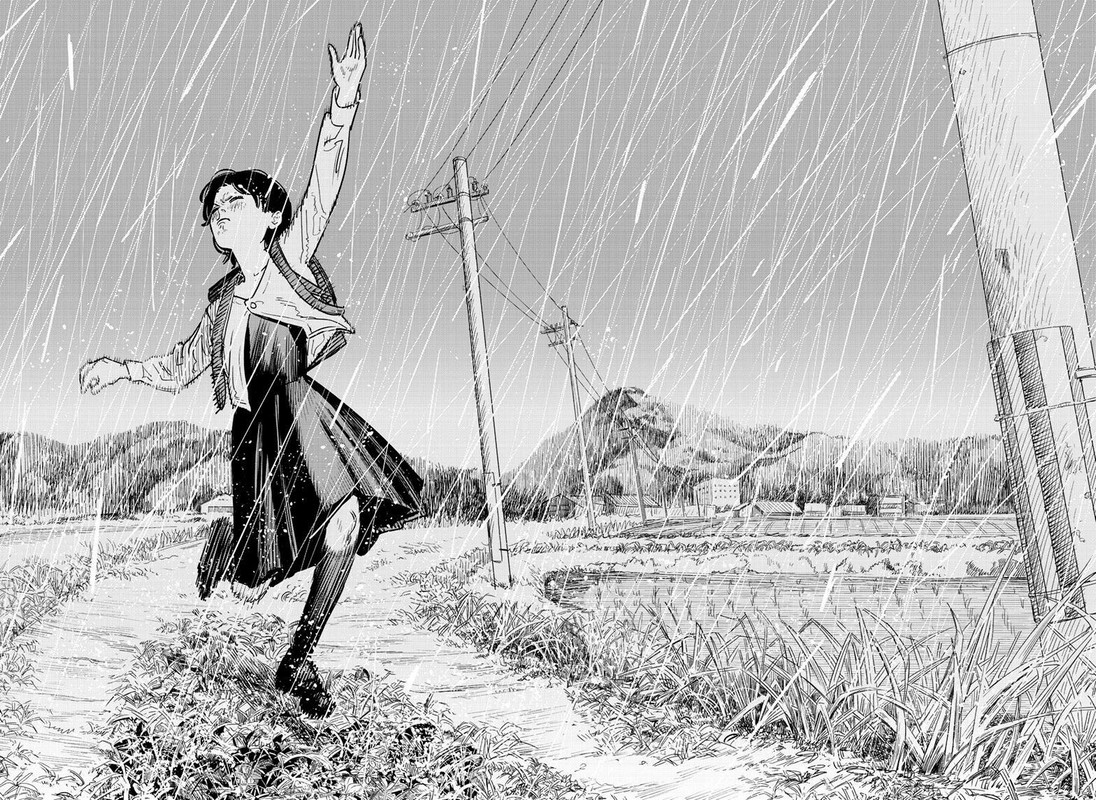
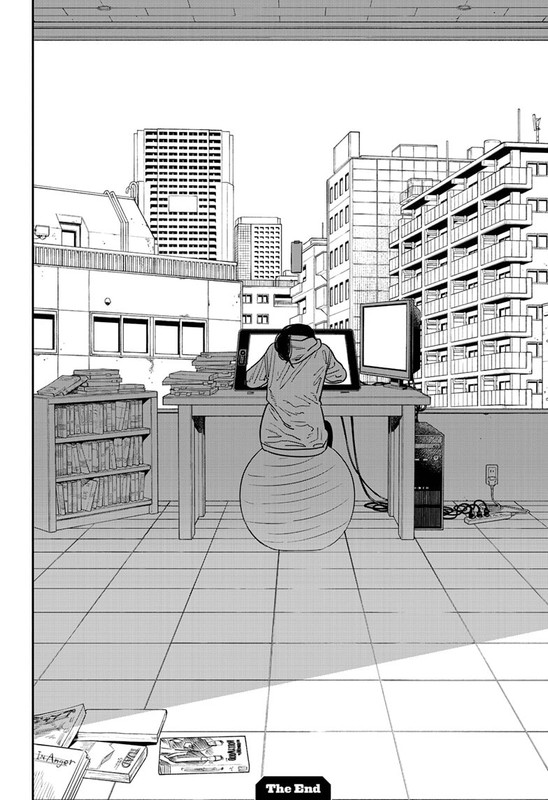
That day may seemed like a wonderful dream to her but as she grows older she begins to view it as nightmare. As Kyomoto is killed by a crazy man in an art school. She couldn’t help but blame herself. Maybe if that day she hadn’t accidentally called her out, she wouldn’t have died. Maybe if she didn’t tell her to get better, she won’t have died. Maybe if she hadn’t picked up drawing again, she wouldn’t have died. It’s quite funny how some of our happiest memories turn into a sour mess so quickly. Our memories that we want to change so badly. “Maybe I should have done that.” “If I just did this, it wouldn’t have happened.” We think to ourselves knowing that all we can do is look back at it. Like Fujino does at the moment, its easy to blame ourselves for our past actions and thinking we picked the wrong decision and not realizing what the decision meant to everyone at that very moment, Maybe we should stop looking back at what may seem like bad decisions from our past and start looking forward to making better decisions for ourselves in the future.
33 out of 36 users liked this review
