Monster
a review by C00kieMaster
a review by C00kieMaster

Once upon a time, in a land far away, there lived a nameless monster.
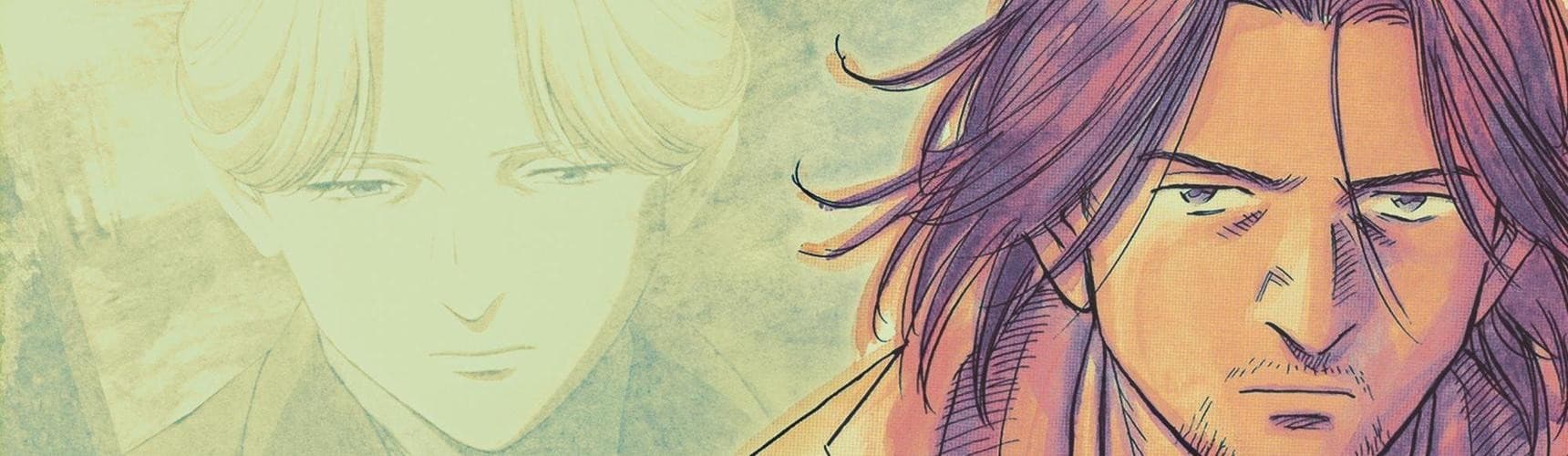
The main character in this piece of fiction is definitely the 'monster' whose alleged name is Johan Liebert, or at least that was what he is called because according to him, he does not have one. Nonetheless, Johan is considered to be a monster by everyone who encounters him. Every other character only exists as supporting characters for Johan Liebert including Doctor Kenzo who is given the lion's share of screen time in the entire series.
The monster was dying to have a name.
So the monster made up his mind, and set out on a journey to look for one.
Doctor Tenma represents qualities of love, empathy, and justice. He is merely a grounded character to remind us the viewer what a human is supposed to be and act like.
In the story he feels immense guilt from saving what he considers a monster and the basic plot obsentibly centers around him trying to put down the monster he saved and enact justice.
What actually is a monster?
a large, ugly, and frightening imaginary creature. -Oxford
Strangely Johan does not match any of these qualities at all.
Johan is a regularly built individual that is handsome and well-liked by many and he is definitely real. But throughout the series, he has definitely earned the right to be called a monster. And he terrifies people based on not what he does, but on what he represents. We are also introduced to the dilemma of whether we should call Johan or his creators the real monsters.
The most harrowing of all is how each of the supporting characters slowly shows parallels to Johan. Each is either broken in some way or slowly driven to madness through their individual obsessions whether be it love, ideals, or ego. Reminding us that nobody is off the table when it comes to the possibility of being another monster.
At last he had found a name, but there was no longer anyone to call him by it.
Such a shame, because Johan was such a wonderful name.
This series is definitely a really open-ended story not only in its ending but from the various plots that happen in between. It does not hold your hand and spoon fed you what you are supposed to infer and take away from it. Ideas about morality, psychology, love, justice, and many many more are explored meticulously and subtly throughout the series. Therefore in my humble opinion to criticize it for its 'bad exposition' or 'lack thereof' is clearly entirely missing the point of what experience Naoki Urasawa is trying to craft and ultimately what Monster is meant to be:
A harrowing exploration into the human condition and what it means to be a monster
56 out of 57 users liked this review
