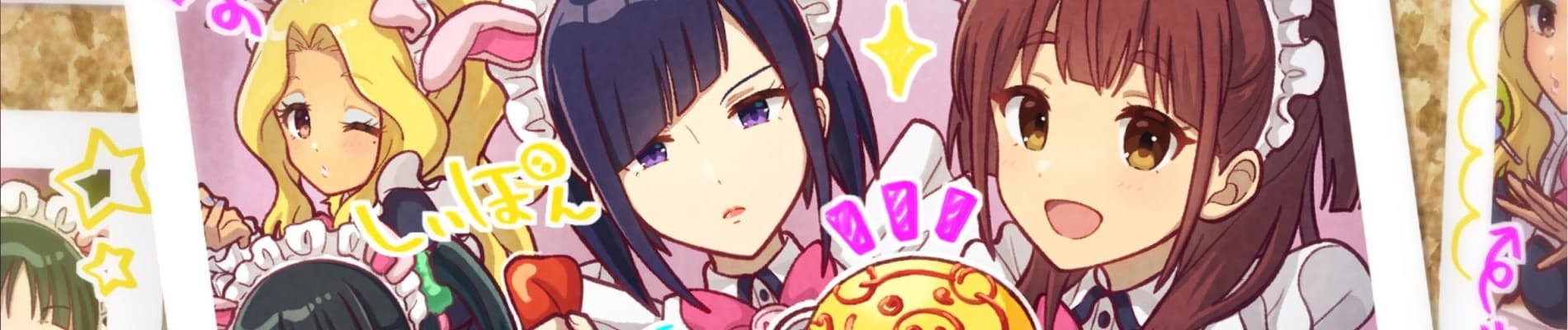
This series is obviously attempting to make a mark by blending two incompatible things: Yakuza and maid culture. The extreme distance between these two worlds could well be a spark to ignite something incredible, so I won't fault the development team for the idea's genesis. However, a cynical part of me suspects that the bigger reason is to maximize appeal to a target demographic (Age 15-30 men) by incorporating the uncomfortably violent and unbearably cute natures of these worlds. Setting aside speculation at the motives behind the creation of this series, I'll address the series itself.
SPOILERS FOR EPISODE ONE BELOW
____
There are two main plot-lines, each steered by one of the two main characters. Ranko is a nearly-middle-aged woman who has recently been released from prison for (we are left to assume) a number of murders. She is blunt, emotionless, and exceedingly capable of extreme violence. It is not clear initially if her occupation as a maid is a cover or her desired occupation. The finale of episode one involves dozens of murders in a single shootout, traumatizing our other main character, Nagomi, in the process. Nagomi is a 17-year-old newcomer to Akiba, who is now embarking on her dream of becoming a maid in a maid cafe. She is bright, optimistic, easily shaken, and single-mindedly dedicated to the cuteness of maid work. The show quickly tells us that the entirety of the maid cafe scene in Akiba is a giant Yakuza racket, and Nagomi is thrust into this violent world unprepared.
____
SPOILERS FOR THE REMAINDER OF THE SERIES THROUGHOUT
____
Every episode focuses on these two plot threads: Nagomi's dogged determination to keep her happy dreams of being a maid alive; and the constant threat that Ranko's presence or the cafe's status as bottom-rung will leave the cafe closed and/or all of its maids dead. The actual plot belongs to Ranko and her past ties to the current Yakuza scene. The episodes that take their cues from Yakuza stories and develop this plot are easily the strongest of the bunch and pack the most emotional weight. The ending theme, the character tropes, and the revenge narratives are all put to great use here, but the extraordinary violence is shocking even for stories in that genre. That the violence often feels arbitrary and overwhelming but is mired in comedy or casually set aside is perhaps the most upsetting part. Dozens of women are suddenly killed and only two of those massacres result in ongoing revenge plot lines; the rest are largely forgotten fodder cut down in their youth. I found the almost uncaring attitude towards violence to be the second-most difficult part of this series to stomach. My biggest issue, however, and the main reason that I think this series doesn't quite hold together (especially at the beginning), is that all the story beats that are centered on Nagomi and the other maids enjoyment of their maid duties feel far weaker because they have to contend that all these women either: prefer unrestrained violence or are prepared to unleash nearly unthinkable violence in order to continue as performers/waitresses (instead of leaving). Most of the other maids are shown to prefer the pure power and their maid jobs are a shallow cover for that, but Nagomi's adherence to the purity of the maid aesthetic and (completely reasonable) distaste for violence do not mesh well with the world around her. That she has not died a dozen deaths at the end of the twelfth episode is purely due to Ranko or her friends' interventions. Functionally, her purpose as a guiding light to the other maid's enjoyment of maid work works fine, but pales in comparison to the power or weight of Ranko's plot beats. Ultimately, I think about 40% of the show is good, 30% is functional, and 30% feels pretty weak. The only non-Ranko-centric episode I thought was truly outstanding was episode 3, with episode 8 coming in second. Episode 3 covers a full character arc for Zoya, establishes Ranko's inner character as something other than the Terminator, and opens and closes a whole chapter in the 'save the store' saga. I think this is the single best mixture of the maid and Yakuza themes, and every other episode either focuses on the strong Yakuza narrative or floats by on comic energy and a relatively shallow character exploration. Episode 8 is, in my opinion, the best single Nagomi-focused episode (even above the final arc) since her determination in the face of violence is recognized by friend and foe alike and ultimately changes a number of minds (but not all). The epilogue seems to imply that Nagomi's dogged determination (and the sudden shift in Yakuza power at that scene) has transformed the Akiba scene into its most pure form as entertainment and has freed it from its shadowy shackles. This feels (like a number of things in the series), a bit too convenient to feel truly satisfying.
Overall, I enjoyed the series, but the oil-and-water themes of Yakuza and maid culture mixed here rarely stayed combined long enough to feel truly unified. There are some particular highlights, but they sit alongside a number of lackluster plot beats. If you have a particular affinity for maid culture and are desensitized to excessive violence or are a fan of 'battle girl' anime, this will probably be up your alley. However, I think there are better examples of mafia stories (91 Days) or anime focused on moe out there.