My first review of Komi Can’t Communicate did not address what was distinctly wrong with Komi.
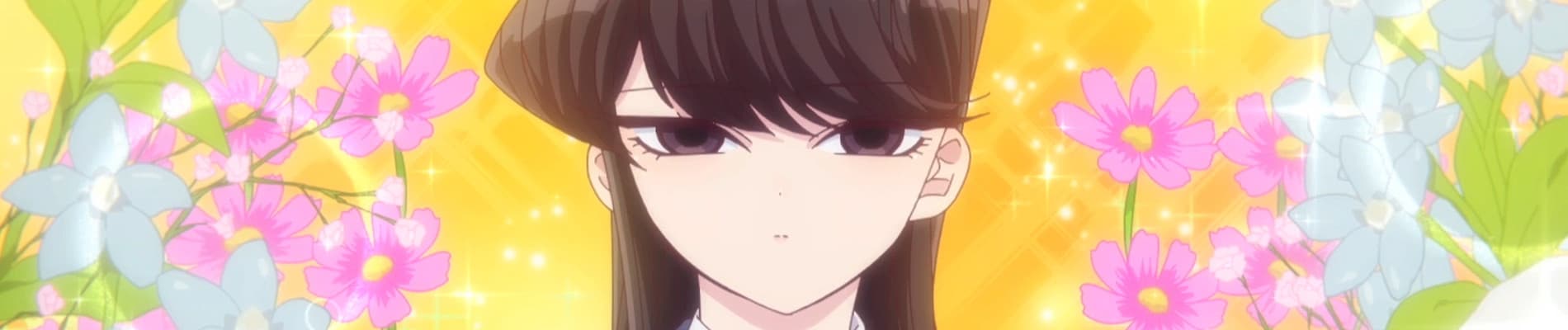
What’s wrong with Komi-san? Shallow characterization aside, her problem is that she is afflicted by severe social anxiety, and no one takes that seriously. Every episode begins the same; the narrator will cut in to tell us “what a communication disorder is.” Their definition is “Communication disorders cause difficulties in communicating with others.” If that reads like gibberish, it is. They’ve not researched mental disorders for a show that preaches about anxiety and in turn created an offensive portrayal of anxiety. Komi’s perspective is reduced to close-ups of her one vacuous expression. Not every anime will have accurate portrayals of mental disorders, but you’d expect effort or believability, at the very least, when it’s the center of the show. The writers pay lip service to mental disorders and then dodge the issue by turning Komi into a gibberish-speaking chibi caricature. The show’s humor more frequently comes at Komi’s expense; everyone misunderstands her. Even cats and children are afraid of her because of her anxious demeanor. Her inability to communicate causes her misfortune, such as dropping a pencil and being unable to ask for help, played for laughs. Similarly, she cannot voice her discomfort a particular creep attempts to force her into sexual situations—I can't emphasize enough how awful this is.
Despite including a fair bit of drama this season, Komi-san never articulates how its titular character’s disorder affects her mental health and vice versa. Her peers treat her as flawless, and the show intends you to view her as an angel; that’s why no one comments on the expectations for her to be perfect, like a hollow porcelain doll. The emotional turmoil caused by social anxiety in high school is a compelling idea they could’ve covered. Handled properly, it’s ripe with opportunities for cringe comedy; watch “Welcome to the NHK” for a better example. But, they’d instead glorify communication disorders and make stalking jokes. It’s hard not to see Komi’s communication disorder as a gimmick and superficial quirk. It is a blatant means of making her seem like an original, thoughtfully written character through silent gazes drawn with expert attention to detail. Komi’s mother notes her daughter is afflicted with something, yet she never attempts to help her. She could’ve gotten a speech therapist, yet she ignores the problem and says, “girls her age are so weird.” No, it really is your fault. I know what it’s like for people around you not to take mental disorders seriously; it’s maddening, not cute and wholesome.
There are flickers of life in the Komi and Tadano’s relationship, but only despite the various other ensemble pieces. As I mentioned in my review of the first season, there was a creepy aspect to their relationship that is thankfully gone now. The vignettes of saccharine interactions between the couple are pleasant, like Komi dropping her pencil in class and Tadano sparing her the embarrassment of a teacher asking for help by purposefully dropping his. Halfway into the season, a self-contained narrative allowed time for Komi and Tadano to be alone when he falls ill. She takes care of him; though it’s a generic story beat that almost every romance anime utilizes, it’s pleasant. The goal to make 100 friends is practically an afterthought, replaced with a slow-paced cliched romance. In typical anime rom-com fashion, right before the friendship blossoms into romance, a contrived plot device prevents any development. The little progress made through this cour is minimal; however, romance was never the primary purpose. It was always about the side characters just as much as Komi.
Fan-favorite characters return this season, such as stalkers one through five, boob woman, competitive girl, chuunibyo caricature, and perverted males! A new recurring gag about four perverted guys who sit in a circle at school and imagine dating their female classmates. These sequences pop up at random, serving no comedic purpose. They only exist for the viewer to vicariously live through them, adding to the bullshit quota you must endure to reach the comedy. You can skip those scenes and lose nothing.
The rest of the side-cast continues to fight for Komi’s attention: Breathing heavily, exasperated panting, and slobbering at the sight of her. And, of course, Yamai—who exists as a reminder of why I would never recommend Komi-san to any normal person. Even though she’s in every episode, she only gets worse and actually has negative character development. Yamai drools at her desk dreaming of Komi’s panties, leaning into every homophobic stereotype about lesbian women. Suddenly, she briefly realizes Komi is more than an object of her sexual desire. The show’s attempts to make us empathize with Yamai are almost as disturbing as when she snaps pictures of Komi’s panties. Immediately after her epiphany, she says the creepiest line written in the anime. “I’ll finally be inside Komi.” Surely it’s among the worst lines her voice actress spoke (and she says it more than once). It’s a marvel why they chose one of her scenes for the best sakuga cut. Speaking as someone who suffered through two seasons of Yamai, I suggest you skip these parts too.
Komi-san continues to spawn more oddball characters to keep the gimmick of ’a quiet girl in a school full of weirdos’ from growing stale. A narcissistic boy, a push-over, a short-tempered girl, and a tough-as-nails-looking shy guy, to name a few. None of them add a point of empathy or humor that the show hasn’t done before, but a couple were at least better than the horde of weirdos collected from the first season. I didn’t mind Katai, the friendly guy often mistaken for a delinquent, because his recurring joke wasn’t centered around obsessing over Komi; he was simply good pals with Tadano. While her presence is brief, the girl with a short fuse is quite relatable for how easily frustrated she gets by daily misfortunes. Both of these students still idolize Komi, albeit less creepy.
Every issue I had with the first season’s visuals persists in this one, especially the annoying manga text boxes placed right on screen. Artistically, this is a drastic downgrade from the first season. A handful of sakuga cuts pop up once in a while, but it was clear that OLM had to outsource certain parts in the subpar art quality and lack of animation. A few noticeable animation glitches stood out here and there, but if you want a collection of meme-worthy poorly drawn faces, watch the tenth episode. The Valentine’s day episode would’ve been a highlight of the season had it not been for the massive quality drop-off.
As for the soundtrack, it’s recycled. Despite the calming melodies, the repetition lessens its relaxing effect. Although the opening and ending are solid, they don’t compare to the first season’s exquisite themes. From a visual standpoint, it is noticeably worse than the better Spring comedy sequel, Kaguya-sama, which has far more varied and dynamic shots, fluid character animation, and detailed background art.
One addition I appreciated was the post-credits scene at the end of most episodes. It’s a bonus joke that’s easy-going rather than mean-spirited. Still, it boggles my mind how many consider Komi-san the gold standard for comedy anime. Does Komi-san’s second season improve on the first? Well, not really. It’s better in some areas, such as the subtle romantic development, and a downgrade in others, like the worsening side characters and declining production values. If you liked the first season, you’d probably enjoy this one. Everyone else, it’s not worth a second chance.
17 out of 23 users liked this review