An Authentic Depiction of the Human Experience: Welcoming Love, Accepting Loss & Understanding Shogi.
Introduction
It’s difficult to articulate with words to describe my love for March Comes in Like a Lion. Before this review properly commences, I have to empathise you don’t need to understand or even learn Shogi to love this manga. This is not a sports manga, but the sport of Shogi is used as a vehicle to explore these flawed characters and explore key themes. The central theme is depression and striving to recover from that loss. Rei Koriyama is a realistic portrayal of a teenager who is socially reclusive and has many emotional scars. His relationship with Shogi is one of the most fascinating aspects of the series. It isn’t simple, I love It and now I hate it situation. It’s so grey and complicated. Both Rei’s biological father and foster father loved Shogi and that influenced how he interacted with the world and particularly his foster family. The more his foster father congratulates him, the more self-isolated he becomes with that family. It continues this ongoing cycle of bullying. Laying it out in that fashion this should be a depressing series. As Shogi was the reason why he becomes isolated however it’s the reason he continued to live as he’s a professional. However, that couldn’t be furthest from the truth. It’s one of the most heartfelt and hopeful series I've encountered.
Tone
The fundamental reason why this series so wholesome and uplifting is the contrast with the Kawamoto family. One day Rei was drunk, Akari helped him and took Rei to their home. This family environment and warm setting serve as a beautiful contrast to the demons inside Rei. Through Rei’s consistent visits to them, both teach each other values about life. Rei for the first time after decades has learnt to confront and strives to become a better person as a result. He becomes a part of the family. Like all depression, that state will circle back on random occasions, and it portrays it authentically.
Characters
The manga is filled with a nuanced side cast from Shimada, Nikaidou, Souya, Hinata, Kyouko and many others. In some chapters, we just follow these characters’ daily lives and it’s one of my favourite bits of the series. One of the biggest advantages of the series is how it feels so alive and immersive. This is most likely due to the excellent art and writing on display.
Art
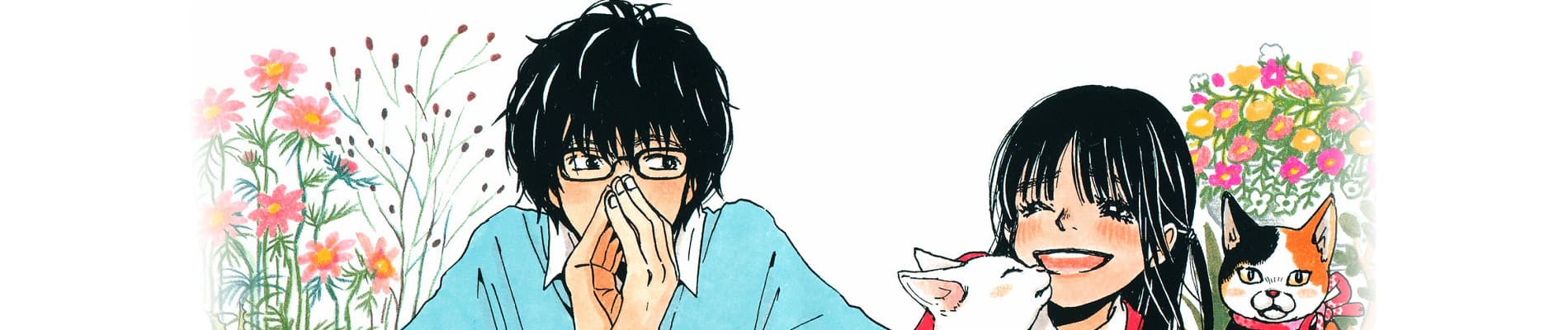
Chica Umino is one of the best artists that’s currently working. Sure, her art isn’t close to photo-realism, but she understands the medium she is utilising extremely well. The author depicts emotions so authentically, and captures tones beautifully, whenever there are matches the imagery on display is gorgeous. She fills the page more than most authors yet rarely it feels cluttered. As the panel work on display is genius.
The biggest advantage of using Shogi is that the author uses it to observe how we play the game of life. It’s an expressive sport beyond it 81 squares. You get transported into the minds of these characters and it’s a riveting experience. How an individual is playing is reflective of their personality. It becomes more than just pieces on a board. It's used to explore and develop characters to such a deep extent.
Conclusion
In conclusion, March Comes in like a Lion is a series about loss. It's so poetic from a writing standpoint and artistic perspective. It’s one of the most wholesome pieces of work I’ve experienced. One of the authentic depictions of depression, the cast is lively and wonderful, the slice of life is beautiful and finally showing how taking bold moves is worth taking in the context of Shogi and life. It’s a beautiful series worth experiencing.
55 out of 55 users liked this review