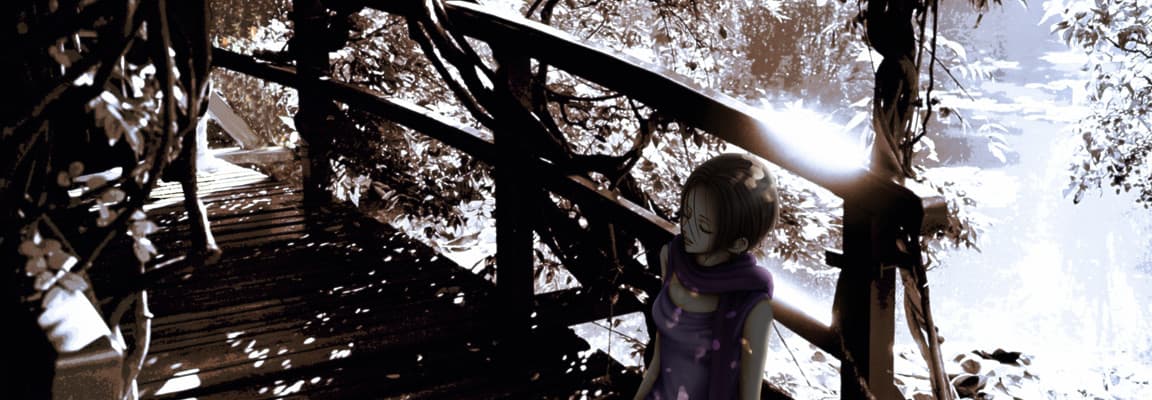
("Nana" - the show, Nana - Nana Osaki, Hachiko - Nana Komatsu)
Step into the world of “Nana”, where the power of love and relationships takes center stage. With its unapologetic approach, Nana is a rollercoaster of emotions, exploring the messy and often problematic facets of love with a daring and incisive touch. Creator Ai Yazawa fearlessly tackles these sensitive subjects, crafting characters and relationships that are rich in nuance and depth, never shying away from the harsh realities of love. Immerse yourself in a story where love is not a fairy tale, but a complex web woven from heartache, passion, and bittersweet memories. “Nana” left me breathless and begging for more.

“Back then I was desperately seeking to be strongly tied to someone, with a knot that would never come undone. But people can’t just be tied together, they have to connect. Otherwise they’ll find themselves bound hand and foot.” – Nana Komatsu
“Nana” delves into the heart of what makes love so complicated and messy. The unrealistic expectations we place on our relationships, and how they are shaped by both internal and external forces, create a perfect storm of emotions. This series is a candid reflection of reality, where not a single relationship is without its flaws and challenges. With its raw and honest portrayal of the intricacies of love, “Nana” shows us that in real life, relationships are far from perfect, and require a delicate balance of chemistry, communication, and a dash of good luck to thrive.
The show introduces us to two women, both named Nana (Hachiko and Nana from now on), with vastly different perspectives on love. Hachiko is a hopeless romantic, constantly searching for the perfect relationship, while Nana is closed off and only has eyes for her "one true love", Ren. But their lives are forever entwined, as the story reveals the messy, complex and ever-evolving nature of love. Hachiko's idealistic views lead her down a path of toxic relationships, while Nana's fixation on Ren hinders her ability to open her heart to anyone else. But as their paths cross and their bond grows, “Nana” transforms into a messy love story about the two women, and their journey towards self-discovery and understanding what love truly means.

Two years ago, I started watching "Nana" and dropped it early on, as I believed it to be just another instance of the anime industry queerbaiting. However, after revisiting the show and experiencing it as a very different person, I came to understand what I see as the true heart of the story - a developing romantic connection between two women. The anime felt like a subtle, yet powerful, push against heteronormativity. In the midst of Hachiko's complicated relationships with Shouji, Nobuo, and Takumi, there was only one that felt authentic and rooted in true love: her relationship with Nana. Nana's declarations of affection for Hachiko are evident and numerous, whereas Hachiko's feelings are not as explicit. Nonetheless, I believe that Hachiko’s character is constructed to be a view into the blind acceptance that the “traditional relationship” is between a man and a woman. Overall, "Nana" serves as a critique of societal norms and proposes the idea that love knows no gender boundaries.

"Hey, Hachi. People always say that you only discover how precious something is after you lose it--but I think, you only really recognize it... when you see it a second time face to face." - Nana Osaki
“Nana" explores the complexity of love through its rich character development, showcasing the influence of our past experiences on our perspectives and handling of love. The series masterfully delves into various facets of love, making it a thought-provoking and emotional journey. Outside of the main two, there is another character dynamic that was both concerning and meaningful, Shin and Reira.
Shin/Reira:
In "Nana," Shin is a character that initially elicits caution and apprehension. A 15-year-old involved in prostitution, Shin's backstory reveals the root of his actions. Raised in a dysfunctional family, Shin was abandoned and left to fend for himself, leading him to seek out a sense of maternal love through the sexual transactions he engages in. This behavior highlights the serious consequences of a lack of proper guidance and love in one's upbringing.
His relationship with Reira is the biggest aspect of their characters, as she too is in search of love and affection, using Shin as a means to cope with her loneliness. The show leaves off with their relationship unresolved, and I am left to take an educated guess as to how it develops before I read the manga. With how other things have been handled in the show, I believe that the two will likely confront their interpersonal reason for this relationship and cut it off because of how unhealthy and immoral it is.
Fortunately, this show handles Shin and Reira's relationship in a responsible and non-justifying manner, avoiding any glorification of the damaging dynamics at play. Instead, it highlights the dangers of seeking love and acceptance in unhealthy ways, particularly for minors like Shin.


“It’s dangerous here. If you stare at the stars long enough, you start thinking you could grab one, and you get this feeling like all your dreams will come true.” – Shinichi Okazaki
Another aspect of the show's characters that I find special is how it reveals the essence of humanity through the art of contradiction and hypocrisy. These contradictory moments serve as a mirror to the characters' souls, exposing the raw, unvarnished human emotions that reside within. When tempers flare and emotions run high, characters unleash their innermost thoughts, pointing fingers and calling out one another's mistakes and flaws. However, in the heat of the moment, they often forget about their own shortcomings, revealing the very human tendency to project and externalize one's issues. These emotionally charged scenes are like a storm, clearing the way for introspection and self-realization. In the end, they add depth and complexity to the characters, making them feel all the more real.

"Nana" is a remarkable show that holds a special place in my heart even though it remains unfinished and may never be completed. The bond between Hachiko and Nana resonates with me deeply, reminding me of my own personal journey of discovering my sexuality. Despite their relationship never being fully realized, their affection towards each other has a strong impact and can likely be relatable to many in the queer community.

“When you fall in love with someone, you want everything from them. Its only natural to feel that way… but real love can only happen when you want what’s best for the other person and never ask for anything in return.” – Nobuo Terashima
Overall, this was a story that will leave a lasting impact on me. It fearlessly tackles the complex and messy nature of love and relationships, showcasing the different perspectives and experiences that shape our views. Through its rich character development, the show explores the influence of our past, the dangers of seeking love in unhealthy ways, and the importance of proper guidance and affection in our upbringing. The bond between Hachiko and Nana is a standout aspect of the show, serving as a critique of societal norms and proposing the idea that love knows no gender boundaries. This emotional rollercoaster is a thought-provoking and memorable journey, leaving me breathless and begging for more. Despite its incomplete state, "Nana" will forever hold a cherished place in my heart and be remembered as a poignant and impactful work of art.

“In the end, people are all alone, and no matter how close they cling together, they can never be one. It’s impossible to make someone belong to you.” – Yasushi Takagi
36 out of 37 users liked this review
