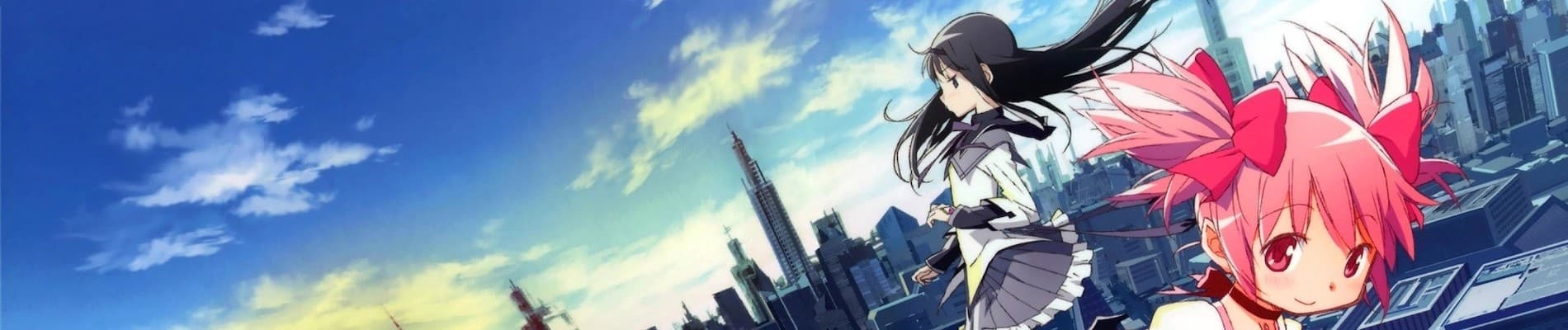

Puella Magi Madoka Magica: ayo wtf is going on here

The "Mahou Shoujo" genre is one that I've always known of, but never really bothered to learn more about it. My little sister watched a lot of PreCure growing up, and I've watched both seasons of Machikado Mazoku, although that series leans more into its satirical comedy elements more than the traditional Magical Girl tropes. So when the first two episodes introduce you to the world, its protagonists, and their main enemies, you feel like you've got the show basically figured out. Sure, everyone online says that the show gets super dark, and this artstyle in the Witch's Labyrinths can get really freaky at times, but it can't be that gruesome, right?
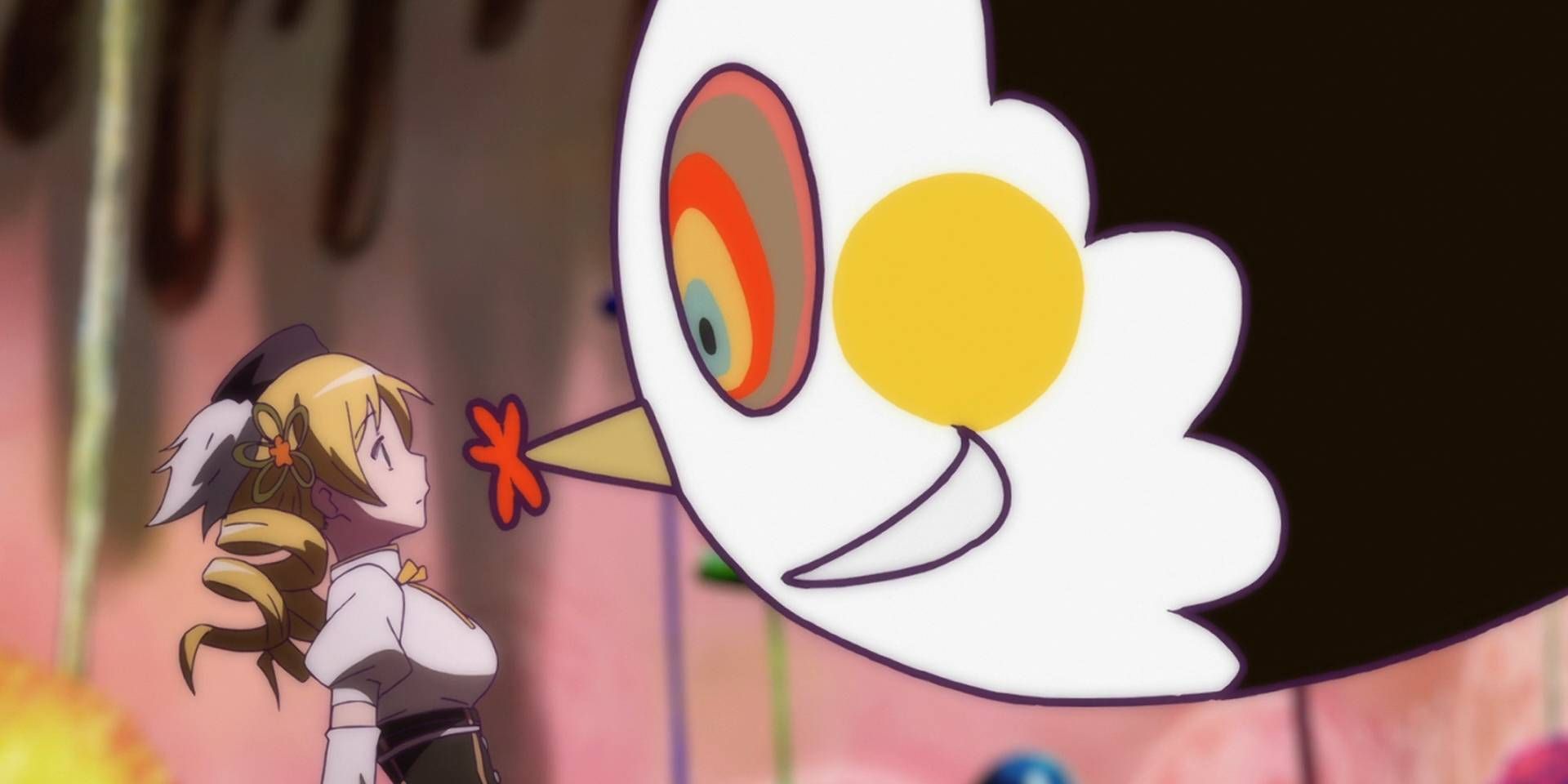
And then episode three happens.
Ah, yeah, I wasn't expecting that. That's a pretty big plot twist, and this new ED feels much more sinister (gives me Re:Zero vibes). The music carries a feeling of melancholy, as if to say that the things that are happening are way too hard for any person to bear, let alone middle schoolers. The fragility of human life in this show is something to notice and the cost of taking up the mantle of "Magical Girl" has some really nasty implications. We begin to learn that those that have sworn the duty of "Mahou Shoujo" are indebted to a life of servitude, though it is a life that isn't meant to be very long. These girls will never know of freedom every again, and the likelihood of their desired wishes to be twisted and turned against themselves is very high.
Episode six further introduces us to the rules of this world. We see more Labyrinth environments, which were masterfully done by Gekidan Inu Curry. It really portrays the inner despair of the witches and how their inner worlds are filled with turmoil. My personal favorite design has to be of Oktavia von Seckendorff, which is just dripping of symbolism and really brings home feelings of lost love and resignation to an inevitable outcome.

I'll mention now the (unintended?) genius behind the title "Puella Magi", as explained here:
Spoiler, click to viewclick to hide
"As-is, "Puella Magi" translates to "Girl of the Sorcerer". Events of Episode 8 suggest that it may indeed be intentional. Disregarding the verbal gender of "magi" (male mage), when interpreted as "girl [form] of the sorcerer", it fits very well with the fact that Puella Magi are immature forms of witches. It even preserves Kyubey's pun in original Japanese to some extent, although a witch would be more conventionally called "malefica" in Latin, rather than "magus". If interpreted a different way, "the sorcerer's girl", it implies that the girls are being used - which they are, by Kyubey." -Puella Magi WikiI've gotten really invested learning more about this carefully crafted world that feels much more vast than what we as viewers can see. I love that the show will constantly explore the theme of "everything is not what it seems." What vital info has been withheld from us? Who is on our side, and who is against our best interests? What does it mean to attain that which we truly desire? Just who the hell is in charge of this place, and can I speak to the manager?!?
There are moments when I really questioned the purpose of why the the main cast had to face such dramatic circumstances, and at times I felt that the story was unnecessarily sad and cruel at times. At one point in time I compared the character writing to that of Shakespearean tragedies. One such element that I feel mimics playwriting is a phenomenon known as "Hamartia", which means "tragic flaw". Each of the girls have their tragic flaw that inevitably led to their demise in one timeline or another. Whether that flaw be a Savior Complex, co-dependency, or lack of processing past trauma, everyone had their own battles to fight.
PMMM is a must-watch show. The collage style art can appear jarring at first (think: Flowey's True Form levels of jarring) and the back-to-back waves of depressing events that transpire can feel a little too heavy sometimes. However, it is evident that there was a lot of care and consideration put into creating this adaptation. The animation, the expressive voice acting, the soundtrack, the scene composition, the banger ED, the plot twists, and an ending so wild you would never predict it. At only 12 episodes with an average runtime of 23 minutes each, this anime has a lot to say, and you as a viewer are going to sit your ass down and listen.