PREFACTION
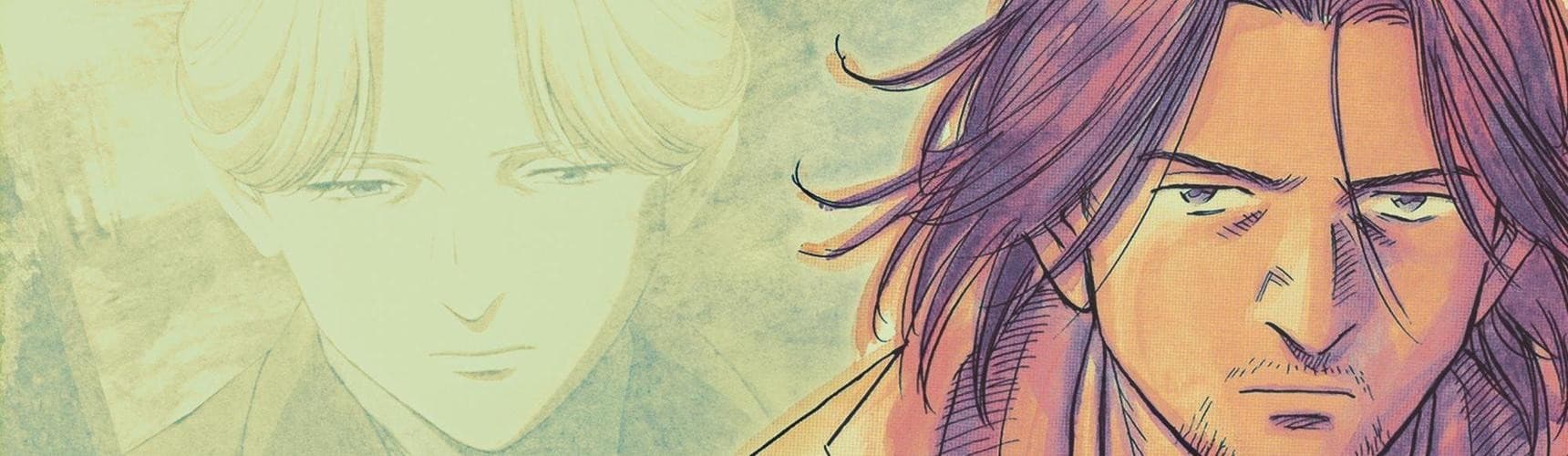
This review will present my personal opinions (objective and subjective) on the Monsters series, a thriller from the early 2000screated by Urasawa.
In general I have to say that the anime largely met my expectations, clearly we are talking about a product high level that touches on many important and current topics.
PLOT
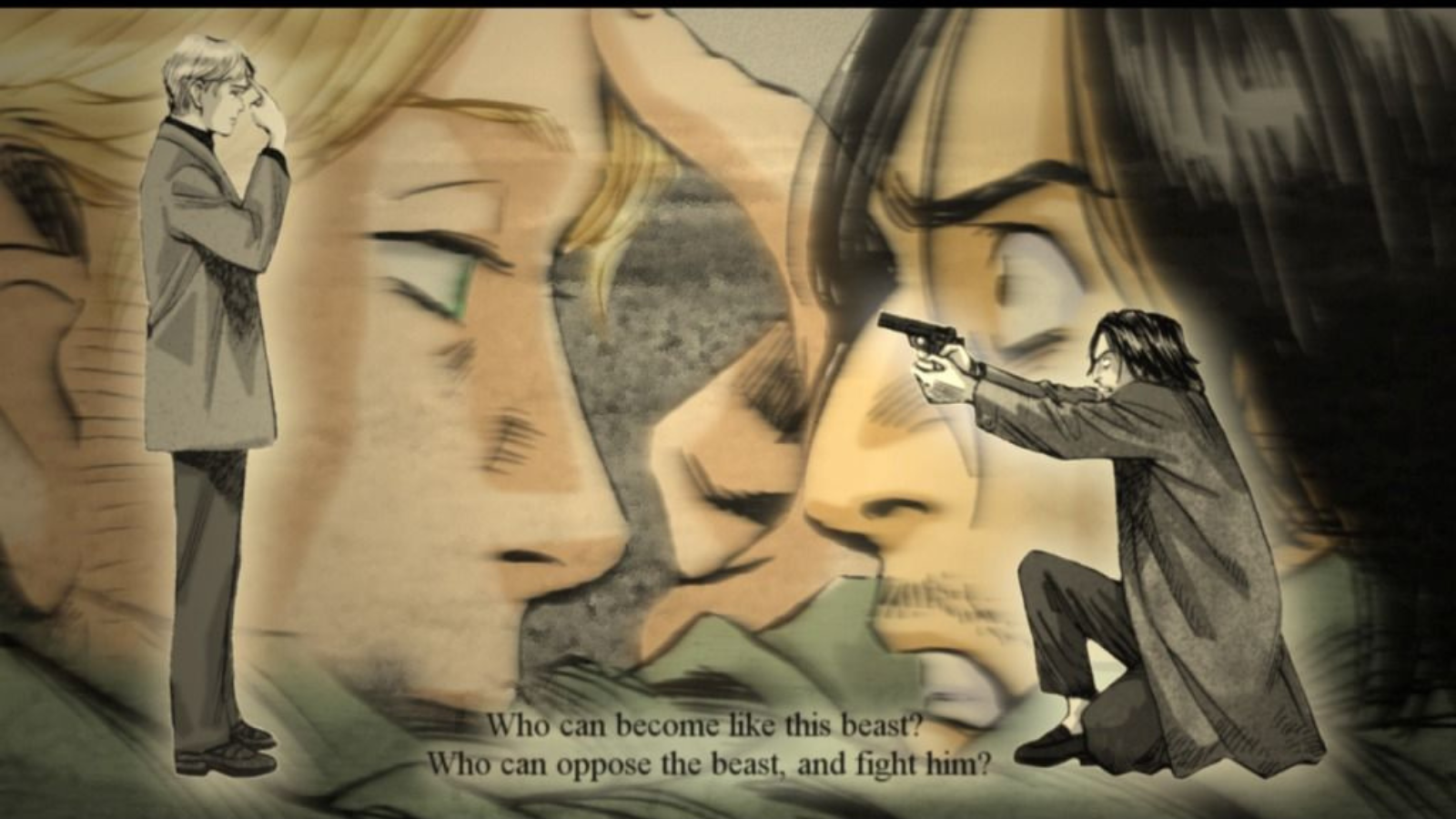 The anime begins in Germany, where Dr. Kenzo, an excellent neurosurgeon, after having chosen to save one patient rather than another, will see his life change completely.
The series is quite long (74 episodes), and has a fairly slow, but very pleasant beginning and unfolding of the story, early 2000s style.
The story is well distributed in 74 episodes, introduces characters and alternates plot progress and twists in an optimal way, without being
never trivial or too much, extra things are never introduced that are not useful to the plot or that are not pleasant for the viewer.
Another positive factor are the continuous surprises and the general plot that the anime reserves. While watching the show, I could hardly understand where the anime would have gone or how it would have ended, who would have died, etc... A show that keeps you constantly attentive
because it is never trivial in its development.
Furthermore, each episode, at least in the first half, presents you with situations that apparently seem normal, but which always have a disturbing or
however it manages to make the viewer anxious, like when it comes to Johan's past, Kinderheim 511, illustrated books, etc...
I find it an excellent parable of today's society, which is always represented as positive, but as soon as you dig for a moment you find all the flaws and
the issues it presents.
The settings proposed by the anime are excellent even if it is a series made 20 years ago, the drawings of the landscapes in low quality do not weigh at all, on the contrary, they are always well done and pleasing to the eye, giving a great representation of the places after World War II.
The anime begins in Germany, where Dr. Kenzo, an excellent neurosurgeon, after having chosen to save one patient rather than another, will see his life change completely.
The series is quite long (74 episodes), and has a fairly slow, but very pleasant beginning and unfolding of the story, early 2000s style.
The story is well distributed in 74 episodes, introduces characters and alternates plot progress and twists in an optimal way, without being
never trivial or too much, extra things are never introduced that are not useful to the plot or that are not pleasant for the viewer.
Another positive factor are the continuous surprises and the general plot that the anime reserves. While watching the show, I could hardly understand where the anime would have gone or how it would have ended, who would have died, etc... A show that keeps you constantly attentive
because it is never trivial in its development.
Furthermore, each episode, at least in the first half, presents you with situations that apparently seem normal, but which always have a disturbing or
however it manages to make the viewer anxious, like when it comes to Johan's past, Kinderheim 511, illustrated books, etc...
I find it an excellent parable of today's society, which is always represented as positive, but as soon as you dig for a moment you find all the flaws and
the issues it presents.
The settings proposed by the anime are excellent even if it is a series made 20 years ago, the drawings of the landscapes in low quality do not weigh at all, on the contrary, they are always well done and pleasing to the eye, giving a great representation of the places after World War II.SOCIETY DINAMICS
 The socio-political dynamics are one of my favorite factors that the anime offers. Already from the first episodes we can see that opportunism and the recommended in Kenzo's hospital they are the order of the day, in fact he himself is set aside by everyone as soon as he decides to choose what to do, not saving the mayor.
We can also see during the show many characters who, when difficulties arise, react differently from everyone, who becomes an alcoholic, who takes drugs, who commits suicide, and who faces them.
The dynamics of the time before and after the fall of the Berlin Wall (on both sides) are very well represented, with high tensions, communism, secret police and people who try to flee from one side to the other all the time.
I really like the idea of the German far right wanting to form a new leader, demonstrating that all the Nazi roots present in the country have not yet been eradicated, there are in fact many tensions between the far-right characters and the foreigners present in the territory, let's say that racism was well represented in the show.
I also really liked the representation of orphanages that were full of children of "traitors" to the Fatherland. On the east side of the wall, if you were against the ideas of the regime, you were made to disappear and your children were placed in often "special" orphanages made on purpose. The element of government experiments is also nice made with children to produce excellent soldiers/spies or future leaders of the country, with subsequent cover-up of everything (after the fall of the wall) and the search for the last
survivors of these terrible experiments.
The socio-political dynamics are one of my favorite factors that the anime offers. Already from the first episodes we can see that opportunism and the recommended in Kenzo's hospital they are the order of the day, in fact he himself is set aside by everyone as soon as he decides to choose what to do, not saving the mayor.
We can also see during the show many characters who, when difficulties arise, react differently from everyone, who becomes an alcoholic, who takes drugs, who commits suicide, and who faces them.
The dynamics of the time before and after the fall of the Berlin Wall (on both sides) are very well represented, with high tensions, communism, secret police and people who try to flee from one side to the other all the time.
I really like the idea of the German far right wanting to form a new leader, demonstrating that all the Nazi roots present in the country have not yet been eradicated, there are in fact many tensions between the far-right characters and the foreigners present in the territory, let's say that racism was well represented in the show.
I also really liked the representation of orphanages that were full of children of "traitors" to the Fatherland. On the east side of the wall, if you were against the ideas of the regime, you were made to disappear and your children were placed in often "special" orphanages made on purpose. The element of government experiments is also nice made with children to produce excellent soldiers/spies or future leaders of the country, with subsequent cover-up of everything (after the fall of the wall) and the search for the last
survivors of these terrible experiments.CHARACTER DEVELOPMENT
 One thing I really liked, besides the characters themselves, is their character developments throughout the series. Being a rather long series, we can see from halfway through that the characters begin to change, some for the worse and some for the better.
For example Dr. Kenzo becomes more gloomy and pessimistic, his ex-girlfriend becomes an alcoholic and goes with everyone, etc...
On the other hand we have characters that improve over time, for example Grimmer and Lunge, introduced as characters without any emotion, in the final part of the series we can see that they start again to show emotions, tears, etc... (the final scene where Lunge apologizes to Kenzo is beautiful).
Clearly if we talk about characters in general we go back to the previous point, the characters of the series work because they represent all the faces of society, even their changes for the worse or for the better, the only characters I feel like failing are the children, at least the main ones who follow the adults in the story, an adult normal shouldn't have made you take all those risks in pursuit of the "monster".
One thing I really liked, besides the characters themselves, is their character developments throughout the series. Being a rather long series, we can see from halfway through that the characters begin to change, some for the worse and some for the better.
For example Dr. Kenzo becomes more gloomy and pessimistic, his ex-girlfriend becomes an alcoholic and goes with everyone, etc...
On the other hand we have characters that improve over time, for example Grimmer and Lunge, introduced as characters without any emotion, in the final part of the series we can see that they start again to show emotions, tears, etc... (the final scene where Lunge apologizes to Kenzo is beautiful).
Clearly if we talk about characters in general we go back to the previous point, the characters of the series work because they represent all the faces of society, even their changes for the worse or for the better, the only characters I feel like failing are the children, at least the main ones who follow the adults in the story, an adult normal shouldn't have made you take all those risks in pursuit of the "monster".SONGS
The songs in this series are very spot on, when there is a tragic or gloomy scene to represent, the chosen song is always the correct one, contributing to the increase of anxiety and restlessness for the viewer.
Another interesting thing are the "happy" songs, i.e. those that serve to introduce normal situations or places. These passages, although positive,
have a slight out of tune for a few notes every now and then which makes the scene described, even if beautiful and flawless, slightly sinister, making you remember that there could always be something negative hidden away. Here are some examples:
-

SERIES INACCURACIES
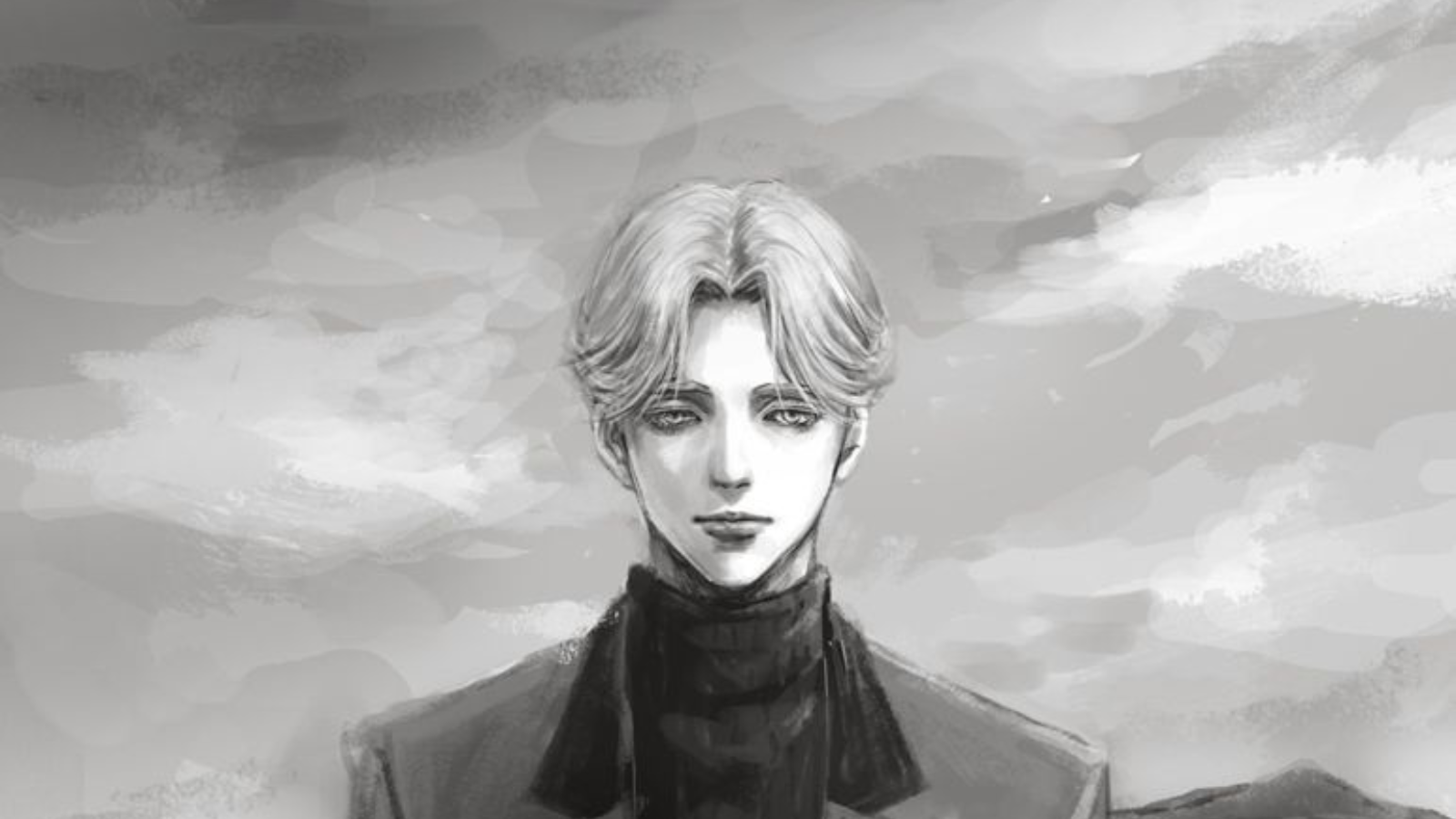 There are some inaccuracies and things that don't add up in the series, which unfortunately cost him 100 score. For example, the fact that Johan wants to kill all those who know him except Kenzo, who was to witness his final suicide. This point is brought forward at alternating points in the story, in fact Johan will not always kill everyone who saw him or interacted with him. Even at one point he will become the secretary of a billionaire and will appear several times on TV, yet he will not kill him and neither do people close to the billionaire. At the final point (of the "suicide"), there are still many people in Germany and outside who know Johan and have spoken to him (and know about the "monster"),
so his death is not "lonely" as the series suggests, because there are still many people alive who know who he is, not just Kenzo.
Another negative point of the series is the description of the "monster". Johan is rarely seen during the series, in fact we will almost always only hear people talking about him. His character comes always highly inflated about being a fiend by everyone, every person he interacted with was either traumatized or inspired by him, greatly inflating viewer expectations towards the finale.
Unfortunately, by the end, he doesn't do anything so incredible or absurd to be called a monster, I think the character has been blown up a bit compared to what he actually does.
Even during the library fire scene, he managed to get away from two people who were ready to kill him just because he scared them, but in the end he just started a fire and walked away.
The last inaccuracy is the behavior of detective Lunge, who until mid-series refuses to believe that Johan even exists, despite having seen him several times as an adult, and being told about him several times people. In all the other crimes he is a brilliant person who solves the case immediately, but for Johan he doesn't believe it exists until about halfway through the series, although many people always talk about him. from mid series onwards he returns to the brilliant detective he was and begins to work hard to solve the case as he had to do from the start.
There are some inaccuracies and things that don't add up in the series, which unfortunately cost him 100 score. For example, the fact that Johan wants to kill all those who know him except Kenzo, who was to witness his final suicide. This point is brought forward at alternating points in the story, in fact Johan will not always kill everyone who saw him or interacted with him. Even at one point he will become the secretary of a billionaire and will appear several times on TV, yet he will not kill him and neither do people close to the billionaire. At the final point (of the "suicide"), there are still many people in Germany and outside who know Johan and have spoken to him (and know about the "monster"),
so his death is not "lonely" as the series suggests, because there are still many people alive who know who he is, not just Kenzo.
Another negative point of the series is the description of the "monster". Johan is rarely seen during the series, in fact we will almost always only hear people talking about him. His character comes always highly inflated about being a fiend by everyone, every person he interacted with was either traumatized or inspired by him, greatly inflating viewer expectations towards the finale.
Unfortunately, by the end, he doesn't do anything so incredible or absurd to be called a monster, I think the character has been blown up a bit compared to what he actually does.
Even during the library fire scene, he managed to get away from two people who were ready to kill him just because he scared them, but in the end he just started a fire and walked away.
The last inaccuracy is the behavior of detective Lunge, who until mid-series refuses to believe that Johan even exists, despite having seen him several times as an adult, and being told about him several times people. In all the other crimes he is a brilliant person who solves the case immediately, but for Johan he doesn't believe it exists until about halfway through the series, although many people always talk about him. from mid series onwards he returns to the brilliant detective he was and begins to work hard to solve the case as he had to do from the start.FINAL THOUGHTS
To conclude, I can say that this is certainly a valid high level series, different from the usual shounen/drama/comedy that you usually see, it manages to capture immediately your attention and is never trivial, excellent drawings, settings, twists and passages, it certainly deserves to be seen, especially by lovers of thrillers and slightly old-fasioned animated style.
41 out of 44 users liked this review
