Innocent
a review by gabrielcht
a review by gabrielcht
WARNING: SPOILERS
The manga Innocent was written and illustrated by Sakamoto Shinichi. The series was serialized in the Weekly Young Jump magazine from 2013 to 2015. It was later followed by a sequel titled Innocent Rouge, which began serialization in 2015 and continued until 2019.
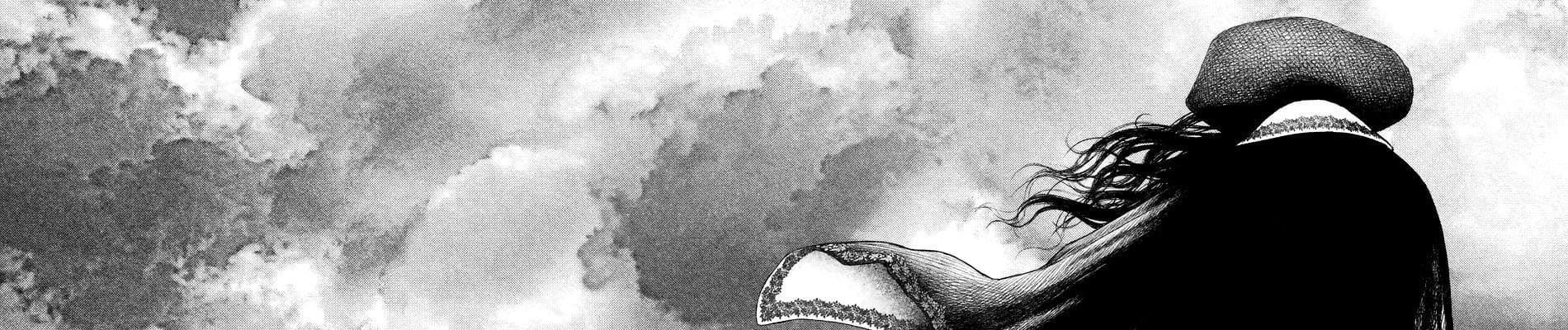
Shinichi's art style is a standout feature of the "Innocent" series. His artwork is characterized by a unique blend of realism and artistic expression that captures the essence of the 18th century France setting. His attention to historical details, such as clothing, architecture, and landscapes, creates an immersive visual experience that transports readers to the era.
Centered around the life of Charles-Henri Sanson, a historical figure who was the official executioner of France during that era, the story takes place during the reign of King Louis XV, a period marked by significant economic disparity and growing discontent among the lower classes. The societal hierarchy is starkly divided between the aristocracy and the common people, with the former enjoying privileges while the latter suffer from poverty, injustice, and political corruption.
The Enlightenment movement, with its emphasis on reason, individual rights, and freedom of thought, serves as a backdrop to the characters' struggles and ideals. The ideas of philosophers like Voltaire, Rousseau, and Diderot influence the story's themes of social inequality, human rights, and the questioning of authority.
"Man is born free and everywhere he is in chains" - Jean-Jacques Rousseau
The French Revolution is also looming on the horizon (The main theme of the sequel, Innocent Rouge), and the unrest and resentment among the common people create an atmosphere of tension and anticipation. The manga captures the underlying dissatisfaction that will ultimately culminate in the revolution and the overthrow of the monarchy.
"Accuracy is the politeness of kings" - Louis XV
In this era of change and turmoil, Innocent captures the essence of a society in flux. The historical context serves as a powerful foundation for exploring themes of justice, personal identity, and the struggle for freedom within a rigidly structured society. By embedding the characters' stories within the historical reality of 18th century France, the manga offers a touching reflection on the human condition amidst the shifting currents of history.

The relationship between Charles and his family in the manga is a complex web woven with both love and conflict, highlighting the intricacies of duty, loyalty, and personal aspirations within the context of their historical roles. Charles's role as the official executioner of France places an immense burden on his shoulders, influencing his interactions with his family.
At its core, the Sanson family is emblematic of the tensions between personal desires and societal expectations. Charles's devotion to his family is evident through his attempts to shield them from the harsh realities of his profession. His relationship with his wife, Marie-Joseph, reflects a union bound by mutual respect and understanding. While Charles harbors love for his wife, the emotional distance created by his responsibilities adds a layer of melancholy to their connection.
The Sanson children Gabriel, Richard, and Louis, experience the dichotomy of being both heirs to the family legacy and individuals seeking their own paths. Each child's distinct personality and ambitions contribute to the narrative's depth. Charles's interactions with his sons reflect his conflicting roles as both a father figure and the executor of justice. His efforts to guide them while keeping the gruesome realities of his profession hidden underscore the delicate balance he must strike.
The theme of legacy interlace throughout the Sanson family's interactions. Charles's father, Charles-Jean, serves as a formidable presence in his life, shaping his perception of duty and honor. The shadow of his father's legacy looms large, impacting his decisions and internal conflicts. The intergenerational struggle between tradition and personal aspirations adds a layer of complexity to the Sanson family's dynamics, emphasizing the weight of history and the inevitability of change.
In conclusion, the Sanson family's relationships are a microcosm of the broader societal tensions and personal struggles depicted in the manga. Charles-Henri Sanson's role as the head of the family and the official executioner shapes his interactions with his wife and children, creating a rich tapestry of emotions and aspirations. The family's dynamics poignantly illustrate the intersection of duty, legacy, and the individual pursuit of happiness within the confines of their time and societal roles.
Absolutely, Innocent is worth reading if you're interested in historical dramas with a unique art style. 100% worth it.
Bro, just read it. Some people say it has it's flaws but in my honest opinion the qualities are over and over the flaws, at a point that you just can't see some of those flaws, you know.
If you like this review, follow me, It's free :)
Thank you for reading <3

12.5 out of 14 users liked this review
