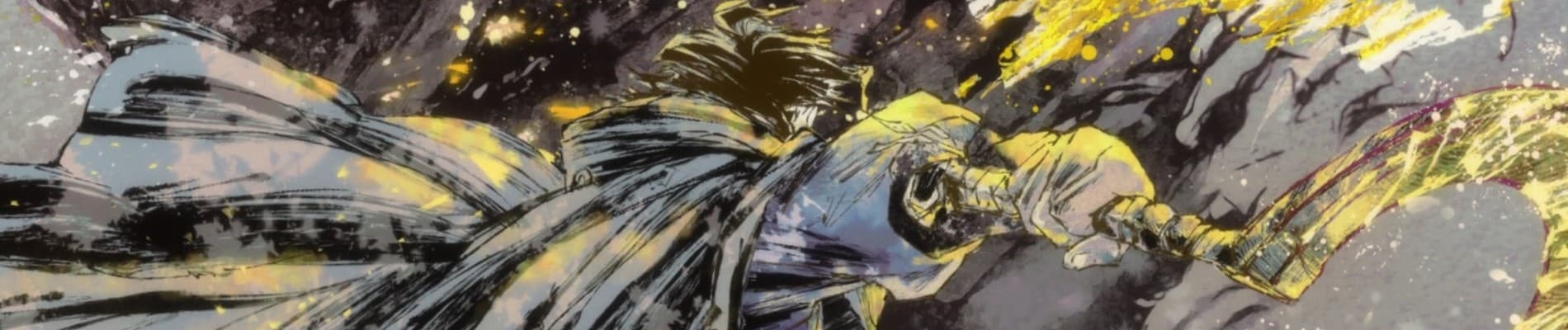

"The Fire Hunter" is a series that was designed to cater to a niche audience, and as such, it would have been a flop for the masses, even if it had a big budget and the backing of a powerful studio. However, for those who enjoy slow narratives, real emotions, and a cinematic experience that is both delicate and infinitely tragic, "The Fire Hunter" is a sublime work of art.
The series was conceived based on the 4 novels written by Rieko Hinata and directed by veteran filmmaker Junji Nishimura, who has also directed cult classics like Ranma ½ and Urusei Yatsura. The character design, done by Akihiro Yamada, who is known for his work on "Lost Continent" and "RahXephon," is both beautiful and realistic, making "The Fire Hunter" a must-watch for anime fans who appreciate absolute quality.
``
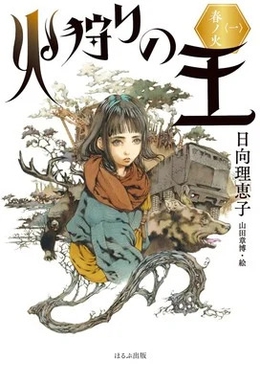
The plot of the story is quite complex and requires the viewer's full attention. The premise revolves around the idea that men have failed to use fire, wisdom, and knowledge responsibly. As a result, the divinities have punished them by taking away their abilities and making them weak and vulnerable before the power of fire.
The story takes place in a post-apocalyptic world, and the plot revolves around uncovering the events that led to the world's downfall and the future of it. One of the striking features of the story is that it launches into a strong exposition of the facts right away. This is done through still frames and drawing drafts, which give the experience a book-oriented feel, almost like a visual novel.
Despite the budget constraints, the experience of those involved in making the story makes it unique. The palettes used in the story are reminiscent of artists like Hokusai, and the opening track visually shows a lot of love for the Ukiyo-e genre.

The dialogues and characters in this work are very realistic, without exaggerating their pain or delving too deeply into their past. Everyone is afraid, and the foul beasts that surround the world are dangerous.
One of the protagonists, Koushi, asks early on in the drama, "How can we live with this fragile body?" This fragility is similar to our own, making us empathetic.
When someone dies, we cry, but life goes on.
I find this work to be unique. While it may not have achieved global success, it is worthy of a calm, slow viewing, without rushing through to see things we've already seen. I am certain of one thing: there are not many anime similar to this.
Now, it's time for the second season. I hope someone decides to translate the four novels of this Promethean journey.