>“Don’t believe in yourself. Believe in me! Believe in the Kamina who believes in you!” – Kamina
Tengen Toppa Gurren Lagann starts in a hole in the ground and ends somewhere way past the edge of what “mecha anime” is even supposed to mean. It’s loud, ridiculous, and often completely unreasonable—but underneath all the yelling and explosions is one of the most earnest coming‑of‑age stories anime has.
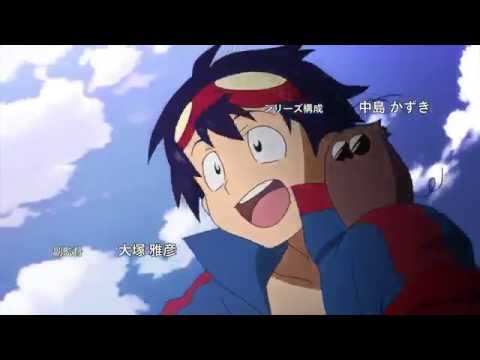
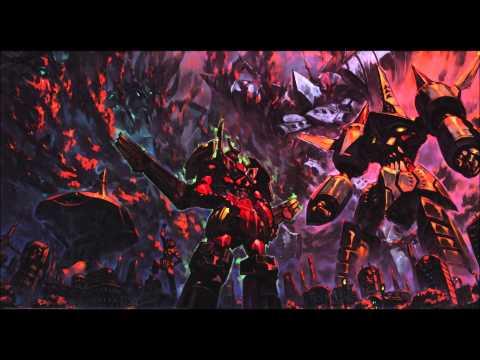
At the start, Simon is just a scared kid digging tunnels in an underground village that’s never seen the sky. He’s not a chosen one, not a prodigy, just a quiet boy following behind Kamina, a walking embodiment of confidence and nonsense who believes in Simon harder than Simon believes in himself. When they break through to the surface and get dragged into a war against beastmen, empires, and eventually something far bigger, the show tracks how Simon slowly grows from “the kid hiding behind someone cooler” into a leader who can carry that same fire on his own. The big divide everyone talks about is how the series shifts between its two halves. The early episodes are scrappy, almost grounded by this show’s standards: small mechs stealing bigger ones, guerilla fights, improvising with whatever drill-shaped madness Kamina can dream up. The back half throws restraint out the window—suddenly you’re watching galaxy-sized battles, abstract stakes, and pure symbolism wrapped in mecha form. Some people think that escalation ruins the careful buildup; others see it as the natural endpoint of the show’s “pierce the heavens” mindset. It worked for me because the emotional throughline never gets lost, even when the scale goes insane.
A lot of the impact comes from how it handles loss and momentum. The show isn’t afraid to rip away the people propping Simon up and force him to decide whether he’ll sink back into himself or stand up anyway. Side characters get more than just catchphrases and gimmicks—Team Dai-Gurren feels like a real group that bickers, mourns, grows, and keeps building on each other’s courage. By the time you reach the final episodes, every ridiculous combination attack and shouted speech is carrying the weight of all the people who believed in these idiots when they were still stuck underground.
Visually and musically, Gurren Lagann is pure energy. The animation leans into bold lines, sharp cuts, and constantly shifting, almost sketchy exaggeration that makes fights feel like they’re about to burst out of the frame. That same sense of motion shows up in quieter moments too—sunsets, open skies, and tiny gestures that remind you what everyone’s actually fighting to protect. The soundtrack does exactly what you want: bombastic tracks and rap‑choir combinations when the show wants you to scream along, softer pieces for the hits that actually hurt, and openings/endings that sync perfectly with the series’ rising scale.
Gurren Lagann isn’t subtle, and it’s not trying to be. Science gets hand‑waved, logic gets bent, and if you can’t roll with robots combining out of sheer willpower, this probably isn’t your thing. But if you can meet it halfway, it’s one of the few shows that earns its over-the-top attitude by backing it with real character growth and a surprisingly grounded message about grief, legacy, and pushing forward even when you’re terrified. It starts with one boy in the dark and ends with a universe that feels just a little bit bigger for having watched him climb.