>“Only hope can give rise to the emotion we call despair. But it is nearly impossible for a man to try to live without hope, so I guess that leaves Man no choice but to walk around with despair as his companion.” – Kagetoki Kariya
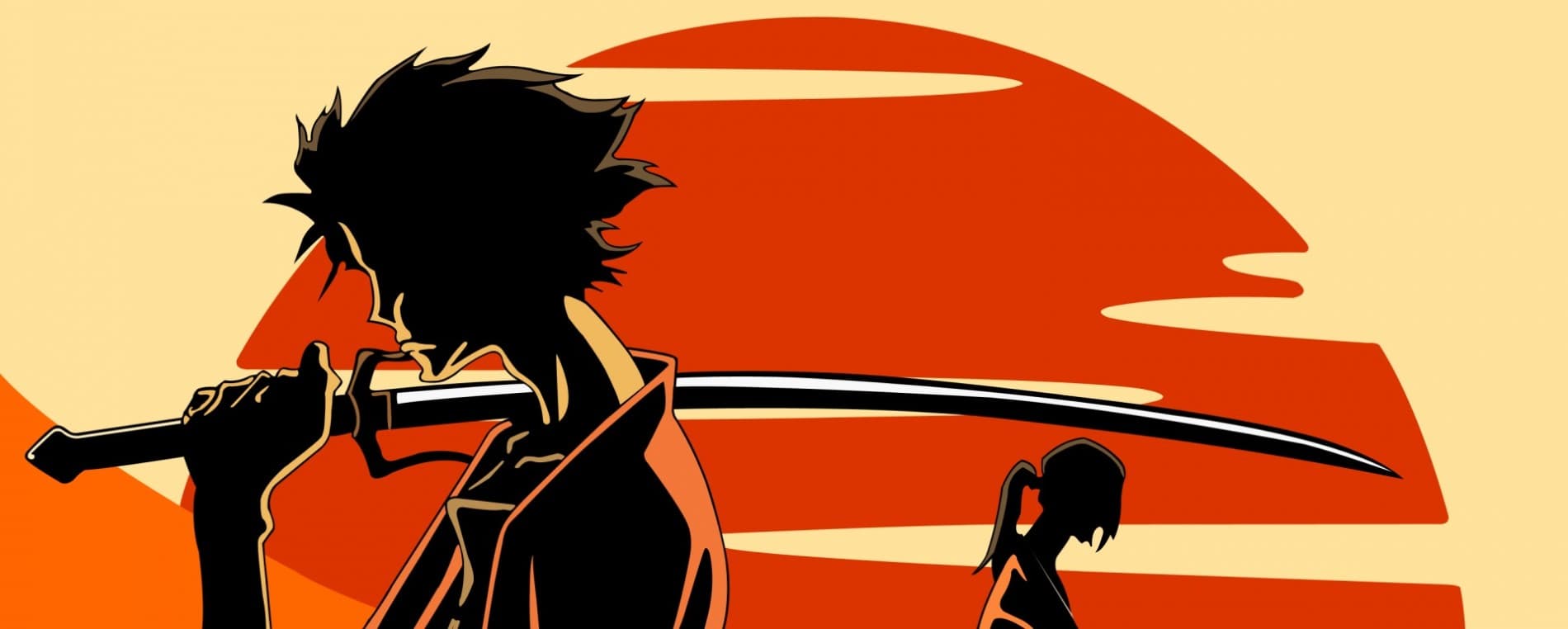
Samurai Champloo is the rare show that really means it when it says “it’s about the journey, not the destination.” It pretends to be a road-trip quest about three misfits searching for “the samurai who smells of sunflowers,” but what it actually cares about is what happens in all the messy, sideways detours along the way.
You follow Mugen, Jin, and Fuu across Edo-period Japan, but the world they walk through feels uncannily modern. One episode it’s graffiti gangs, another it’s hip-hop battles, baseball, sex work, religious persecution, or the art world’s dark corners. The anachronisms aren’t random jokes—they underline how people back then wanted a lot of the same things we do now: freedom, self-expression, a life that isn’t crushed by hierarchy. Japan under the Tokugawa shogunate is rigid, suffocating, and violently stratified, and the show keeps throwing you characters who feel like they were born a few centuries too early to fit in.
The core trio are all, in their own ways, rejects of that system. Mugen is a wild, breakdancing street fighter who doesn’t care about bushido or etiquette; Jin is a calm, technically perfect samurai who couldn’t stomach the corruption of his dojo; Fuu is a girl with no real power on paper, but just enough stubbornness to drag these two walking disasters across the country. They clash constantly—more roommates from hell than instant “found family”—and that’s exactly why their eventual bond feels so earned. They try to ditch each other, get pulled back together by circumstance, and only slowly, reluctantly admit they actually care.
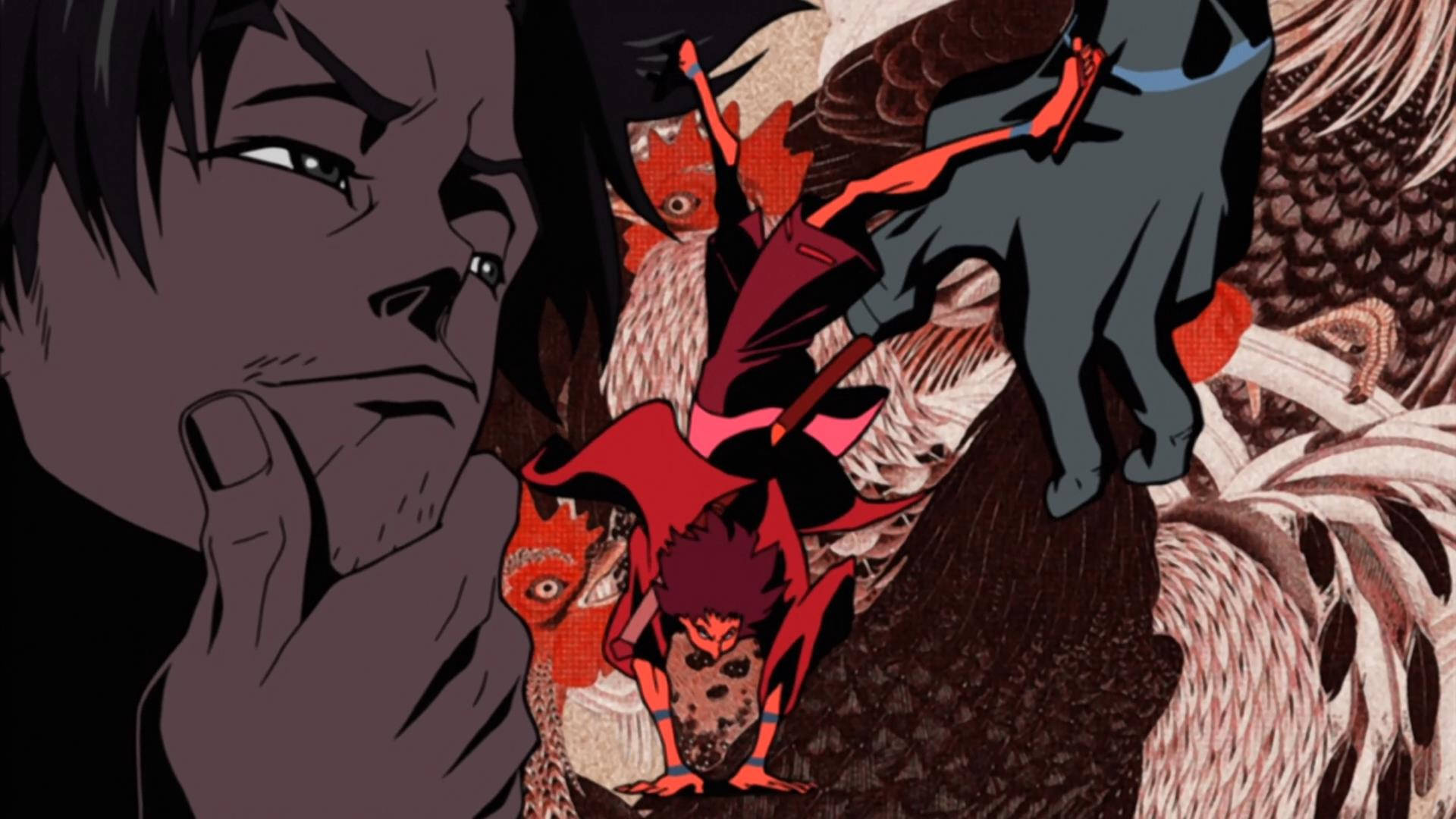
What’s striking on a rewatch is how often Champloo points out that “cool rebellion” doesn’t magically fix anything. You see artists exploited, women forced into prostitution to pay debts, gangs cozy with samurai, Christians hunted, Ainu marginalized. The show doesn’t preach, but it doesn’t look away either—it just drops Mugen, Jin, and Fuu into these situations and lets their very 21st‑century-feeling sense of justice crash into an era that wasn’t built for people like them. Sometimes they change things; sometimes they can’t. The win isn’t always victory, it’s that someone tried.
Style is a huge part of why it all works. Champloo mashes lo‑fi hip‑hop, record-scratch transitions, and Nujabes’ legendary beats with ink-brush visuals, tatami rooms, and sword duels. Fights feel like choreographed freestyle sessions—Mugen’s moves are all wild improvisation, Jin’s are precise and formal, and the directing frames them almost like dance battles. The soundtrack is still one of anime’s all‑time greats: mellow, melancholy, and effortlessly cool, constantly feeding that feeling of “mono no aware,” the awareness that everything ends and that’s exactly why it’s beautiful.
Samurai Champloo frustrated some viewers because it refuses to behave like a typical plot-driven 26‑episode epic. It wanders, it experiments, it throws in episodes that seem pointless on paper but leave behind little emotional bruises or sharp observations about people trying to breathe in a rigid world. By the time you reach the end, the sunflower samurai almost feels secondary; what stays with you is three lost people who met by chance, travelled together for a while, and managed to carve out a small, defiant slice of freedom before the road ran out.