
Cross Game
a review by hand2424
a review by hand2424
This review is spoiler-free
____
Cross Game is a somewhat old series, with a somewhat uninteresting synopsis, about a somewhat boring sport... you get it. From the "love triangle" tag under a sports anime to the non-existent fanbase or Western audience, it isn't something that shines with appeal at first glance.
I wouldn't even have tried this show if it weren't for the pity I felt towards some guy on Reddit who repeatedly begged people to give it a shot in various anime rec threads. But as an avid fan now, I can only hope anyone with similar reservations decides to take pity on me in turn and try three or four episodes.
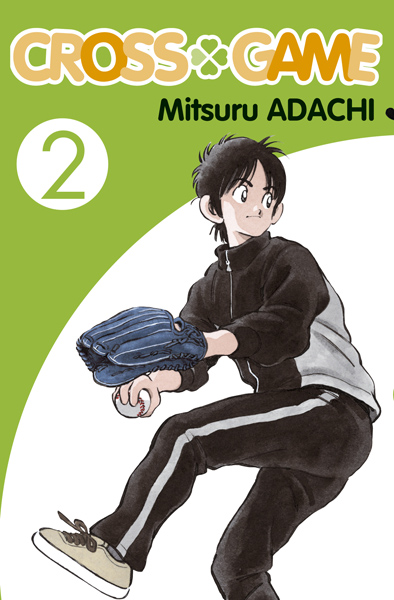
Cross Game is a high school iyashikei slice-of-life with a mellow, sentimental method of storytelling. The hype action or climactic peaks present in a lot of sports anime are missing, and baseball only serves to center the story, settings, and characters. As a "sports" anime Cross Game is incredibly lacking. Viewers unfamiliar with the rules and terms in baseball will find themselves lost at times during the matches due to a lack of exposition. Anyone expecting a thrilling, passion-filled sports show will be sorely disappointed if they watch the series through this lens. The only notable sports aspect I can think of is how they animate pitching a ball in an accurate and visually pleasing way.


--
As far as iyashikei goes, it is a delicate genre. It lacks a strong plot or flashy action and as such, the characters need to be utilized well(either by focusing on them or by focusing on the world through them) or they risk feeling generic and manufactured. Fortunately, Cross Game succeeds beautifully at this format of storytelling with a realistic and genuine main cast that is heartwarming to watch.
--
--
Romance also tends to be another genre people label Cross Game under, even more so than as a sports anime. But I am loathe to approach the series as a romance despite how much I loved the slow burn and general dynamic of the male and female leads. Cross Game works as a romance by, ironically, cutting out any expectation or romance genre cliches that often give romance protagonists the feeling of being scripted and shallow. It rarely feels like characters are doing what they do for the sake of romance.
It also takes place with a cast of people who possess basic empathy, so despite the "love triangle" tag there is a decisive lack of jealousy or contrived romance-centered plot points/conflicts. The respect the characters have for one another and their friendships make you appreciate the characters for who they are instead of for the hope of an endgame couple. The romance is optional to the characters and the story as a whole, and that makes it good. As a reference, popular examples of "optional romance" where it focuses on individual character growth would be Silent Voice or Skip to Loafer.
The humor mostly consists of everyday cheeky banter and the two protagonists fill out pretty standard tropes. Both these aspects are executed in a refreshingly organic way and I highly enjoyed the deviation from the louder, more exaggerated comedy in a lot of mainstream slice-of-life or romcom anime.
It all feels natural. These people could really exist. I see them in my own friends. I miss them like my own friends.

My biggest gripe with the series is the existence of a single side character: Asami Mizuki. Mizuki feels like he was created solely so there would be someone to carry all the character traits and cliches one wished to avoid by reading Cross Game in the first place.
In a cast full of walking & talking emotionally intelligent green flags, this guy's selfish pursuits and generally ~~pathetic~~ aggravating existence stick out like a sore thumb.
The only reason I can think of for him being written into the show is to make the male lead Kou(and every other guy) look better by comparison; a purpose I found unnecessary and disruptive.
He takes up almost no screen time though and, to my relief, not a single character gives his behavior the time of day.
At best, you enjoy his character or find him funny. At worst, you skip through his scenes. Overall, not a particularly strong deterrent given that he is completely uninvolved with baseball... and subsequently 75% of the remaining supporting cast or relevant plot.
Gendered experiences handled with grace
Most of the supporting cast is 1) male and 2) not particularly fleshed out, but the female lead Aoba is written exceptionally well. Her coming-of-age struggles are gendered in their impacts, but they are not inherently about her being a woman or about womanhood as a theme. It helps her be seen as a protagonist who viewers should be able to relate to just like the male protagonist, while also acknowledging the everyday gender differences (and sexism) that exist in real life.
The way Aoba is faced with and reacts to these moments is frustratingly relatable. There is no big, feminist trope subversion or chivalrous damsel-in-distress rescue. It's nothing more than what the average person does to exist within society: Live with it. Perhaps, at best, carve out a close circle of people who respect and look past the biases and identities assigned to you by the public.
It's a quiet, universal experience and one that is depicted in a bittersweet way through all the prominent characters in the cast, not just Aoba. It makes their interactions, conflicts, and decisions feel authentic and believable.
“You see, whether you can draw like this or not, being able to think up this kind of design, it depends on whether or not you can say to yourself, ‘Oh, yeah, girls like this exist in real life.'”
-
“If you don’t spend time watching real people, you can’t do this, because you’ve never seen it... Some people spend their lives interested only in themselves."
Show don't tell
Similar to Haikyuu!!, Cross Game is highly character-centric and has a slow, gradual development pace that is gratifying to see through to the end. It lacks the flashes of action Haikyuu has, but it carries the same breadth of emotion and explores coming-of-age struggles, along with a few lifelong ones, without making it dramatic or deeper than it is.
The series differs from Haikyuu in how discreet its development is. There is no symbolic showdown or declaration of growth. Instead, there are shifts in a character's perspective that they process privately in their head, with viewers having to spot the change on their own. Cross Game offers no internal monologue or introspective commentary. There is a lot of silence one is meant to fill on their own as they observe the characters and everything they say or don't say.
For me, Cross Game is about a bunch of teens(and a few adults) doing their best to handle their dreams, realities, grief, and friendships with a clumsy maturity. It makes viewers nostalgic for a passion or connection they might've never even had, a trait distinctly present in many of my personal feel-good favorites such as Yotsuba&!, Haikyuu, and One Piece. Cross Game is a series that sells me on what it loves about the human experience. Or more accurately, it is confident I already feel the same and reminds me I'm not the only one.
27.5 out of 30 users liked this review
