
This review contains spoilers. You have been warned.
I watched the first three seasons of Takagi-san—a little less than two years ago now—and, probably like most of you reading this review, enjoyed it. I like a good rom-com a little more than the next guy, and I value Takagi-san’s wholesome slice-of-life-oriented approach: unafraid to put romance on the backburner, the series primarily focuses on the entertaining and endearing dynamic between its two leads, slowly advancing their relationship (and romance) in the process. However, at the time, I didn’t think much more of the series; to me, it was just an above-average rom-com, though more heartfelt and wholesome than the rest.

A few months back, I heard that a sequel movie for Takagi-san came out. But I wasn’t watching much anime at the time, so I only got around to watching it now. And I only chose this film in particular because I wanted to watch something shorter in length and finally finish a series I started long ago. However, I was not expecting this movie to enthrall me as much as it did.
To put it simply, this movie completely blew it out of the park: it absolutely shattered my expectations, going above-and-beyond the original series to tell a heartfelt story of youth and young romance. As I mentioned, it's been a long time since I watched the TV anime, so I can't quite remember how good it was. But even I can tell that this movie is a step above its predecessors. It was so good in fact, that I decided to spontaneously write a review for it.

Despite its somewhat short length, this movie brilliantly manages its allotted time, balancing its sincere plotlines without any of them feeling rushed or under-developed. And that's thanks to this film's excellent pacing, which knew exactly when to linger on a moment, when to skip ahead or move on, and when to include a nicely-timed montage with a beautiful Yuiko Ohara insert.
The production, possibly because of a movie-level budget, far surpasses the TV anime. The art looks substantially better across-the-board: the cleaner and more detailed character designs allow for a lot more expression in the characters, and some of the backgrounds look genuinely breathtaking. The soundtrack, gentle and subdued, beautifully complements the art to create some remarkably touching moments. Even the directing feels more inspired, following “show, don’t tell” to a tee and accentuating the beautiful scenery around them.


This film’s portrayal of youth, and the joys associated with it, is simply sublime. There are so many beautiful examples of the characters just enjoying this wonderful time of their lives: whether they’re passing the time with friends, enjoying a vibrant school life, relishing the wonderful summer weather, making the most of their school break, or appreciating those around them, there are so many wonderful examples of youth that romanticize this idyllic period of life.
I also love how this film makes far greater use of its setting, placing a subdued yet significant emphasis on rural life and Japanese culture as a whole. There are so many beautiful shots of the coast, shrines, and even birds-eye views of the island that weren’t nearly as prominent in the anime. A scene where a character says “it’s summer” is fine, but a scene where a character says that and then the view zooms out to show a panorama of the gorgeous-blue coast and the sunny island really conveys that it’s summer, and this movie is chock-full of instances like that.


The combination of the art and the setting creates an incredibly soothing atmosphere, one that’s unique to anime with beautifully rural Japanese settings. There’s something intrinsically appealing about this type of anime, which idealizes a certain lifestyle or location. They’re comfortable, nostalgic, and familiar, making me wish I could live this type of life despite my happiness with my current circumstances. And this atmosphere, comfortable yet mildly bittersweet, excellently complements the movie’s portrayal of time and its idealized depictions of youth and romance.
Time never played a significantly large role in the anime series; while there were small developments in the relationship between the main leads, the series leaned into its timeless formula to create a comfortable and wholesome atmosphere. However, you can consistently feel the presence of time in this film: Takagi & Nishikata's middle school graduation is soon approaching, Sanae is considering transferring to a far-away high school, and Takao is taking class pictures to use as mementos of their tranquil youth.

The first part of the movie follows the series’ tried-and-true formula, including some nice moments between the leads, highlighting the current stage of their relationship, and emphasizing the unavoidable passage of time. It felt a lot like the best parts of seasons 2 and 3, but combined into a single movie with far greater production.
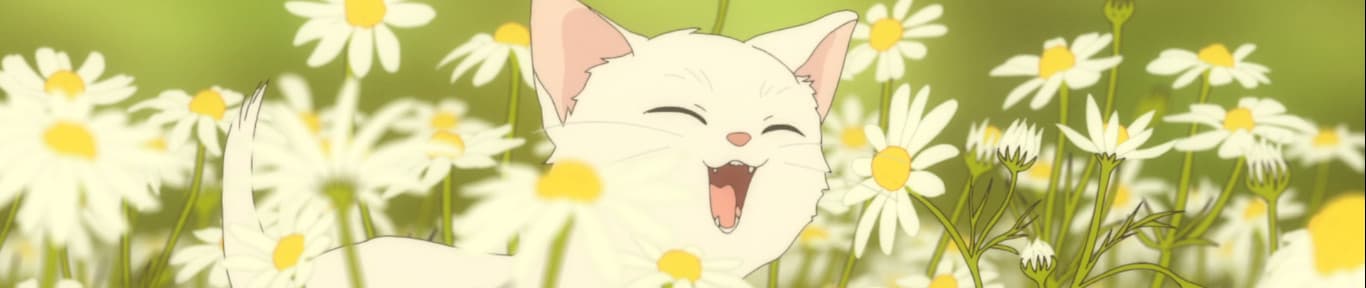
However, the movie abandons its formulaic nature in the middle by introducing a plotline that throws a wrench in their dynamic. Takagi & Nishikata stumble upon a stray cat by accident and, since she’s so cute, decide to care for her. Lost in the cat’s adorableness, the leads completely forget their roles: Nishikata doesn’t get embarrassed, overly blush, or overthink things, and Takagi doesn't tease Nishikata. Instead, they temporarily relieve their positions and abandon their dynamic to focus on caring for and rehoming this cute cat. Honestly, I found this part of the movie to be super refreshing; it was nice to see Takagi & Nishikata relishing their time together and acting like kids, temporarily forgetting their slowly-approaching graduation or romantic endeavors and just enjoying each other’s company.

However, good things don’t always last. Due to an unfortunate circumstance out of their control, the cat is taken from them right after they resolve to adopt her. The cute kitten they've spent their summer break caring for is now gone, and they'll likely never see her again. You can really feel just how painful this separation was for our leads; the director did an outstanding job demonstrating their anguish, never showing us their faces and lingering on a melancholic scene of them slowly walking across a bridge with the beautiful sunset in the background.

The introduction of the cat was not only a refreshing suspension of Takagi & Nishikata’s dynamic, but also a grim reminder that happy times don’t last forever. Things change, people move on, and sometimes it's better to let go. This ties in perfectly with the movie’s emphasis on the passage of time from the beginning, warning our leads that they should seize the things they care about before they disappear.
It’s in this vein, when Nishikata sees a crying Takagi, that his resolve comes forth. No overthinking or crazy blushing. The girl he loves is crying in front of him. What else should he do but say he’ll make her happy? I really like this scene, because it’s not some overdramatized or melodramatic confession with loudly swelling music and constant blushing. They’re both sad and have just witnessed firsthand that things don’t last forever: why wouldn’t they advance their relationship before it falls apart? No “I love you” or “Will you go out with me?” is necessary; they’ve both been long aware of each other’s feelings. All they need is resolve and a promise for the future.


Needless to say, I love this part of the movie, and I love the way it finishes: it ties up so many loose-ends, both from the TV anime and the film’s first half. There are so many small details in this final part of the movie that add so much to this already great product. For example, the movie not only resolves the romance, ending with a mutual promise to make each other happy, but also does so at the festival they promised to return to in the second season. The film also parallels its beginning montage with the leads playing the same rock-paper-scissors game in the same spots, demonstrating how, although their relationship has advanced to its next stage, they're still the same as before, and they'll continue to get up to the same antics now and in the future. They even pass by a cat and smile, showing how they've fully moved on from the loss of their kitten from before, and there's a nice scene of Nishikata offering Takagi his hand, clearly demonstrating how he'll continue to look out for her. Not to mention the post-credits scene that teases the author’s spin-off manga, showing Takagi & Nishikata happily married with a child, finally getting to experience the fireflies from the first part of the movie.


This movie is a love letter to youth, young romance, and coastal Japan, maintaining and enhancing the anime's best qualities and combining them into one brilliant movie. The story and message may be simple, but it’s executed with such brilliance that I can’t help but love it. And there’s no BS romantic drama or pointlessly overdone melodrama, just a simple yet powerful story building off of three seasons of development. Because of that, I cannot suggest this movie enough, especially to fans of the anime.