Gilgamesh
a review by 23BoiledPotato
a review by 23BoiledPotato
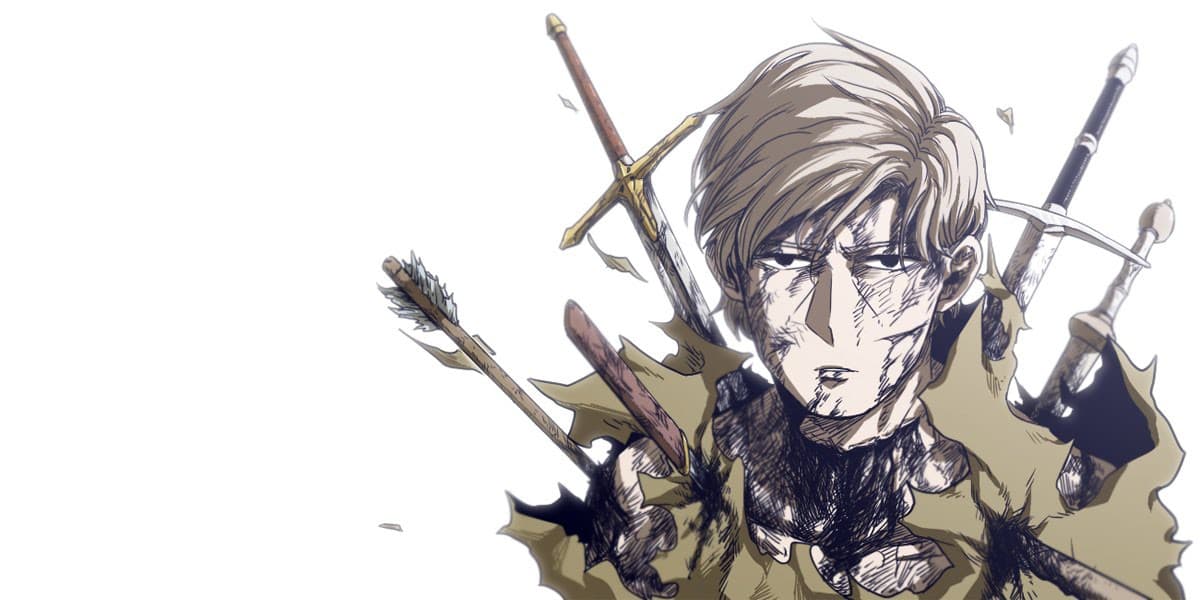
The Epic of Gilgamesh unravels a captivating narrative centered around an immortal protagonist, a mysterious being whose origin remains shrouded in ambiguity. A parallel can be drawn to the character Fushi from “To Your Eternity,” as both protagonists emerge as seemingly divine ~~gifts~~ bestowed upon their respective worlds. This enigmatic figure adds a layer of intrigue to the storyline, evoking curiosity about their purpose and existence.
Contrary to conventional protagonists, the main character (MC) in this epic is neither overpowered nor weakened. Instead, the MC occupies a nuanced space, a result of cumulative knowledge acquired over countless generations. The metaphorical timeline extends back to the Jurassic dinosaur era on Earth, emphasizing the vastness of the MC's existence and experiences. This unique perspective adds depth to the character and invites readers to contemplate the implications of such a prolonged existence.
Delving into the genre classification, a question arises: can this be unequivocally labeled a fantasy manhwa? While featuring quintessential fantasy elements like dragons, knights, monsters, mana, and ki, the narrative distinguishes itself by intricately interweaving logical explanations for these fantastical components. This meticulous blend of fantasy and logic contributes to the story's believability, creating a tightly-woven plot. The MC, however, emerges as the exception—a pure fantasy element defying logical categorization, injecting an element of mystery and unpredictability.
A recurring theme explores the intricate relationship between hard work and talent. Initially posited as a dichotomy where talent reigns supreme, the story gradually unfolds layers of complexity. It unveils that talent alone does not guarantee success; rather, the transformative element is the application of "reason." This thematic exploration adds philosophical depth to the narrative, encouraging readers to reflect on the nature of success and achievement.
Knights in this realm are exceptional entities. To illustrate, consider a scenario where among one thousand individuals, there exists one genius. Now, if we were to assemble one thousand geniuses together, inevitably, one would emerge as the standout, and this distinction is embodied by a knight. This rationale elucidates why a knight can effortlessly overcome the immortal MC in a test of strength. Merely living for millennia doesn't assure one of being the strongest. This ideology is intricately dissected in the narrative.
Visualize a water stream extending for one kilometer, culminating in a waterfall marking the conclusion of its linear journey. It's crucial to note that the swiftness of the water results from gravity's influence and the natural flow leading up to the waterfall—an elevation change. Now, contrast this with the MC; his journey is akin to an endless water stream without elevation alterations. Consequently, the flow of water in his case is not stagnant but exceedingly gradual. It's not that the MC's journey lacks purpose or conclusion; rather, it unfolds as an exceptionally protracted odyssey, defying traditional expectations.
Beyond the fantastical elements and thematic complexities, the manhwa delves into profound concepts such as "honor" and "justice." These abstract ideals are explored in-depth, unraveling the subjective nature of each character's interpretation. The narrative prompts readers to question their own understanding of these moral principles, adding a layer of intellectual engagement to the storyline. The exploration of honor and justice becomes a captivating subplot, contributing to the multifaceted richness of the overall narrative.
12 out of 13 users liked this review
