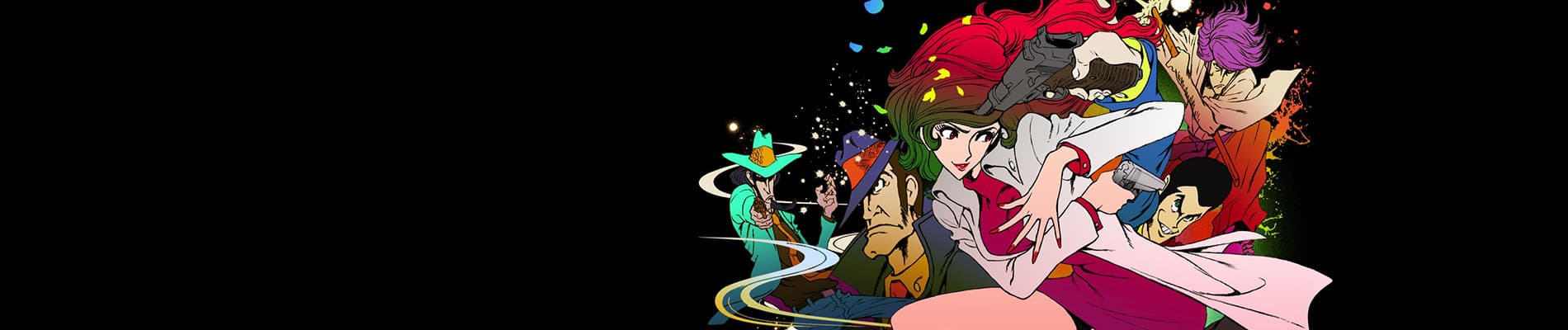
The Woman Called Fujiko Mine is special in many ways. As a fan of Lupin III, it stands out as the perfect prequel to Part 1 and a brilliant example of just how serious Lupin can be. For the wider anime audience however, it is significant for being Sayo Yamamoto's first time with full creative freedom, and she appeared to really let loose along with the excellent Mari Okada creating something that really feels unique among the modern anime landscape.
On an Audio-Visual level the entire show held up outstandingly. A dark and desaturated colour palette mixed with wonderful smooth jazz created a surprisingly serious noir feeling for the show; and it further emphasised the creepy nature of certain scenes whenever colour was introduced. The cinematography kept to a consistently high standard and helped to exaggerate the sense of endless Sakuga that the animation regularly embodied, there was even a fantastic sequence animated my Imaishi (the director of Kill la Kill) - my point is that the animation was outstanding, and really helped to draw to the realistic tone of the series.
I mentioned previously that the show presents itself as a prequel to Lupin III Part 1, the first episode was particularly good in this regard as it treats the viewer to Lupin's first meeting with Fujiko, it acted as brilliant fan service and was executed as very in character for Lupin. The introductory episode [treats us to some nice fanservice]( https://streamable.com/7dvxg) and successfully sets the feel for the rest of the series. The rest of the episodes are largely episodic, we see everything from Monarchical political plots to Fujiko trying to steal information from "Fiadel Kestro" (huehue) to make a profit. What is interesting however is that all of these, frankly brilliant, stories are geared towards one purpose - revealing the identity of Fujiko. We receive flashbacks of her past, we see her specifically picking jobs that she fundamentally relates to, and all the while Lupin follows her trying to piece everything together. There were plenty of character nuance's that I wasn't expecting from the series too, Lupin openly explains why he drops calling cards around the place, which goes to justify his uncaring attitude towards loss throughout the entire franchise. Furthermore a series original character was introduced with a full character arc in order to enhance Zenigata and lay out what took him to the person he is in the franchise. The last thing I highly appreciated the show doing was avoiding Lupin and Jigen from meeting Goemon properly, simply because he joins the gang in Part 1, this felt like a nice nod to fans that had watched the original series.
The conclusion of the series was perhaps a tad weaker than the build-up, though that does not mean it disappointed. It was a bit more than just a tad melancholy in how it ended. Lupin calling out "Fujiko-chan" in the last scene really was a treat though, with the classic absolute annihilation of his car while he chased after her, a great nod to the ongoing gag throughout he original series. The best way to describe the Fujiko Mine series would be Serious with a small side of goofy. It does retain the silliness of the franchise in very minor doses when appropriate, though since this is the first series with Fujiko as the lead, it does make sense. New Hero, New Tone…. Or so to speak.
The Woman Called Fujiko Mine truly is a masterpiece, everything; the cinematography, character designs, animation and narrative; all come together to create something truly special. The series stands out among it's peers for it's style and general charm - and I find myself in a position in which the series is difficult to fault at all.
29.5 out of 31 users liked this review
