The Wind Rises
a review by Aphroditv
a review by Aphroditv
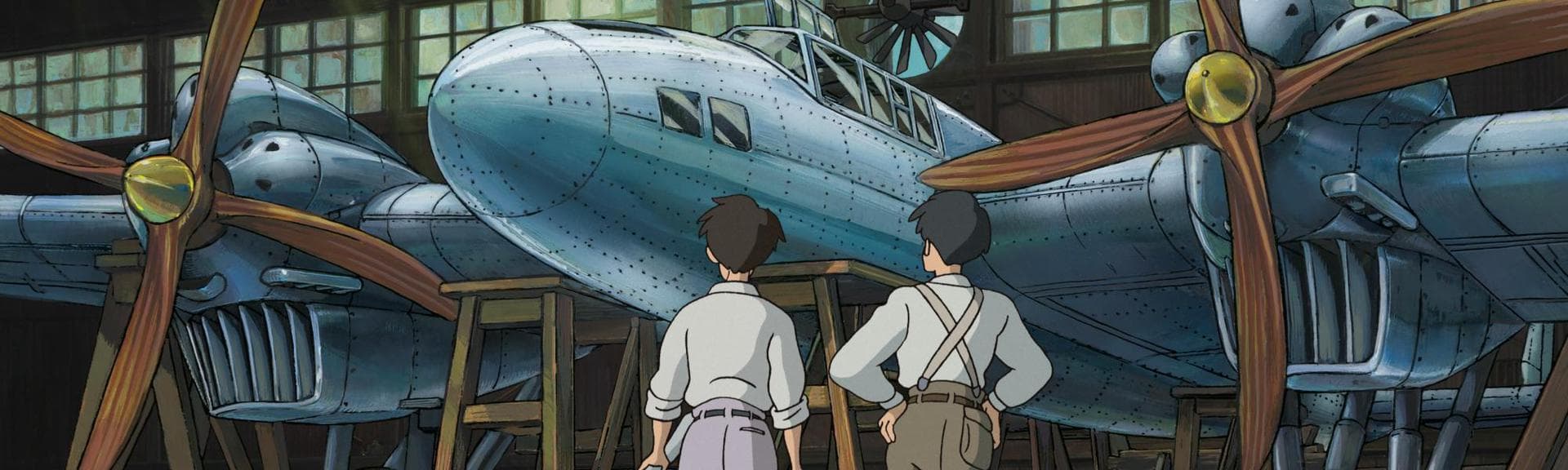
I love Studio Ghibli, it was my childhood and it will never get old. For some reason, I never approached the romance genre within the studio; I have had a special attachment to the more action-orientated films like Princess Mononoke and Nausicaä of the Valley of the Wind. Perhaps I was afraid that I would be repelled by the films I had not yet watched and so it would taint my perception of the studio. But I don't think that Studio Ghibli will ever disappoint. Every film seems to carry its same fantastical charm, even in the historical fiction section that depict real worlds with believable developments, rather than the reveries of Spirited Away, for instance. The Wind Rises is about a young boy, Jirou Horikoshi who follows his dream to design planes, like his idol Giovanni Battista Caproni, an Italian pioneer. The film's themes cover dreams, destiny and love.
Admittedly, I was not that attentive during the first half of the film - airplanes simply don't attract my interest. But the way it starts it inspiring: we follow Jirou's childhood determination to commit his life to planes. First, he mourns the possibility of becoming a pilot, due to his poor eyesight. Then, in a dream he faces his hero Giovanni, who guides him to pursue a career in aeronautical engineering.
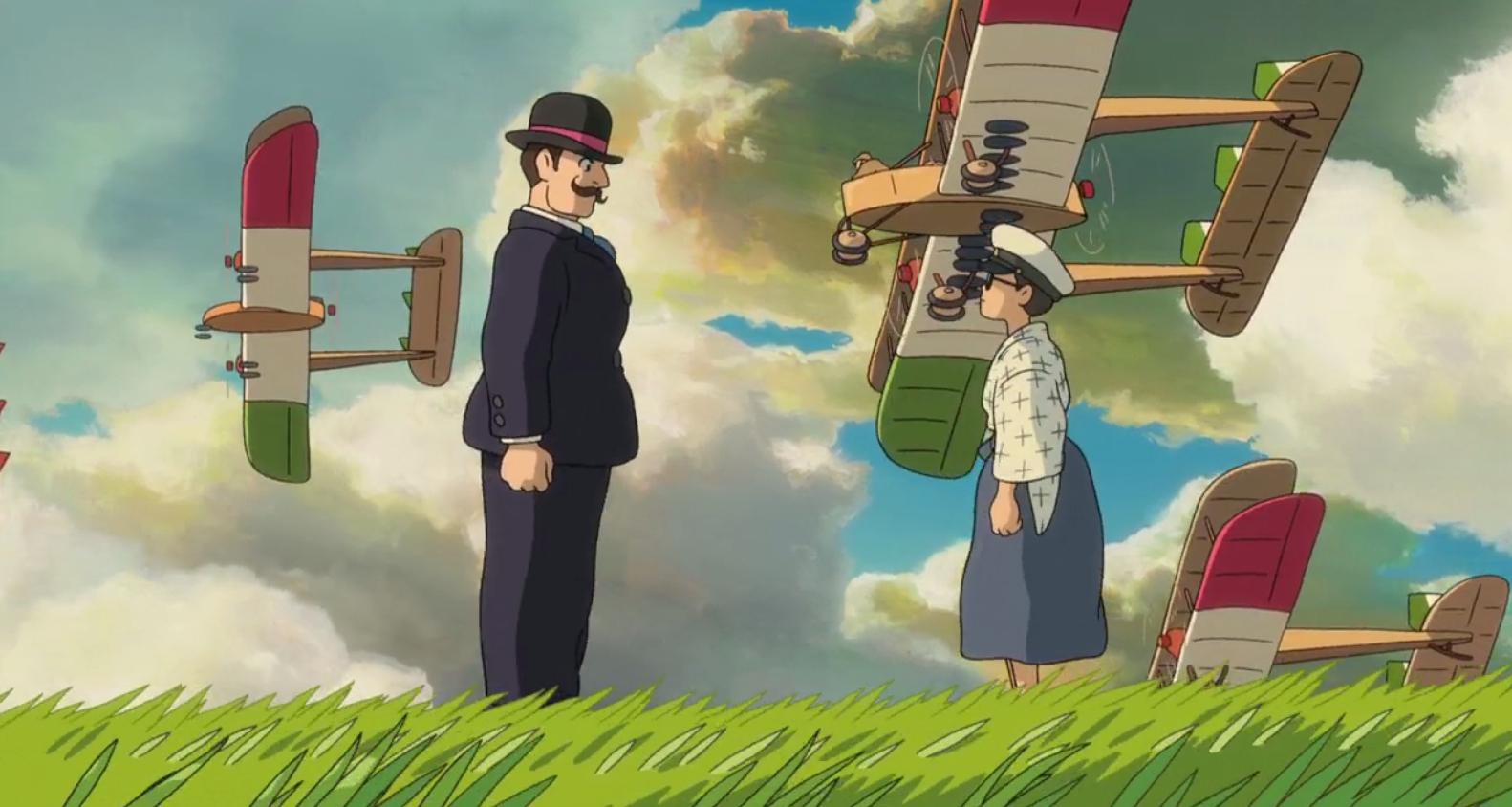
The story covers several decades, from the end of the First World War, the Great Kanto Earthquake of 1923, and then it ends with the Second World War. During this historical timeframe, Jirou faces the moral scruples of having his plane designs used in the military. This aspect of the story is tragic, as Jirou's dream was replicated and exploited for attacks, sending pilots to their deaths. This theme isn't explicitly explored, it is mostly used as a backdrop to develop the complexity of Jirou's character and the wider impact of dreams, and how they can turn corrupted, regardless of intention.
Meanwhile, Jirou falls in love with Nahoko, a girl who re-enters his life by chance, and views him as her hero. Like the wind directs Jirou's aeronautical dreams, the wind has also reunited the lovers - their relationship is illustrated to be destiny. But paralleling his dreams turning to corrupt means, their relationship also takes a turn to tragedy. Although their romance wasn't deeply explored, it was certainly the most impacting aspect of the film. What stuck out to me the most was the attitude towards a balance between work and personal life. Jirou had landed his dream position and was often hustled by his rigid boss with pressuring deadlines and meetings; however his love for planes did not overpower his love for his wife. Their bond was a poignant depiction of how love can ground you in a world of turbulence.

Ultimately, I find this to be a memorable illustration of how wind is used as a vehicle of dreams and their juxtaposing tragedies. There is a constant tension of these two forces; like a change in the wind and a dive of a plane can compare to life's erratic nature. It is the perfect metaphor.
10.5 out of 11 users liked this review
