Imagine the crazy pressure of trying to follow up a masterpiece. In the manga world, Inio Asano's Goodnight Punpun is a big deal for a lot of readers. It's not just well-written; it hits you with feelings of awe and fear. People way more articulate than us have praised it better than we ever could. We're bringing it up because it gives some context to Dead Dead Demon's Dededede Destruction (we'll call it DDDD to keep it short). As the follow-up to Goodnight Punpun, DDDD has the tough job of living up to those high expectations. Lots of fans see Goodnight Punpun as being on a whole different level compared to other manga. If you start DDDD with those expectations, you're setting yourself up to be disappointed. Even hardcore fans of Asano's work will be surprised by the new ideas in DDDD, from the slight changes in art to story choices that really get people talking. While Goodnight Punpun shows Asano's skills at their peak, DDDD is about him exploring new ground as a seasoned artist.
The manga dives deep into what makes us tick, especially the anxiety we feel about an uncertain future. It looks at all the different ways we cope when we're bogged down by heavy thoughts. The story follows a group of high school students about to graduate, whose normal lives get thrown into chaos by an alien invasion. The main characters, Kadode and Ouran, really stand out with their interesting takes on the world around them.
You'd think an older person facing the end of the world would be all reflective, reminiscing about the good old days, and accepting a life well-lived. But Kadode and Ouran are the complete opposite. They're just starting their lives, looking forward to everything ahead, only to have it all thrown into chaos. They might seem cheerful and happy on the outside, but that's just their way of coping with reality. DDDD is a mix of joy and sadness, where even the happy moments have a touch of melancholy underneath.
DDDD is like a wild mix of genres, blending comedy, slice of life, sci-fi, and drama into one captivating story. Asano really goes for it by adding political humor into the mix. It's easy to see how he might have been inspired by the crazy times during the Trump years, which often ended up being a target for jokes. While Asano has always explored themes like humanity, death, and depression, DDDD does it with a fresh twist by looking at these issues through a socio-political lens. But don't worry, Asano's signature style is still there. Each volume kicks off with the recurring Isobeyan comic, which has that subtle sadness he's known for. Plus, his paneling is on point, with every transition between pages showing off his amazing artistry.
The manga might be labeled as slice of life, but it's definitely not all sunshine and rainbows. The scenes feel totally real, grounding the story in a world that could actually exist. DDDD is like a modern-day dystopia, mixing in sci-fi stuff that's pretty out there but still believable thanks to Asano's knack for keeping things real. The way society reacts in the story? It's chillingly possible, showing us a scary mirror of how we might behave in those circumstances. As the story rolls out, the world-building and characters grow naturally, all woven into the plot. Yeah, the pacing might seem slow at first, but it lets us really dive deep into this world Asano's crafted—digging into big ideas like what life means and how society handles crises. Every scene counts, whether it's building the world, moving the story forward, or adding layers to the characters.
The characters in DDDD are seriously well-crafted, each one playing a crucial part in the story's fabric. While you might wish they'd dive deeper into certain folks like Rin, everyone gets enough development to really fit their roles. Ouran and Kadode especially stand out—they're super well-written. Even Ouran's brother, who seems like just comic relief at first, ends up hitting you right in the feels with both laughs and serious moments as you get to know him more. Futaba and Oba add their own spice to the mix too. Kadode might seem like she's Asano's alter ego at first, but she grows and changes as the story unfolds, becoming a really complex character in her own right. What's cool is how believable each character is—even Ouran, who might seem a bit too perfect at first, ends up surprising you with some real depth.
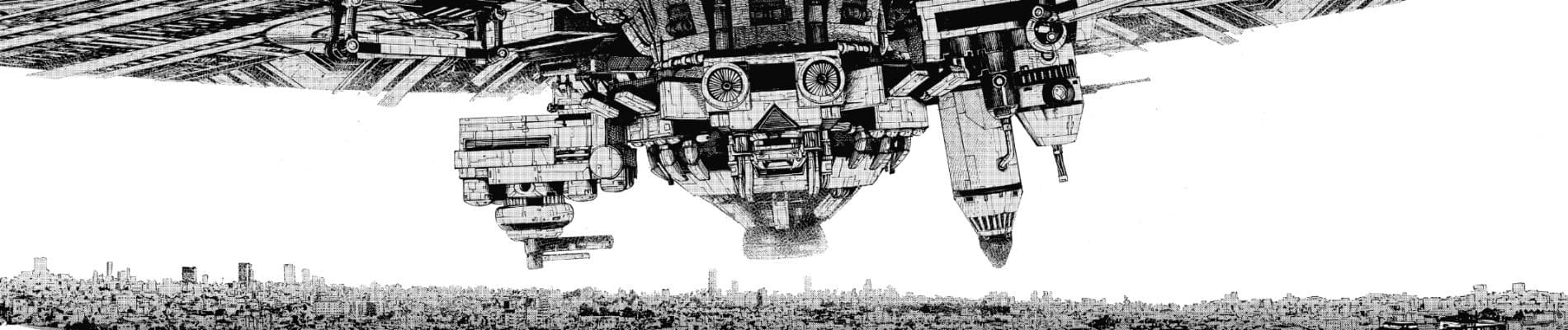
Asano's really got this knack for making scenes flow smoothly from one panel to the next in DDDD. His landscapes and textures are still stunningly realistic, but he's shaken things up with the character designs. They're more quirky and over-the-top now, which is actually a stroke of genius. If he stuck with his old style, it might have felt too familiar, like other stuff he's done. But this change? It fits right into his world-building, blending characters seamlessly into their surroundings. Plus, those exaggerated features? They're perfect for adding comedy through facial expressions. As always, Asano's art is top-notch in DDDD. But remember, while the visuals are incredible, there's a lot more to this manga than just looks.
To wrap it up, DDDD is a must for anyone who loves a good read. Even if you haven't vibed with Asano's stuff before, give this manga a shot with an open mind. And for those who already dig Asano's work, try not to always compare it to Goodnight Punpun. DDDD goes beyond that, telling a story that hits home in today's world. The creativity and raw honesty in this manga really show off Asano's incredible talent. In a sea of ordinary books, DDDD shines as a standout, something you've gotta experience at least once.
16.5 out of 17 users liked this review
