

__Part 1
Dichotomy of Wants__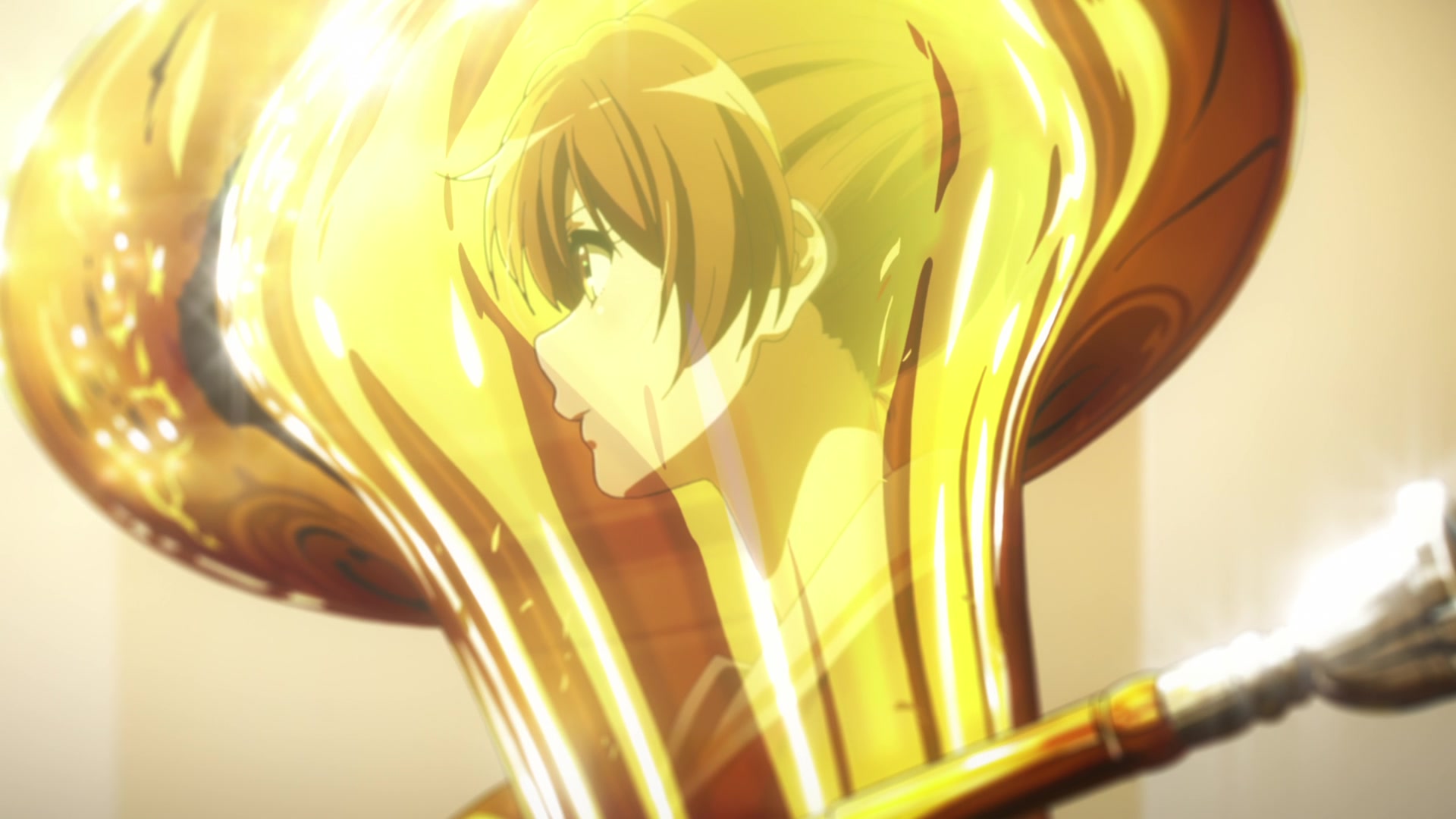
Reality is often disappointing
Every day you follow a routine of eat, sleep, go to school, meet friends, learn what you gotta learn, hang out, appreciate the sunset as you walk home, kill off some time at home, sleep, and repeat. The life of an adolescent is in the middle of seeking wonder through the mundanity, but at the same time restricted by their youthful ignorance. The dreams we have that we couldn't reach, some may be devastated, and some may have avoided performing altogether in fear of failure, but if you set yourself in the shoes of Kumiko Oumae (Tomoyo Kurosawa) in Sound! Euphonium, where you are in the middle of “I'm not good enough” and “I gotta be better."
A dichotomous fine line exists between being sure of what one person wants while being aware that you can't really reach what you dream of. Kumiko is the type of character that in the first few episodes you couldn't really get into because of how much she distances herself from other characters and just lets things play out, but she has her hands out for them and guides where the characters in the series want to go—for the sake of their happiness.
The more you keep your distance from the core instrument you play, the more you feel dissatisfied with the performance you give. But at the same time, the more you push yourself hard to get away from the mundanity, it often makes you disappointed when you cannot attain the achievement you want. It's not just Kumiko who experiences these dichotomies, but the majority of the characters in Sound! Euphonium does in its own way.
Some have persevered through the rough and have shined more than a diamond, but that's not real life. When one shines, the others fall, and no matter how much you've practiced and exerted efforts at your best, reality often reminds you that there is someone who is better than you, while you tell yourself that it's better to just step down because that high position you seek is just not for you, and most of them do step down. Most of them have already left the path, and now it's your time to leave.
But this is what you want
Even after the defeat, the chances of you coming back are slim, but with sheer determination, you are the main benefactor to leave the mundanity of life that you refused to go back to. You keep doing your best, and eventually you will level with the rest. Sound! Euphonium shows the harshness of reality where life can easily drag you down, especially when you are unsure with the passion that you're holding dear. Sometimes, it is okay to not push further if it's something that you don't want, and it's okay to lose sometimes. As a cautionary tale for these characters and for you, don't hold things against you for failing when the chances of another try is always available for you. ***
__Part 2
A Frustrating Melody__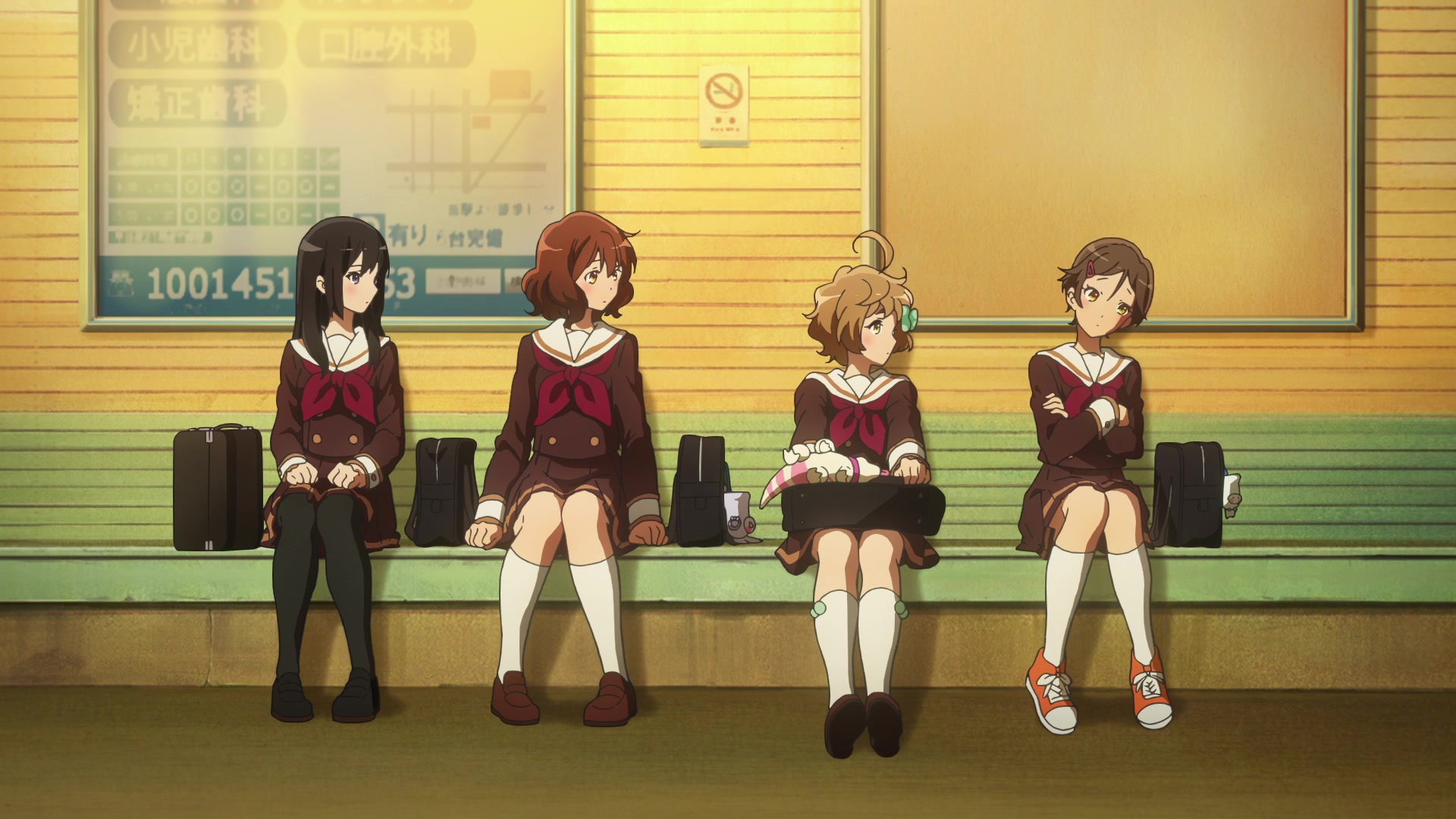
One of the main selling points of the series is its use of a high school orchestra as the main theme. The series does tackle the technicalities of the creation of music, translating sheets of music to a beautiful melody, and working together as a team to ensemble a magnificent and calming piece. This is greatly highlighted by Kyoto Animation’s high standards, keeping attention to minute details from the animation to the instruments hitting real notes from the drawings and the real-life note. However, the show does not mainly focus on the technicalities of the instruments and the creation of music but on the social aspects and group dynamics of music creation.
Through the calmness and beauty of a soothing melody, behind it, there's weeks of exhausting practice between people who exert too much energy that leads them to be exhausted and impulsive and the people who have exceeded their limit but still not enough for the standards of the piece. The group dynamics of an ensemble can often shatter down when one little mistake catalyzes into a greater problem, and the series shows this realistic portrayal that's stress-inducing and utterly realistic. I, as a viewer, recall memories of group-centric events and the messy, uncooperative corporation that you just want to escape for the sake of your sanity but remain inside the chaos because of guilt, obligation, or perseverance of one's wants.
Sound! Euphonium offers a realistic take on the dynamics of characters, offering realistically disturbing yet relatable, well-written characters from the main characters, side characters, and even background characters. This aspect of the show feels like a place you don't want to go back to because of your own personal experience in this environment, but you are intrigued by the portrayal. ***
__Part 3
Season 3__
After underwhelming OVAs and movie sequences, the series finally got its proper third season with a new stake in our characters' lives. For the past 2 years in the band, Kumiko Oumae has experienced the highest and lowest moments inside the band. Now that she's in her third year as club president, she must endure the challenges that lie ahead of her. From the introduction of the freshman and their struggles, and facing familiar incidents she experienced during her first year popping up once again in her last year in the club, This is her last year as an ensemble, and the club decided to aim for gold. This redemption arc is where the series gives it all and delivers each sequence in a quiet yet powerful manner, speaking with Kyoto Animation’s signature silky and subtle animation and Tatsuya lIshihara’s brilliant and engaging direction.
Unlike the first two seasons, Oumae takes center stage for being a proactive member of the club, as well as putting center stage on the external and internal struggles inside the club with her role as the club president. Moreover, the series greatly explores Oumae’s inner struggles outside the club. As the end of her high school life approaches, she's been faced with the slap of reality of transitioning to the next education that decides her future. However, she's once again at a dilemma about the career she chooses next, as she is not sure of herself which one fits best for her while at the same time not repeating the mistakes she experienced prior to her third year. Oumae’s journey is subtle and relatable for all of us, and you are sold on her as the main character we follow throughout the series.
The third season highlights the relationship between Kumiko Oumae and Reina Kousaka (Chika Anzai). These characters are the face of the series, and they have truly outgrown each other in terms of emotional reasons since we saw them in the first season. Their character dynamic is far closer, and you can feel the weight on screen that they've definitely witnessed and traversed many obstacles with each other. There are also little moments from the side characters, such as Hazuki Katou (Ayaka Asai), that really elevate the atmosphere and realism of the series. Mayu Kuroe (Haruka Tomatsu) is a good new addition to the ensemble, and her role in the series reflects the past moments in the ensemble. Other characters fit their roles and play them well. ***
Conclusion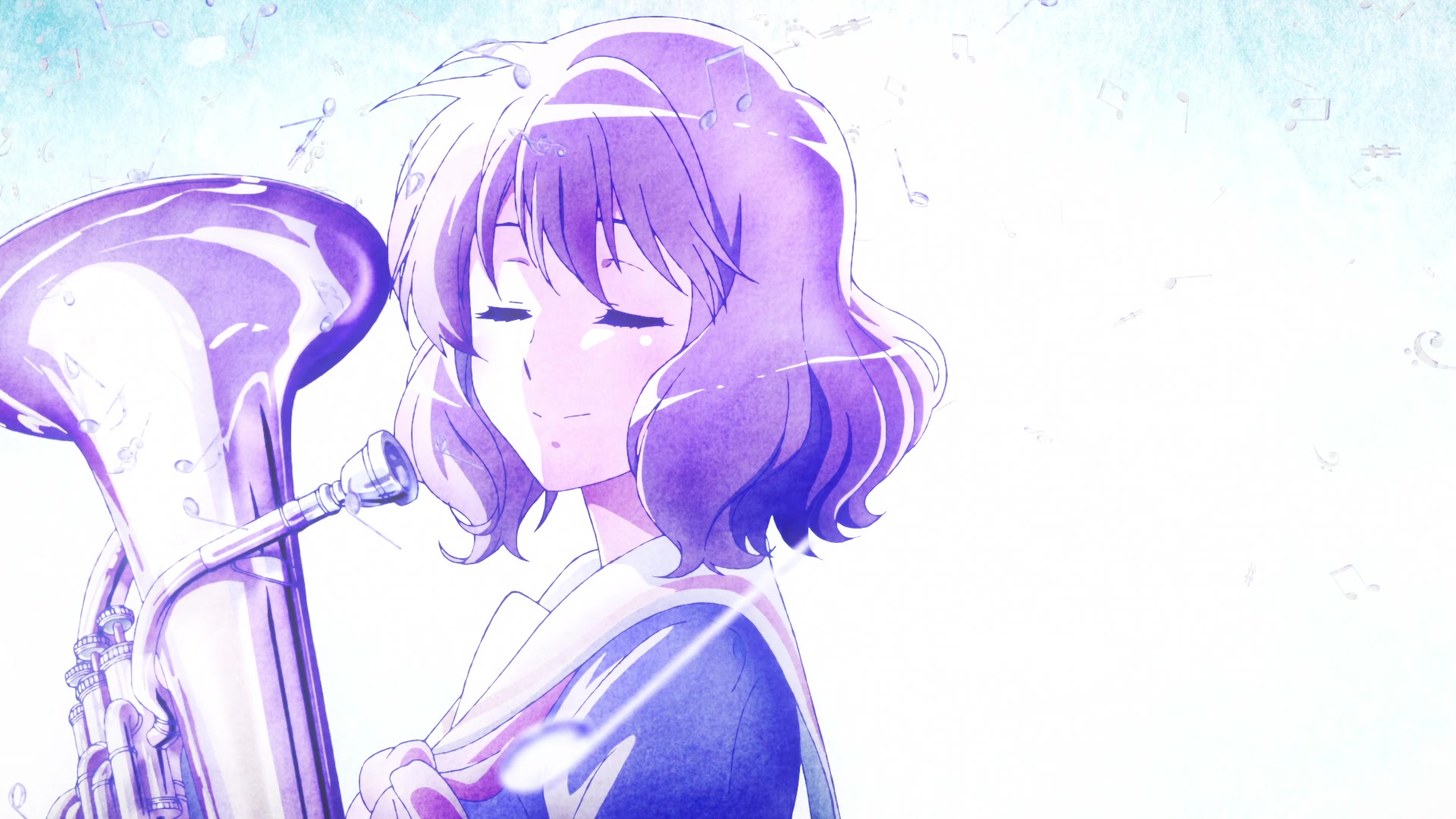
Despite the somber moments of the series, it does pick itself up and inspires us to walk through with our wants and persevere through the challenges that lie ahead of us. The lighthearted moments of the series serve as a way to connect with these characters in their most relaxed manner rather than the tense environment during practices, which works wonderfully in the show. The long-deserved wait for the third season of Sound! Euphonium steps in and satisfies both long-running fans and the narrative of the entire series.
Sound! Euphonium is some of the most realistic anime out there, tackling realistic issues with deeply humanizing adolescent characters and an accurate portrayal of music and the stress behind the notes of a beautiful piece. Added cherry on top with Kyoto Animation’s signature animation style and attention to minute detail. This anime might not have the same attention given as other anime shows, but it will eventually earn its spot as a timeless cult classic. ***