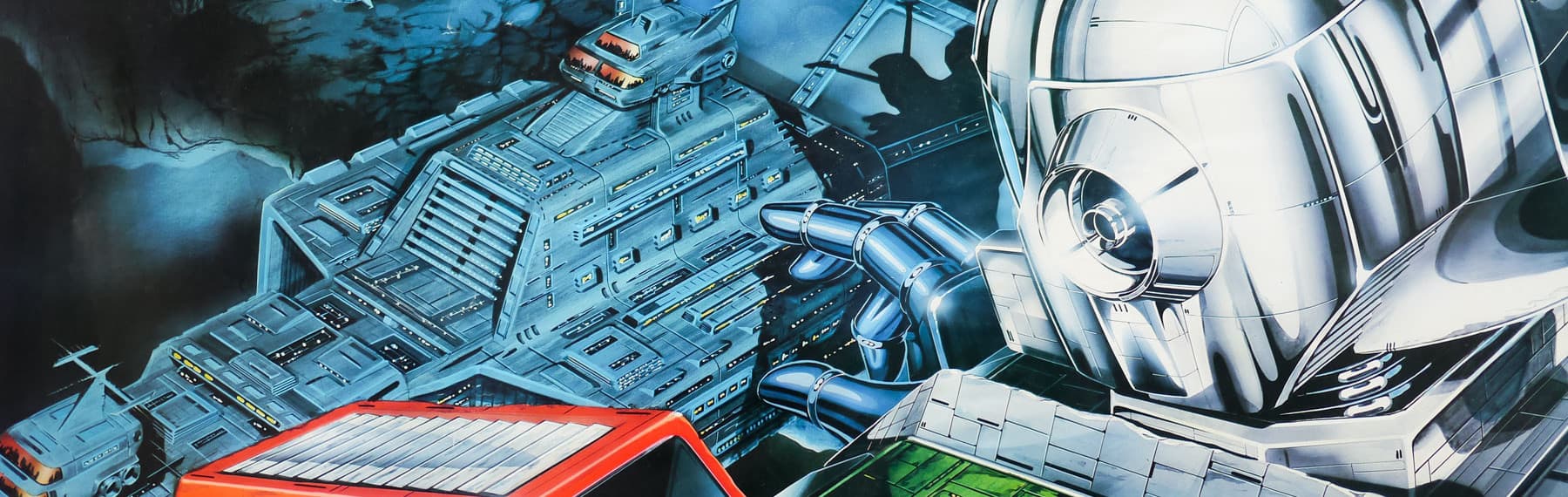
Right after the game changing Gundam 0079, Yoshiyuki Tomino would create another genre reinventing work that would go on to be one of the most underrated yet greatest and most influential mecha in history. Ideon is essentially Evangelion before Evangelion. Taking aspects of Zambot 3 and the original, it is one of the best anime anime has ever directed. Tomino is known for making shows that push audience expectations of what they think the shows will be, creating a truly unique piece of art. He is also known for sometimes making that extremely dark filled with an extreme amount of character deaths, and Ideon might be his best work using that kind of storytelling.
Rather than playing into the growing trend of more realistic mecha spawned from his previous work, Gundam 0079, Ideon instead explores the idea of super robots in a more innovative manner. The show starts off like a typical super robot with humans discovering an almost supernaturally powered mech and using it to fight against an invading alien race. However, as the story progresses, the darker, existential and almost cosmic horror nature of the series unravels. Actions that would have not have mattered much in a regular super robot instead have greater impacts and long lasting consequences. The war between the humans and the Buff clan is given much more nuance and is taken very seriously. People on both sides commit horrible acts against each other blurring the lines of who exactly is in the right. Both the conflict and the characters that take part in it have an incredible amount of depth which only enhances the themes of the show.
Like Gundam before it, Ideon is ultimately a story of the horrors of war and the endless cycle of hatred. Compared to aliens in other super robots, the Buff clan is much more human in nature. This makes their actions much more tangible and goes in hand with themes of understanding one another. Since the two factions share many similarities with each other, this makes the atrocities they commit to one another feel much more tragic and senseless. Such is the nature of war that the show explores with great effect. There is always possibility for understanding and peace, but the dark side of humanity and our vices prevent that from happening which only leads to a grand calamity. It is a sorrowful piece of work but one that has profound value in it.
Another way that Tomino subverts the super robot tropes is with the Ideon itself. The way the mech is handled in the show makes for one of the most fascinating depictions in the whole genre. From the very start, it is hinted that there is a great mystery behind the Ideon mecha. This plays into the unique cosmic horror themes of the show. As the Ideon grows stronger overtime, it starts to feel less like a superhero machine, but instead a being possessing eldritch motives. It started the concept of mechs that have much more otherworldly traits to them that go beyond the understanding and control of those who pilot them.
Lastly, Ideon’s most remarkable element is undoubtedly the ending. Tomino doesn’t make tragic and dark endings for no reason other than shock value, they serve a purpose in conveying the themes he wanted to explore. While it may feel bleak and devoid of any hope and optimism, I think it is one of the best endings in not only his body of works but in the whole mecha genre. This is an ending that will have you thinking about the themes and messages long after you finished watching. The climax is both epic in scale, stakes and in how horrifically beautiful it is (in the movie). However, what makes it work so well is what it was trying to convey. Amidst all the darkness and despair the ending seems to have on a surface level, there is a small hint of optimism. It may not seem apparent or matter much for how tragic the end feels, but that small shimmer of light and hope for a better future in a series full of depravity is what makes Ideon one of the greatest mecha of all time.
8.5 out of 9 users liked this review