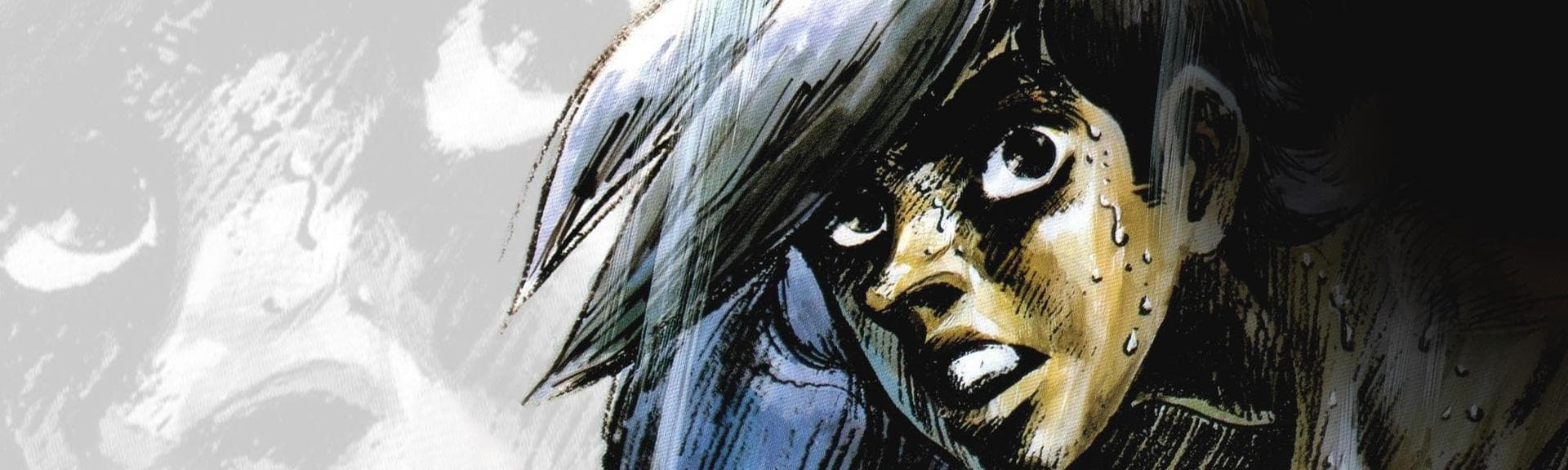

To satisfy my curiosity about older manga like Astro Boy and Black Jack, I decided to read Ashita no Joe. I had always been curious about its legendary status.
And it sure as hell did not disappoint.
Like Slam Dunk, it is a slow burner, though the message it's trying to send and the freedom it has to do so is much more evident. It is essentially about the tragic story of a man who discovers the one thing he's passionate about because of a man he deeply respects and envies.
At every turn, he is met with cold reality and constantly told what he can and can't do.
At every turn, he spits in the face of that reality and does what he wants.
You see him still carrying the same energy as a wild beast, disregarding societal rules. Yet the reasons why and how that impacts him change as he matures. There comes a point where his batty behaviour is now a terrifying side of him, where as a reader, I felt chills as the same warnings he used to wave over become more of a threat.
But Joe does have a soft side. A deep, unexplainable depression looms over him in his life. He takes care of the people who genuinely have faith in him, being the village and children he surrounds himself with, while the people he still owns a lot of but doubt him berate them with cold, nasty behaviour.
I wouldn't blame someone if they came out of this story still not liking him. But it's undeniable that he is a complex, well-written main character.
Then you have the Showa era art style, which looks far more simple than the manga of today.

The panelling is more like old Batman comics but with a unique spin. For example, full-page panels are much more tiny than what we usually have, at least at the start of the manga. It's akin to looking at a Where's Waldo puzzle book. Then, in standard parts of the story, there are a lot of small squares within one page.
Some examples:


Of course, as the manga develops, it eases up on that style and looks more and more like how manga artists usually panel stuff out, but it still remains.
In addition, the action scenes are exhilarating. The artist really knows how to make easy-to-follow and impactful fights that you can't help but get sucked into it.
Anyway, this was a wonderful read and a great change of pace from modern manga. Not that one is superior than the other, but it is fascinating to see how different mediums were made back then. And to top it all off, it is an amazing, tragic story of man throwing himself into his one talent, so he can feel fulfilled in life.
I fully recommend this classic manga.

_Perhaps I didn't explain myself very well...I'm not fighting just because of my feelings of debt or obligation to others. I fight because in the end, I love boxing. It's certainly quite a world apart from the ideal youth you talk about, but that burning sense of worth and completeness is something I've only tasted on a bloodied ring. And this burning sensation isn't a momentary sputtering that other people my age might feel.
It's so bright it burns your entire body up in an instant.
And when it's over, only white ashes remain...
Not even any tiny cinders...
Only white ashes..._
25.5 out of 27 users liked this review
