

# INTRODUCTION
This review is the first of two parts dedicated to Neon Genesis Evangelion. In this spoiler-free overview, I’ll provide a general look at the series, perfect for those who want an introduction without crucial revelations. The second review, which you’ll find later under The End of Evangelion (I’ll include the link if you’re interested), will explore the series episode by episode, offering a detailed and comprehensive analysis, including the film.
In that review, I’ll delve into the philosophy (both of the series and the characters), the numerous symbols, aiming to explain them for those less familiar, and I’ll provide explanations for the more complex and/or open-to-interpretation parts. If that interests you, feel free to check it out!
But now, without further ado, let’s get started!
___
# PLOT OVERVIEW The series is set in a future devastated by a catastrophic event known as the "Second Impact," a global disaster that profoundly altered the political, social, and environmental landscape of Earth. This event drastically reduced the world's population and led to a series of crises, creating a world where the few remaining cities, like Tokyo-3, must confront a new reality of conflict and survival.

The plot revolves around the NERV agency, tasked with protecting humanity from the Angels, mysterious beings that threaten the Earth. To counter them, enormous mecha called Evas are used. These robots, piloted by young protagonists like Shinji Ikari, are at the heart of the defense against the Angels. 
The protagonist, Shinji Ikari, is tasked with piloting Eva-01. He moves to Tokyo-3, where he meets other key pilots: Rei Ayanami, the mysterious and aloof pilot of Eva-00, and Asuka Langley Soryu, the energetic and competitive pilot of Eva-02. These characters not only face the external threat of the Angels but also grapple with their personal inner struggles and the complex interpersonal dynamics that develop within the team and their lives.

However, Neon Genesis Evangelion stands out from other mecha anime due to its innovative and complex approach. While many series in the genre focus primarily on action and robot battles, Evangelion delves deeply into psychological and existential themes, offering a narrative that is as much a philosophical reflection as it is a science fiction saga. The series not only features spectacular battles but also ventures into the recesses of the human psyche, creating a story rich in introspection and provocation. The story unfolds through episodes that intertwine action, psychological drama, and existential reflections, creating a dense and complex narrative that challenges genre conventions and invites the viewer to a deeper reflection on the struggle between survival and destiny. This unique approach gives the series a rare depth within the genre, making it a compelling and intellectually stimulating experience.
# MAIN THEMES The series explores several deep and complex themes, such as:
- Existential Crisis: The characters grapple with fundamental questions about the meaning of life and their role in the world.
- Interpersonal Relationships: The dynamics between the characters, with their conflicts, alliances, and misunderstandings, are crucial to the development of the plot.
- Psychological Struggles: The protagonists' internal battles profoundly influence their actions and decisions within the context of the series. 
This fusion of genres and themes creates a narrative that is both captivating and thought-provoking. The existential crises and psychological struggles of the characters are closely connected to their interpersonal relationships and the sci-fi universe in which they operate. This intricate interplay enriches the plot, making Evangelion a deep and engaging story that encourages the viewer to reflect on their own experiences and perceptions.
Unfortunately, I can't delve into the details in this section, but I will do so in the in-depth analysis.
# VISUAL COMPONENT Despite being produced in 1995, Neon Genesis Evangelion has aged surprisingly well, with animations that could rival many more recent productions. Created by Gainax, the series blends traditional animation with innovative editing techniques, crafting a visual experience that stands out both in the anime landscape of the '90s and today.
####Unfortunately, to show you what I mean, it's necessary to include a combat video. Since it's the first battle, there are no major spoilers, but for the sake of intellectual honesty, I will mark it as a spoiler.
One of the series' most iconic aspects is the design of the mecha. The Evas are characterized by intricately detailed and distinctive designs, with vivid colors and angular shapes that contrast effectively with the post-apocalyptic landscapes and urban settings of Tokyo-3. This stylistic choice not only makes the Evas instantly recognizable but also highlights their role as instruments of war in a struggle for survival. 
The use of color is particularly significant: the series alternates between vibrant hues during battles and darker colors in dramatic scenes, creating a futuristic and desolate atmosphere that mirrors the tension and inner conflict of the characters. 

Additionally, Evangelion's aesthetic incorporates elements of architectural design and psychological art. The representation of Tokyo-3, with its futuristic structures and underground bunkers, helps build a sense of isolation and urgency. The dreamlike scenes and flashbacks are rendered in a distinctive visual style, reflecting the characters' mental states and inner crises. 
# SOUNDTRACK The soundtrack of Neon Genesis Evangelion is an essential element that greatly enhances the emotional experience of the series. Composed by Shiro Sagisu, the music features a variety of styles and an emotional depth that plays a crucial role in evoking the atmosphere and accentuating the themes of the series. A Cruel Angel's Thesis," the series' opening theme, has become an iconic milestone in the world of anime. This energetic and engaging song, accompanied by iconic visuals, introduces viewers to the complex psychological dynamics and existential themes that define Evangelion. Its fame is such that "A Cruel Angel's Thesis" is considered one of the greatest openings in the history of Japanese animation, celebrated and reinterpreted in numerous cultural contexts. 
In contrast, the ending theme, "Fly Me to the Moon," offers a fascinating change of tone. This cover of the classic jazz song written by Bart Howard brings with it a sense of familiarity and nostalgia. In the anime, the song is presented in various versions, some sung by the voice actresses of the characters and others in instrumental form. This approach allows the music to be tailored to the tone and content of each episode, creating a unique musical cohesion and subtly highlighting the emotions that emerge at the end of each episode.

The OSTs that accompany the episodes are equally significant. The series alternates between orchestral compositions and electronic scores to support both intense action scenes and moments of introspection. The use of recurring musical themes helps establish an emotional connection with the audience, while the stylistic variety of the soundtrack keeps the interest alive and amplifies the impact of key scenes.
Here is an example for the action scenes.

Here is an example for the introspective scenes.

# CHARACTERS The character design, handled by Yoshiyuki Sadamoto, is crucial for the characterization and storytelling of the series. Shinji Ikari, Rei Ayanami, and Asuka Langley Soryu are designed with visual traits that deeply reflect their personalities and roles in the plot. The design not only reflects the psychological characteristics of the protagonists but also accentuates the interpersonal dynamics of the series. Facial expressions and poses are used effectively to convey emotions and moods, creating a deep connection between the characters and the audience.
Now, let's take a closer look at the three main characters:
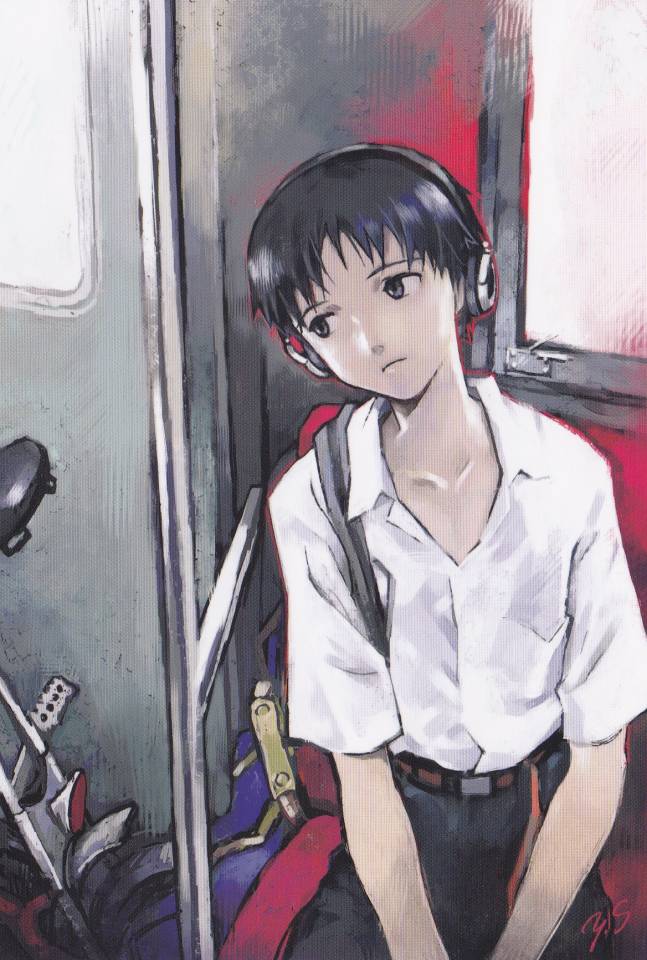
Shinji Ikari is the protagonist of the series, chosen to pilot Eva Unit 01, a role for which he feels unprepared. His simple and casual design reflects his introverted nature and troubled state of mind, visually highlighting his vulnerability and insecurity. His personality is complex: introverted, insecure, and reserved, he is plagued by a deep sense of inadequacy and fear of rejection. His relationship with his father, Gendo Ikari, is crucial to his development. Shinji craves his father's approval but fears the responsibility imposed on him, creating a conflict between his need for affection and his fear of failure that drives much of his story.
``
``

Rei Ayanami, the pilot of Eva Unit 00, is an enigmatic and detached character, with blue hair, pale skin, and red eyes that give her an almost alien aura. Her understated and impeccable design, combined with her distant appearance, reflects her cold and mysterious personality. Psychologically, Rei appears emotionless and almost apathetic, emphasizing her enigmatic role. Her ambiguous relationship with Gendo Ikari and her unconditional obedience make her one of the most cryptic characters in the series. Despite her detachment, Rei is deeply reflective, and her relationship with the other pilots, especially with Shinji, is crucial to the plot. Her calm and almost robotic behavior hides an inner complexity that is gradually revealed, making her a fascinating and intriguing figure in Evangelion.

Asuka Langley Soryu, the pilot of Eva Unit 02, stands out for her vibrant and bold style, reflecting a dominant and self-assured personality. Her clothing and hair color, contrasting with those of the other characters, emphasize her competitive nature and complex interpersonal relationships. Half German and half Japanese, Asuka has a fiery temperament and great confidence in her abilities, which often lead her to clash with others, particularly with Shinji. Her determination to excel stems from a deep need to prove her worth and gain recognition. However, behind her confidence lie vulnerabilities and insecurities that Asuka desperately tries to conceal. Her presence introduces tension and rivalry, but also introspection, revealing the complexity of her character. Asuka enriches the narrative by offering a different perspective on themes of strength, failure, and identity.
The characters of Neon Genesis Evangelion are undoubtedly the foundation on which the series stands, not only for their extraordinary design but also for their profound humanity. Each character, whether protagonist or not, is portrayed exceptionally and evolves naturally as the plot unfolds. They are written with such attention to detail that they seem literally real, allowing anyone to identify with one of them and making the viewing experience particularly engaging. 
# NARRATIVE STRUCTURE
- Narrative Rhythm: Evangelion features a narrative structure that intertwines episodic elements with a continuous storyline. In the early episodes, the series adopts a relatively self-contained format, where each episode introduces a new Angel and a distinct challenge for the protagonists. This approach allows for the exploration of various aspects of the world and characters. However, as the series progresses, a deeper and more complex narrative arc develops, linking the various stories into a cohesive fabric. This arc focuses on psychological and philosophical themes and gradually reveals the mysteries surrounding the Eva and the Angels, making the narrative increasingly intricate and engaging.
- Information Management: The series is renowned for its non-linear and layered approach to information management. Crucial details and connections between events are revealed in a fragmented manner, often through flashbacks and dream sequences. This approach requires the audience to pay close attention and interpret the various layers of meaning to fully understand the plot and character motivations. Although it can be challenging, this complex structure enriches the narrative, offering a deeper and more stimulating experience.
# PHILOSOPHY Evangelion transcends the mecha genre, offering a profound reflection on the human condition through a complex philosophical narrative. From the early episodes, the series explores existential themes that become increasingly central as the plot unfolds. The battles between the Evas and the Angels are not merely physical confrontations but powerful metaphors for the inner struggles, identity crises, and existential doubts that the characters face. Each episode transforms into a meditation on humanity and our place in the world. Here are some of the themes explored by the series: Existential Crisis and Alienation:
The existential crisis permeates the entire series. The characters, especially Shinji Ikari, constantly question the meaning of their existence and their place in the world. Alienation is represented both physically and emotionally, and Tokyo-3, the post-apocalyptic setting of the story, amplifies this sense of disorientation. The search for meaning in an apparently purposeless universe profoundly reflects the human condition. 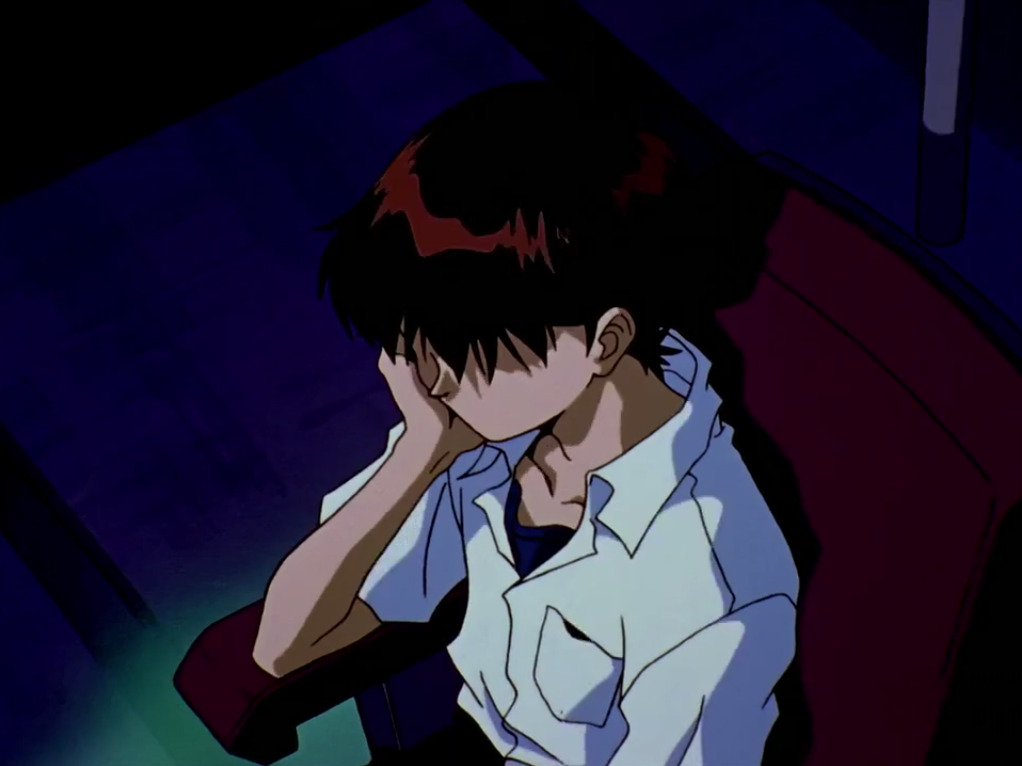
Loneliness and Interpersonal Relationships:
Loneliness is pervasive in the lives of the protagonists. Even when surrounded by others, the characters often feel isolated and unable to form genuine connections. The series explores the difficulty of communicating one’s feelings and connecting with others, mirroring real-life experiences of alienation. Relationships in Evangelion are complex and dysfunctional, reflecting the fears and insecurities of the characters. 
Identity and Sense of Self:
Identity is a crucial theme: the characters struggle to define who they are in a world that constantly threatens their sense of self. In Evangelion, identity is constantly evolving, influenced by traumatic experiences and interactions with others. The series invites reflection on what it means to be oneself and how external pressures can shape our perception. 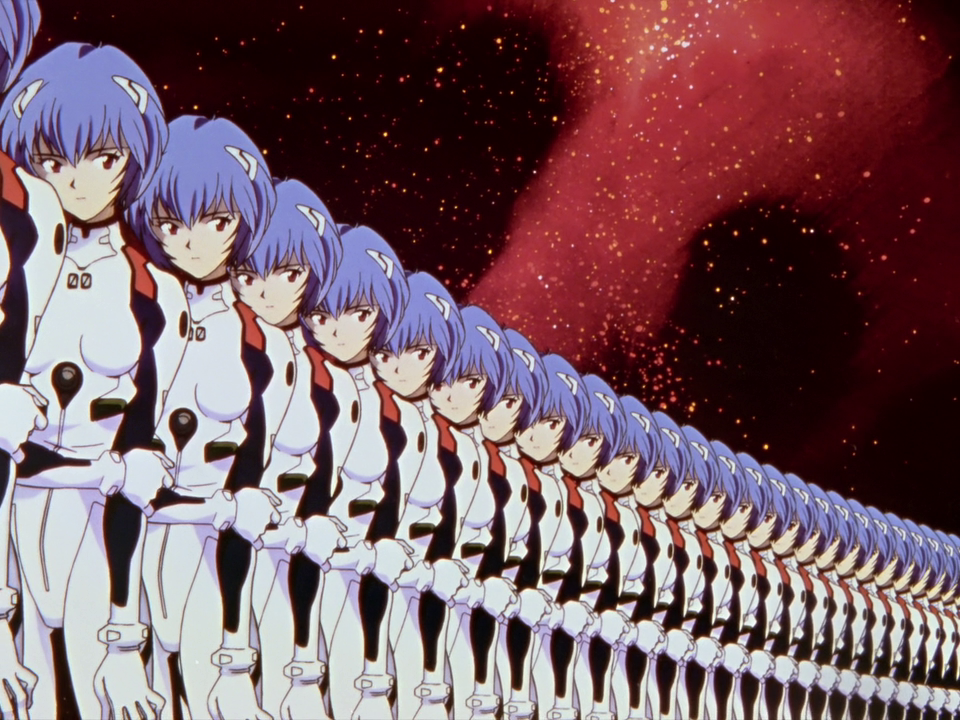
Freedom and Responsibility:
Finally, Evangelion explores freedom and responsibility. The protagonists face difficult choices that test their ability to act autonomously. The series raises profound questions about the possibility of truly being free in a world full of obligations and the responsibilities each person carries, towards themselves and others. 
These philosophical themes, woven into the narrative, provide a powerful and sometimes unsettling reflection on the human experience, making Neon Genesis Evangelion one of the most analyzed and discussed works in the history of animation.
# INFLUENCE AROUND THE WORLD Neon Genesis Evangelion has had a lasting impact both on the anime world and on global popular culture. Launched in the 1990s, the series revolutionized the animation industry, influencing video games, fashion, merchandise, and visual storytelling. In Japan, it became a cultural phenomenon due to its complex symbolism, which includes Christian crosses and references to the Kabbalah, and it solidified the reputation of Studio Gainax and director Hideaki Anno. Iconic characters like Rei Ayanami and Asuka Langley Soryu have become enduring symbols, with Rei often seen as one of the most representative female figures in 1990s anime. Globally, Evangelion has been praised for its psychological complexity and bold storytelling, helping to introduce anime to a wider audience and elevate its status as a respected art form. The series' influence extends into popular culture, with media and derivative content including tributes, parodies, and reinterpretations. Its iconic imagery and mecha designs have become global cultural heritage, influencing other creators and sustaining ongoing interest.
# IMPACT ON POP CULTURE Evangelion's influence on popular culture extends beyond its commercial success and critical acclaim. The series has inspired a wide range of media and derivative content, including tributes, parodies, and reinterpretations in films and TV shows. Its iconic imagery, such as the complex symbolism and mecha designs, has become global cultural heritage, influencing other creators and sustaining interest. 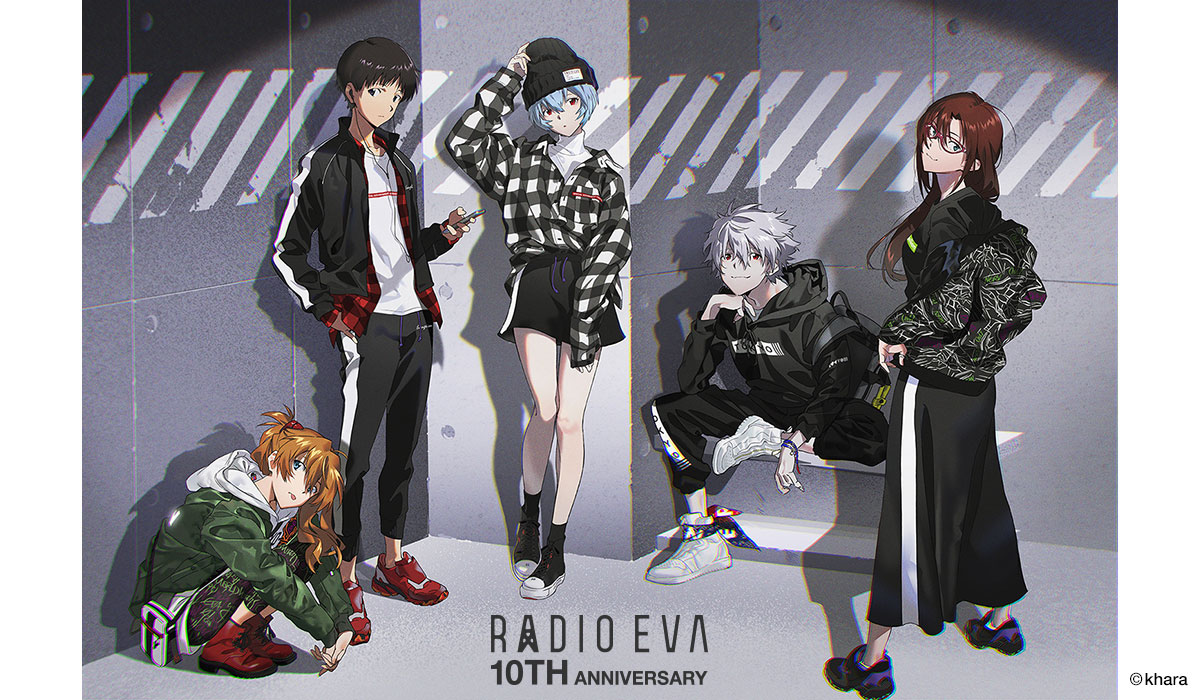
The Evangelion fandom is vibrant and passionate, with intense debates on various aspects of the series, such as the famous "waifu wars" between Rei Ayanami and Asuka Langley Soryu. These debates showcase the fans' affection and the series' lasting impact on pop culture. Rei and Asuka have become icons not only for their roles in the series but also for their cultural significance, representing archetypes of beauty, strength, and vulnerability. 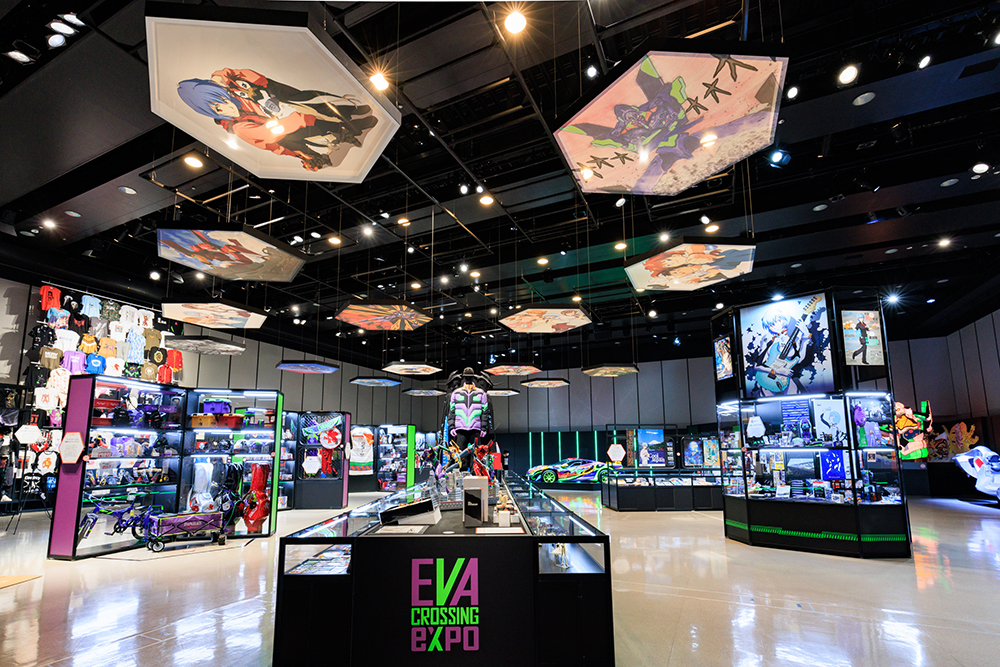
In conclusion, Neon Genesis Evangelion is more than just a successful series; it is a cultural phenomenon that has left an indelible mark on animation and global popular culture. Its influence continues to be felt through media and the lively fan debate, making it an essential work for understanding the evolution of anime as an artistic medium.
# WHY IS EVANGELION A MASTERPIECE? In the vast panorama of animation, an "anime masterpiece" goes beyond mere entertainment, leaving a lasting imprint on viewers and the medium itself. Such works are characterized by profound storytelling, extraordinary artistic quality, and significant cultural impact, innovating and exploring complex themes with great mastery. Neon Genesis Evangelion stands out as a masterpiece due to its exceptional narrative and artistic quality. It revolutionized the mecha genre, elevating anime storytelling to new levels of sophistication. The series combines action, psychological drama, and philosophical reflections, exploring universal themes such as alienation and the search for meaning within a post-apocalyptic context. Its narrative complexity and character depth provide an insightful look into human psychology, while its innovative visual design and production quality set new standards. In summary, Evangelion not only entertains but also invites deep reflection on the nature of existence and meaning, establishing itself as one of the most significant works in the history of animation.
# CONCLUSIONS This will be the most personal part, so if you’re not interested in my opinion, you can feel free to close this and I sincerely thank you for reading this far. If, however, you decide to stay, here are my more intimate thoughts on Neon Genesis Evangelion: Neon Genesis Evangelion was not my first anime, but it was the one with which I fell in love with this world. For me, this work had a profoundly transformative impact, especially because I watched it during a particularly difficult and dark period in my life. This anime was not just entertainment; it was a source of reflection and a valuable guide. Through its story and characters, I found a way to organize my thoughts and confront my personal challenges. Watching Evangelion was like embarking on a personal journey alongside its protagonists. The series acted as a mirror, reflecting my fears, insecurities, and hopes. I felt deeply connected to the characters, particularly Shinji and Rei. Their struggle to find meaning and their place in the world mirrored my own inner challenges. These characters helped me explore and understand parts of myself that were previously dark and confusing. 
My connection with Rei Ayanami, in particular, has been deep and personal. Her complexity and mystery fascinated me and helped me reflect on many of my emotions and thoughts. As you might have guessed, she is my favorite character. (I also like the other characters, but Rei has something that touches a deep chord within me.) 
With this, my review comes to a close, and I hope it hasn’t been too long. You have no idea how difficult it was to find images without spoilers, but I think I did a good job. I am immensely grateful for your attention. I will soon be posting a detailed analysis, possibly episode by episode, though I still need to decide how to proceed. If you haven’t done so already, I invite you to watch this extraordinary anime; it is an experience that can truly change the way you see yourself and the world around you. You won’t regret it. 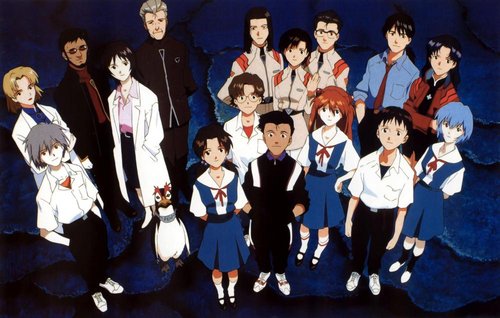
A special thank you to @damned for his valuable contribution in reviewing the text
In that review, I’ll delve into the philosophy (both of the series and the characters), the numerous symbols, aiming to explain them for those less familiar, and I’ll provide explanations for the more complex and/or open-to-interpretation parts. If that interests you, feel free to check it out!
But now, without further ado, let’s get started!
#
- Existential Crisis: The characters grapple with fundamental questions about the meaning of life and their role in the world.
- Interpersonal Relationships: The dynamics between the characters, with their conflicts, alliances, and misunderstandings, are crucial to the development of the plot.
- Psychological Struggles: The protagonists' internal battles profoundly influence their actions and decisions within the context of the series.
Unfortunately, I can't delve into the details in this section, but I will do so in the in-depth analysis.
#

#
#
Now, let's take a closer look at the three main characters:
Shinji Ikari is the protagonist of the series, chosen to pilot Eva Unit 01, a role for which he feels unprepared. His simple and casual design reflects his introverted nature and troubled state of mind, visually highlighting his vulnerability and insecurity. His personality is complex: introverted, insecure, and reserved, he is plagued by a deep sense of inadequacy and fear of rejection. His relationship with his father, Gendo Ikari, is crucial to his development. Shinji craves his father's approval but fears the responsibility imposed on him, creating a conflict between his need for affection and his fear of failure that drives much of his story.
``
``
Rei Ayanami, the pilot of Eva Unit 00, is an enigmatic and detached character, with blue hair, pale skin, and red eyes that give her an almost alien aura. Her understated and impeccable design, combined with her distant appearance, reflects her cold and mysterious personality. Psychologically, Rei appears emotionless and almost apathetic, emphasizing her enigmatic role. Her ambiguous relationship with Gendo Ikari and her unconditional obedience make her one of the most cryptic characters in the series. Despite her detachment, Rei is deeply reflective, and her relationship with the other pilots, especially with Shinji, is crucial to the plot. Her calm and almost robotic behavior hides an inner complexity that is gradually revealed, making her a fascinating and intriguing figure in Evangelion.
Asuka Langley Soryu, the pilot of Eva Unit 02, stands out for her vibrant and bold style, reflecting a dominant and self-assured personality. Her clothing and hair color, contrasting with those of the other characters, emphasize her competitive nature and complex interpersonal relationships. Half German and half Japanese, Asuka has a fiery temperament and great confidence in her abilities, which often lead her to clash with others, particularly with Shinji. Her determination to excel stems from a deep need to prove her worth and gain recognition. However, behind her confidence lie vulnerabilities and insecurities that Asuka desperately tries to conceal. Her presence introduces tension and rivalry, but also introspection, revealing the complexity of her character. Asuka enriches the narrative by offering a different perspective on themes of strength, failure, and identity.
``
The characters of Neon Genesis Evangelion are undoubtedly the foundation on which the series stands, not only for their extraordinary design but also for their profound humanity. Each character, whether protagonist or not, is portrayed exceptionally and evolves naturally as the plot unfolds. They are written with such attention to detail that they seem literally real, allowing anyone to identify with one of them and making the viewing experience particularly engaging.
#
- Narrative Rhythm: Evangelion features a narrative structure that intertwines episodic elements with a continuous storyline. In the early episodes, the series adopts a relatively self-contained format, where each episode introduces a new Angel and a distinct challenge for the protagonists. This approach allows for the exploration of various aspects of the world and characters. However, as the series progresses, a deeper and more complex narrative arc develops, linking the various stories into a cohesive fabric. This arc focuses on psychological and philosophical themes and gradually reveals the mysteries surrounding the Eva and the Angels, making the narrative increasingly intricate and engaging.
- Information Management: The series is renowned for its non-linear and layered approach to information management. Crucial details and connections between events are revealed in a fragmented manner, often through flashbacks and dream sequences. This approach requires the audience to pay close attention and interpret the various layers of meaning to fully understand the plot and character motivations. Although it can be challenging, this complex structure enriches the narrative, offering a deeper and more stimulating experience.
#
The existential crisis permeates the entire series. The characters, especially Shinji Ikari, constantly question the meaning of their existence and their place in the world. Alienation is represented both physically and emotionally, and Tokyo-3, the post-apocalyptic setting of the story, amplifies this sense of disorientation. The search for meaning in an apparently purposeless universe profoundly reflects the human condition.
Loneliness is pervasive in the lives of the protagonists. Even when surrounded by others, the characters often feel isolated and unable to form genuine connections. The series explores the difficulty of communicating one’s feelings and connecting with others, mirroring real-life experiences of alienation. Relationships in Evangelion are complex and dysfunctional, reflecting the fears and insecurities of the characters.
Identity is a crucial theme: the characters struggle to define who they are in a world that constantly threatens their sense of self. In Evangelion, identity is constantly evolving, influenced by traumatic experiences and interactions with others. The series invites reflection on what it means to be oneself and how external pressures can shape our perception.
Finally, Evangelion explores freedom and responsibility. The protagonists face difficult choices that test their ability to act autonomously. The series raises profound questions about the possibility of truly being free in a world full of obligations and the responsibilities each person carries, towards themselves and others.
#
#
#
#