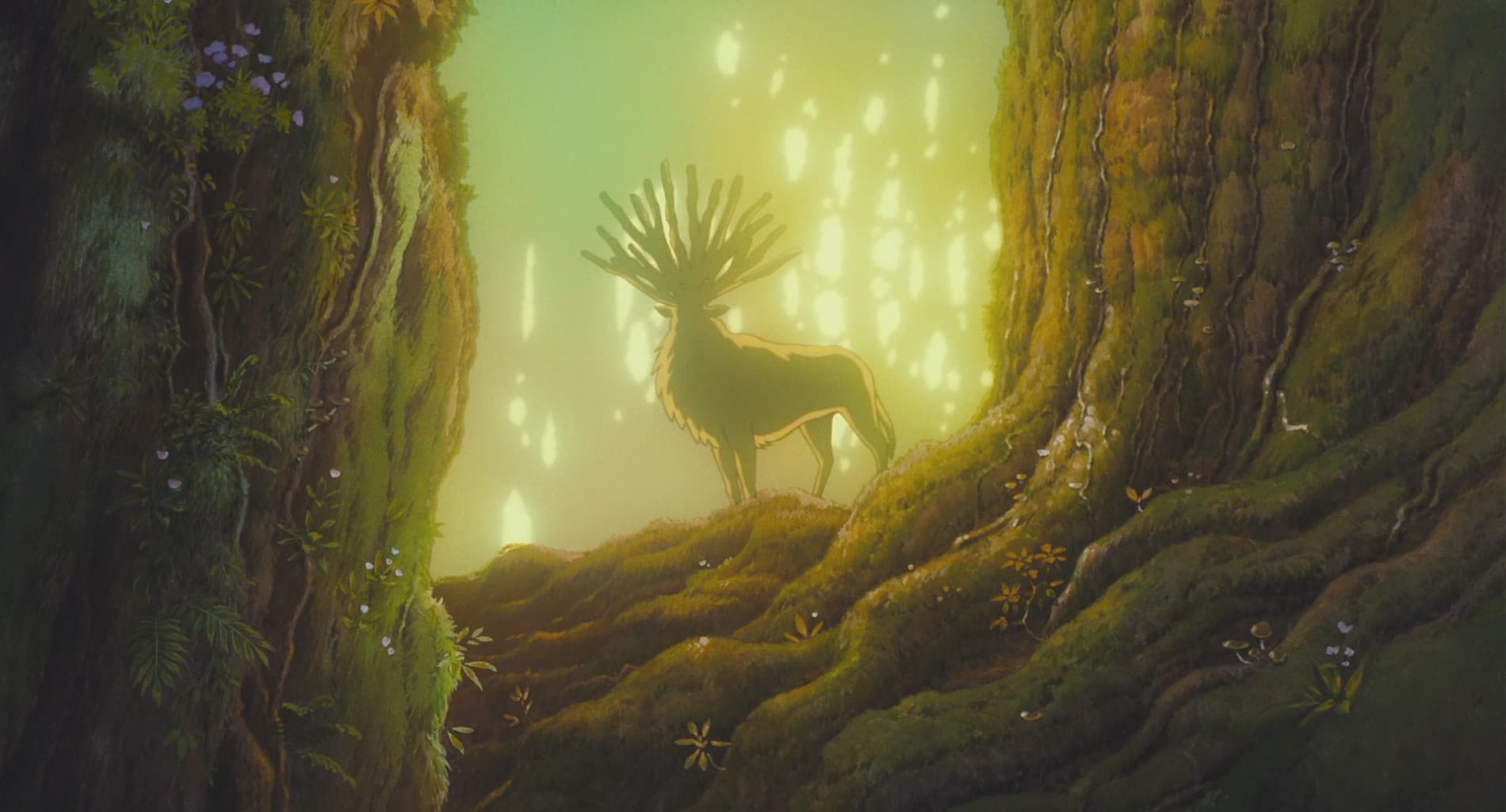
Princess Mononoke is probably Hayao Miyazaki's most ambitious project since his 1984 classic Nausicaä of the Valley of the Wind, showcasing his mastery of large-scale narrative and visual storytelling. Miyazaki has always brought his animated worlds to life in a way few others can. Still, the immersive quality of his films is even stronger thanks to the rich, real-world parallels he draws on. In Princess Mononoke, Miyazaki dives deep into moral complexity, depicting a war between nature and humanity with stunning visual and thematic beauty that highlights the film's depth.
While Princess Mononoke examines the clash between humans and the environment, many critics argue that Miyazaki did not intend to offer a thorough perspective. Instead, the film focuses on coexistence and mutual respect, using allegory to address environmental issues. The multidimensional portrayal of characters encourages reflection on human impact on nature and vice versa, provoking thought and discussion about our relationship with the environment.
Set during Japan's Muromachi period, the story starts with the protagonist, Prince Ashitaka, facing off against a demon. After defeating the monster, Ashitaka's right arm gets cursed, sending him on a mission to discover the source of nature's unrest. Along the way, he meets San, a woman raised by wolves who deeply resent humanity, and Lady Eboshi, a practical village leader whose idea of progress involves exploiting the forest's resources. By placing Ashitaka between these opposing viewpoints, Miyazaki skillfully navigates the moral gray areas. As a director known for his pacifism, Miyazaki's approach makes Princess Mononoke one of his most thoughtful films.
Princess Mononoke explores complex moral ambiguity by avoiding a clear-cut narrative. The film presents conflicting motivations and gray areas, encouraging viewers to grapple with these nuances. The lack of a definitive resolution reflects the ongoing nature of environmental and ethical issues. The film's open-ended format makes for a more thought-provoking viewing experience while recognizing the difficulties in coming up with answers in a society where values and interests conflict.
A major topic in most of Miyazaki's works is humanism, evident throughout his films. Princess Mononoke contains some of his most pacifist sentiments despite being his most violent film. Miyazaki never looks down on his characters for their beliefs; instead, the film's power comes from its nuanced portrayal of the broader consequences of their actions. At its heart, Princess Mononoke is a love letter to nature, with Miyazaki's stunning animation capturing the coexistence of humans and animals. However, Miyazaki's method gives his characters more nuance in motivations and problems rather than oversimplifying them.
In Princess Mononoke, there isn't a clear-cut villain. Lady Eboshi, who comes closest, is portrayed with complexity, adding depth to the film's central conflict. Miyazaki's focus on the lasting impact of the characters' actions turns a familiar story into a powerful exploration of how humanity's skewed desires can lead to environmental destruction. Despite the opposing forces in the film, Eboshi is an admirable character who exemplifies the balance between advancement and preservation. At the same time, Miyazaki's sympathetic take on San's resentment toward humanity deepens the narrative's exploration of the human nature struggle.
Lady Eboshi is portrayed with complexity and sympathy, potentially romanticizing her role in exploiting natural resources. Her intentions to improve lives and progress may involve environmental damage. This portrayal may lead viewers to overlook the serious environmental consequences of resource exploitation. Miyazaki's approach may downplay the gravity of real-world environmental issues by not fully addressing the ethical implications.
Visually, Princess Mononoke showcases Miyazaki's technical brilliance. The film's vast scope is expertly rendered, ensuring that each scene heightens the majesty of the narrative. The film keeps you interested throughout, whether you consider the decisions made by the characters or the expertly choreographed action scenes. The stunning visuals are paired with Joe Hisaishi's powerful score, creating a cinematic experience beyond just spectacle. Miyazaki's story is thrilling and provocative, with suspense that equals that of Nausicaä of the Valley of the Wind.
Even while Princess Mononoke isn't my favorite of Miyazaki's films, it certainly merits the accolades bestowed upon it over time. It stands out from other animated films by capturing an epic feel, similar to classics like William Wyler's Ben-Hur (1959) or John Sturges' The Magnificent Seven (1960), while keeping an intimate emotional touch. Princess Mononoke may be the most violent film in Miyazaki's canon; it does a better job than any other in expressing the pacifist ideas of the director. It's more than just a story about the conflict between humanity and nature; it's also about reclaiming what's been lost to external forces. Few films, animated or live-action, tackle such complex issues with the same level of thoughtfulness that Miyazaki brings to Princess Mononoke, making it one of the most visually and thematically rich films in its genre.
23.5 out of 26 users liked this review