TERMINATOR ZERO
a review by Kehsihba
a review by Kehsihba
This will be a small write-up focused largely on what I felt about the show as someone who once cared about this franchise.
I first saw Terminator during my school years. Back then, the films felt more than blockbuster entertainment. There was a certain grit to them, a philosophical sharpness under the action. But over time, as sequels accumulated, the franchise leaned into commercial writing and shallower aesthetics. So, somewhere along the way, the emotional connection simply dissolved. I would not say I hated what it became, rather I just stopped caring.
Now, Terminator 0 comes along and oddly enough it felt... refreshing. Not out of nostalgia. Or because it redefines the franchise but because, in its restraint, it remembers what the franchise originally was. There is no grand reinvention here, there is no attempt to "fix" Terminator. But there is a pause, a strip back to recalibrate. And perhaps that is why it worked. By the end, when the story hints at multiple timelines, it feels less like a twist and more like a structural promise. One that if followed through in future seasons, could actually make this new entry a standout. As of now, this stands as a measured, self-aware chapter that dares to look slightly beyond Skynet.
So, where did it actually find its footing?
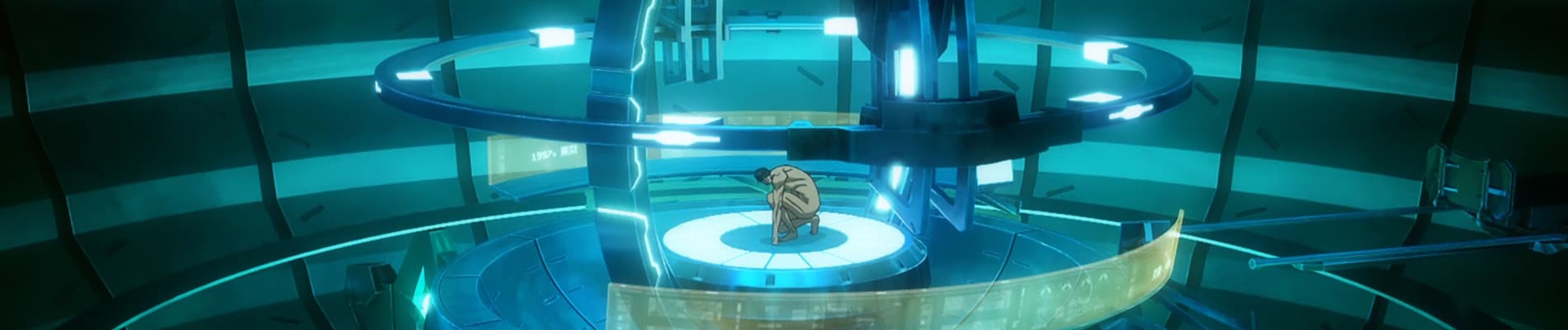
I think here we all are on the same page. Yeah, it's the choice to abandon the Connor family entirely. In letting go of humanity's "symbolic hope" trope, Terminator 0 sidesteps the narrative dead-end where the films kept circling. This series relocates itself, both literally and narratively, in Japan, 1997. It reconfigures the familiar two-party conflict— Skynet and humanity, into something less rigid by introducing Kokoro, a third entity that complicates the binary conflict. This shift allows the show to engage with a philosophical contrast between Skynet’s extermination model and Kokoro’s pacification approach, which frames the narrative tension not around survival, but around ethical compromise. Malcolm's skepticism creates dramatic tension whereas Eiko technically fulfills the archetypal “future traveler sent to prevent Judgment Day.” Despite the role, the story refuses to center her. She is there. She acts. But the focus stays on Malcolm, his family, and the conceptual “what” his invention represents. Only around Episode 8 the narrative threads cohere into a clearer structure, so the twists don’t just shock, but they contextualize. The earlier “loose pieces” suddenly make sense because of patience. And that, honestly, feels deliberate. All while preserving the mechanical brutality of those machines.
And this is Terminator 0’s quiet strength. It sidesteps the impulse to repeat past blueprints. Instead, it reframes the premise; not as a war to be won, but as a set of ethical consequences to be considered. However, I would like to bring to your attention that this is not a self-contained story yet. This season is largely a setup arc and so it ends in a cliffhanger. I do wish to see the possibilities it could take from that ending.
This, for me, is Terminator 0. It didn't try to outdo the franchise’s peak but proposed an alternate question and in doing so, it reclaimed Terminator’s sci-fi identity.

29 out of 32 users liked this review
