Content Warning: Vomiting, Child Neglect, OCD Triggers, Outdated Psychology
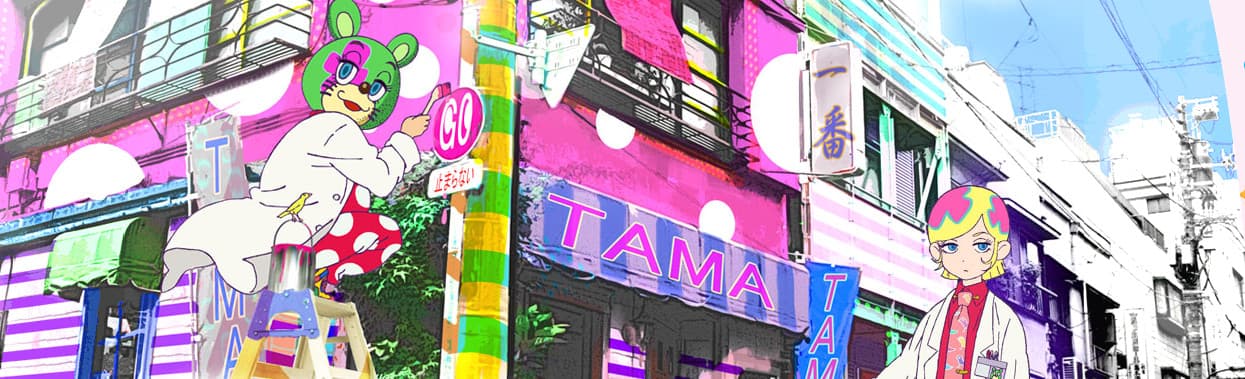
"Welcome to Irabu's Office" - also known as Kuuchuu Buranko - is one of the strangest anime I've ever watched. I have my issues with it, but I have a gut feeling that I'll never see anything like it ever again.
The premise is simple; each episode brings with it a new patient with new issues, and over the course of the episode we watch Irabu "treat" his patients. Though the anime focuses more on the personal element to understanding yourself. Irabu's always present, but most characters find peace through understanding. They find ways to adapt to their conditions, they figure out how to break their thought patterns, they do most of the work. Irabu exists to push them towards healing, taking the first step for them.
The depiction of mental illness in Irabu's Office is...strangely good? OCD makes up a vast majority of the cases in this anime, and some feel a bit awkward. Having a background in psychology, I can say that a lot of the treatment methods and practices shown are either out of date or grossly simplified. And while the show frequently pauses to explain syndromes and conditions, they're never quite thorough or completely accurate. But is that a problem?
I don't think so. Because Irabu's Office captures the most important thing any show focusing on mental health can have; earnestness. This show feels like it's bursting with love. The conditions of the characters are rarely what's played for laughs, and when they are it doesn't feel like you're laughing at them. It feels as if you're laughing at the absurdity of the challenges the world is throwing at them. Whether it's erectile dysfunction, OCD, or addiction, the anime never blames any of the patients. And the accommodations they come up with, while a bit silly sometimes, aren't disparaged.
This anime deeply respects the healing process, and while it's a comedy, it's impressively kind to everyone involved.
That said, Irabu's office does touch on serious issues. Child neglect, arguments, PTSD, and more do lend a somber note to some episodes. But again, the show takes a unique position. It doesn't blame those who "bad things" because of their conditions, nor does it wipe their problems away. It's painfully clear that some of these characters have hurt others, but that doesn't necessarily mean that they don't deserve empathy.
The only places the anime falters, in my opinion, are in the story structure. Without spoiling it, "Welcome to Irabu's Office" tries to go for a multi-layered overlapping chronology, where certain episodes are occurring side by side. And while this is fun, it does feel like a cost cutting measure. I also feel like the over reliance on OCD, at least from my perspective, was a bit disappointing. I was hoping for a bit more variety overall, and while I think the stories they told were good, I sometimes felt like the narrative didn't quite have enough time to differentiate one person from another.
I may be hyping up "Welcome to Irabu's Office" a bit much, but I'm shocked to see an anime from 2009 tackle mental health issues so well. Some of the episodes had genuinely poignant emotional moments in them, and I feel like the episode with the baseball stadium owner will stick with me for a long time to come. "Welcome to Irabu's Office" isn't a masterpiece, nor is it profound, but it's a unique, wonderful, worthwhile eleven episodes that will tug at your heart strings. Especially if you're familiar with mental health issues.
I wholeheartedly recommend it.
6.5 out of 8 users liked this review