A beautiful multi-generational masterpiece that dives deep into the rich art of Rakugo, the history of Japan, and a character study. The whole story starts with “The God of Death.” it what attracted Yotaro (during imprisonment) to the Eighth Generation, and it’s a prevalent motif of the series as a whole. This could be in relation to the art of Rakugo in general, the Eighth Generation (Kikuhiko), and the many burdens the characters face in this series. Season 1 and Season 2 should definitely be watched together, as they are two halves of the same picture. Season 1 primarily deals with postwar Japan, and Kikuhiko is the primary lead. Season 2 is a balance between Yotarou and Kikuhiko and how they navigate the present.
One of the most amazing aspects of the series is definitely the performances. Tomokazu Seki, Akira Ishida, Megumi Hayashibara, and so many fantastic voice actors went above and beyond. Voice acting is already an immense gig then add Rakugo to the mix, and it certainly will be a challenge to tackle. Yet these performances felt so effortless, how brilliantly they captured the people in this profession. I could only imagine it would hit even harder understanding the language, as the nuances, emotion, and feeling poured into every word performing and outside of Rakugo. This is not even mentioning the brilliant direction by director Shinichi Omata, Kan Kannou's legendary soundtrack, an authentic yet modern soundtrack that feels reminiscent of jazz. Which I guess could make sense as Jazz started as a black art form during the Harlem Renaissance, whereas Rakugo is a timeless Japanese art, and both have evolved throughout the centuries.
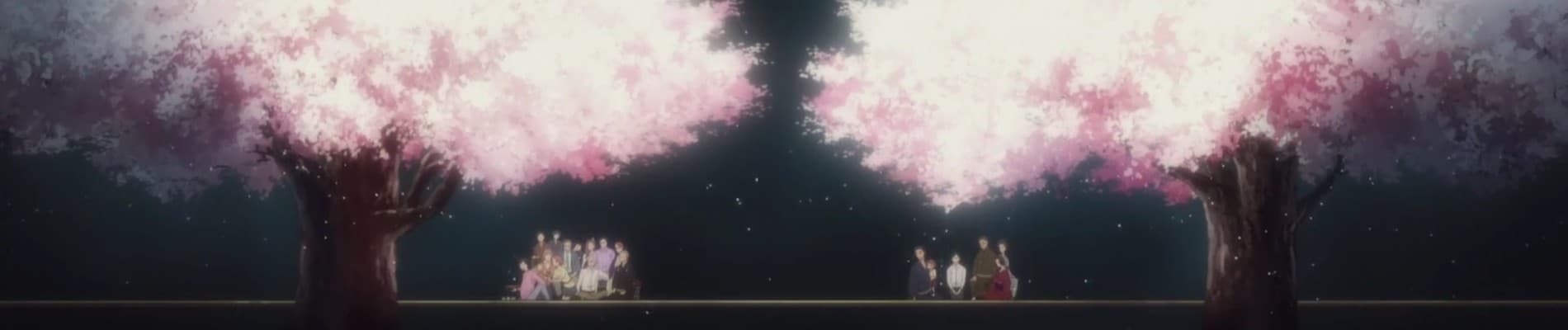
Studio DEEN's reputation is often quite odd. On one hand, they were the studio responsible for the masterpiece that is Angel’s Egg and the beloved Trust and Betrayal, but on the other hand, there are also some very unremarkable projects. Nevertheless, this adaptation was brilliant, everyone who worked on the anime pulled were at the top of their game, especially its stunning art direction. The character arcs are all brilliant, especially in the context of what this show sought to achieve in terms of its themes. Kikuhiko obviously being my favourite, and there’s many other characters who are flawed and realistic people. I loved how the series ended, especially the last two episodes, it critically examines the core themes the show has been exploring throughout and brings across a message I’m doubtful will disappoint anyone. Showa Genroku Rakugo Shinju is a character study, it’s a history of assumed dying art (if it will live on for the future generations), a history of Japan. It’s about legacy, sin, forgiveness, and the bonds that we form from our beginning to our end to the afterlife. It’s about a lot of things, which I believe you should contemplate what it means to you when you watch this show.
It technically took years for me to watch it, I’m not sure why in all honesty, but I’m glad I stuck around and completed this masterpiece.
P.S. When watching it, make sure the first episode is 90 minutes (referring to Season 1) and not broadcast a 46-minute version, as the former is a director’s cut which is incorporated in the Blu-ray releases.
30.5 out of 31 users liked this review
