
▶ Video (Credit to Muhamed Ali Mukhtar. In one of the episodes, the mystery is a trivial one about how hot chocolate was made by one of the characters. The plot threads get slowed down to a crawl, but in the highly animated sequences, it’s easy to get lost in even the most mundane events that this anime shows.) 


(Imagine if Anna Yanami was a part of this show. I think this show would become a murder mystery.)
Shoshimin: How to Become Ordinary is quite a curious title. With it being a mystery anime, even just its title leads me to question things. “Shoshimin”, is translated as the petite bourgeoisie, which refers to someone in the lower middle class. So indeed, that might be what constitutes an “ordinary person” in a financial sense. Who or what is trying to be ordinary though? The characters? The whole plot itself?
A likely reason why you (and myself) might be interested in this series is that it was written by the same author, Honobu Yonezawa, who wrote another mystery series in Hyouka. I can definitely see the similarities in these two series, with both tackling mysteries that are grounded in the sense of ordinary, mundane life. Shoshimin takes it one step further though, and in my opinion, brings it to an even more “ordinary” sense, with little mysteries in daily life that seem even trivial to most people. For most of this season, the show revolved around simple daily tasks, like buying sweets, solving a mystery of who ate the missing sweet, things that we might take for granted through our lives, but through all these experiences, they coalesce into a larger mystery, which is one of the things I appreciated most about this series.
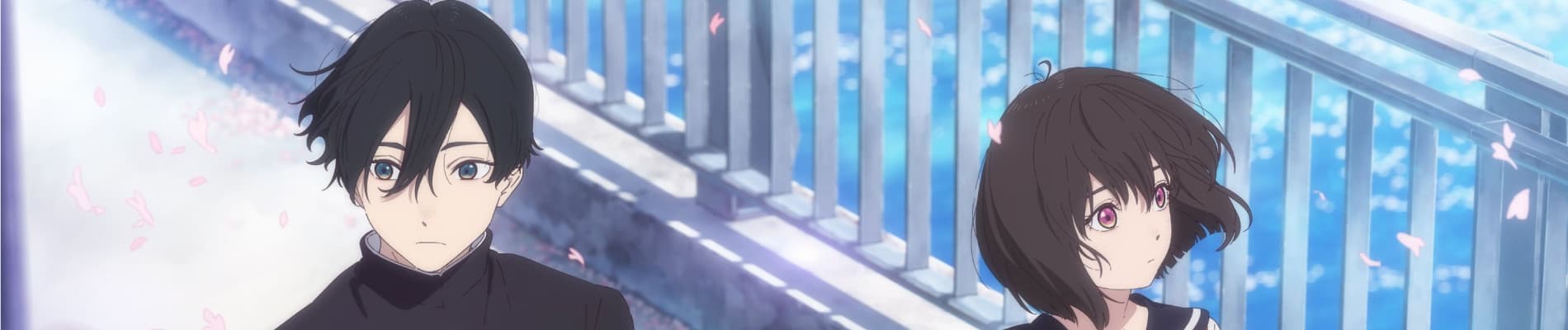
▶ Video #####A big mystery, is why Jougorou’s agreement with Yuki, which was to be “ordinary” together, exists. Why do these two want to be ordinary, and stay out of people’s lives? What were their pasts like? Bit by bit, by watching the two main characters and their lives, and how such twisted individuals have such trouble with being ordinary, one being drawn to being a detective, and the other having sharp insight and the ability to act quickly, we get to know just a tiny bit about the characters. Though, we have to ask, what does “being ordinary” actually mean? Does it mean that you go with the flow like everyone else, or act like everyone else does? Jougorou’s definition of being ordinary seems to revolve around not butting in to other people’s problems, or in other words, keeping the status quo, but by trying so hard to keep that status quo, it seems more deviant than ordinary, in trying to quell every one of life’s swells.
(The intensity of the show sometimes went to a fever pitch, and despite Yuki’s outward cuteness, her inner self seemed to be the biggest mystery of the entire show so far.)
The biggest issue that people might find with this show is that there’s no real hook. It’s more of a “feeling-out process” then something with an immediate pay-off. Through its overall gorgeous visuals, it can hook you into the most “boring” and mundane of mysteries, or entrap you in its depiction of delicious sweets that have you frothing at the mouth. If you’re not into that, then this show is not for you, but the show certainly invites you to try it out, with its initial slow pacing. It’s easy to feel that it’s average or boring, but I think that is what the show is going for, because in showcasing what it means to be ordinary, the show must feel like that as well. In that sense, I think the show did that extremely well.
(In its good utilization of three-dimensional space as pseudo backdrops throughout the telling of mysteries, the show has crafted its unique sense of aesthetic, tone and an identity)
As a second season is on the horizon, I say, we let them keep cooking. If the food looked that good, whoever was in the kitchen knew what they were doing, that’s for sure. Overall, the show did its job well in allowing the viewer to find intrigue and beauty in the mundane. It slows down to the pace of an iyashikei sometimes, yet swells up with tension ever so slightly to keep you interested. It’s not an approach to a show I have seen much at all, and that’s all the more reason why I ended up enjoying it as much as I did. The only thing that I’m questioning is the direction that the story is going in, and what the main point of the show is, but since there is still more to adapt, there’s time to rectify that issue.
With so many questions left unanswered, one can only say, “I’m curious!”
▶ Video #####