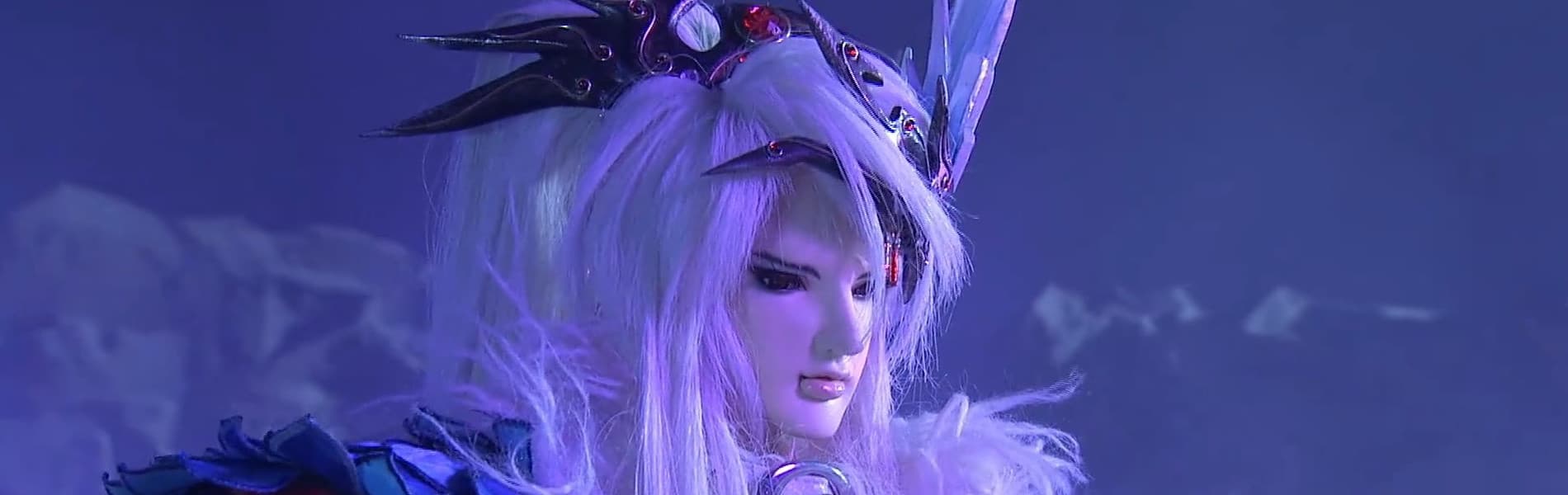
Thunderbolt Fantasy takes everything that gives anime its reputation for theatrics and cranks it up to a thousand — fully aware that many first-time viewers will be unfamiliar with its unique fusion of glove puppetry and digital animation, and capitalises on that charm to hook one from the outset. This series is a spellbinding blend of Taiwanese puppetry, Chinese wuxia, and Japanese storytelling by Urobuchi Gen that captures the essence of an entertaining epic fantasy.
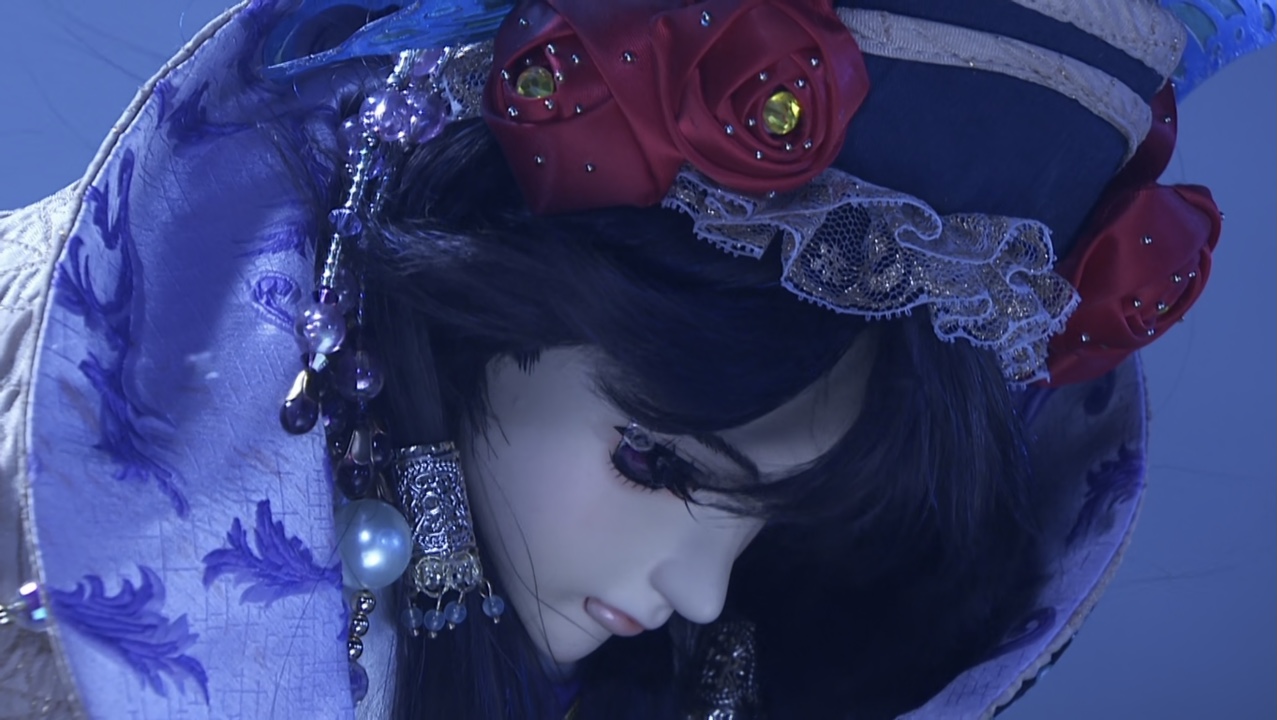
To tell the truth, Urobuchi is one of the few authors who, despite often putting together impressively focused narratives with intriguing topics, has always left me feeling a certain distance from his stories — usually due to either the treatment of a female character or the execution of a particular theme, which ultimately clouds my enjoyment of the other elements. Hence, going into TBF, the fact that the characters were puppets wasn’t the only thing I was hesitant about. I went into the show expecting a similar experience to the author’s other works I’ve watched and read — though, much to my surprise, came away absolutely loving it from start to finish. While some of my usual reservations persisted, such as how Tan Hi’s character is treated and (un)incorporated into the latter half of the show, the positives far outweigh any of the shortcomings to such an extent that I remained elated and immersed in every other moment. And to me, this is a testament to how much creative freedom and passion can transcend an author’s usual style of writing.
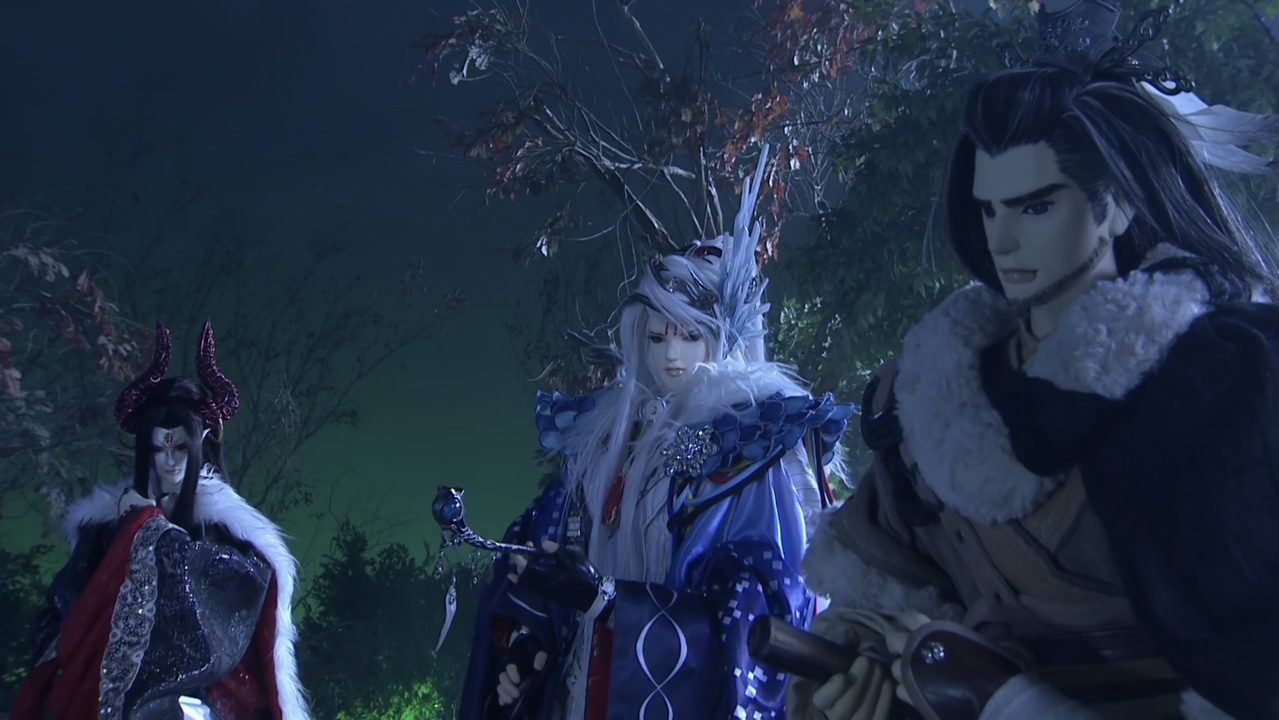
The heart of Thunderbolt Fantasy lies as much in its perilous quest marked by betrayals, magic, and mystical swords as in its unforgettable cast. From schemers to reluctant heroes and outright oddballs, they bring thrills and surprises to every episode. The high-stakes sword clashes and delightfully goofy moments create a nice balance and the series manages to be as charmingly campy as it is epic; one minute, you’re wrapped up in a life-or-death duel while an alluring, lilting poem in Min Nan is recited — the next, you’re chuckling at the absurdity of the characters’ antics and their unexpected interactions.
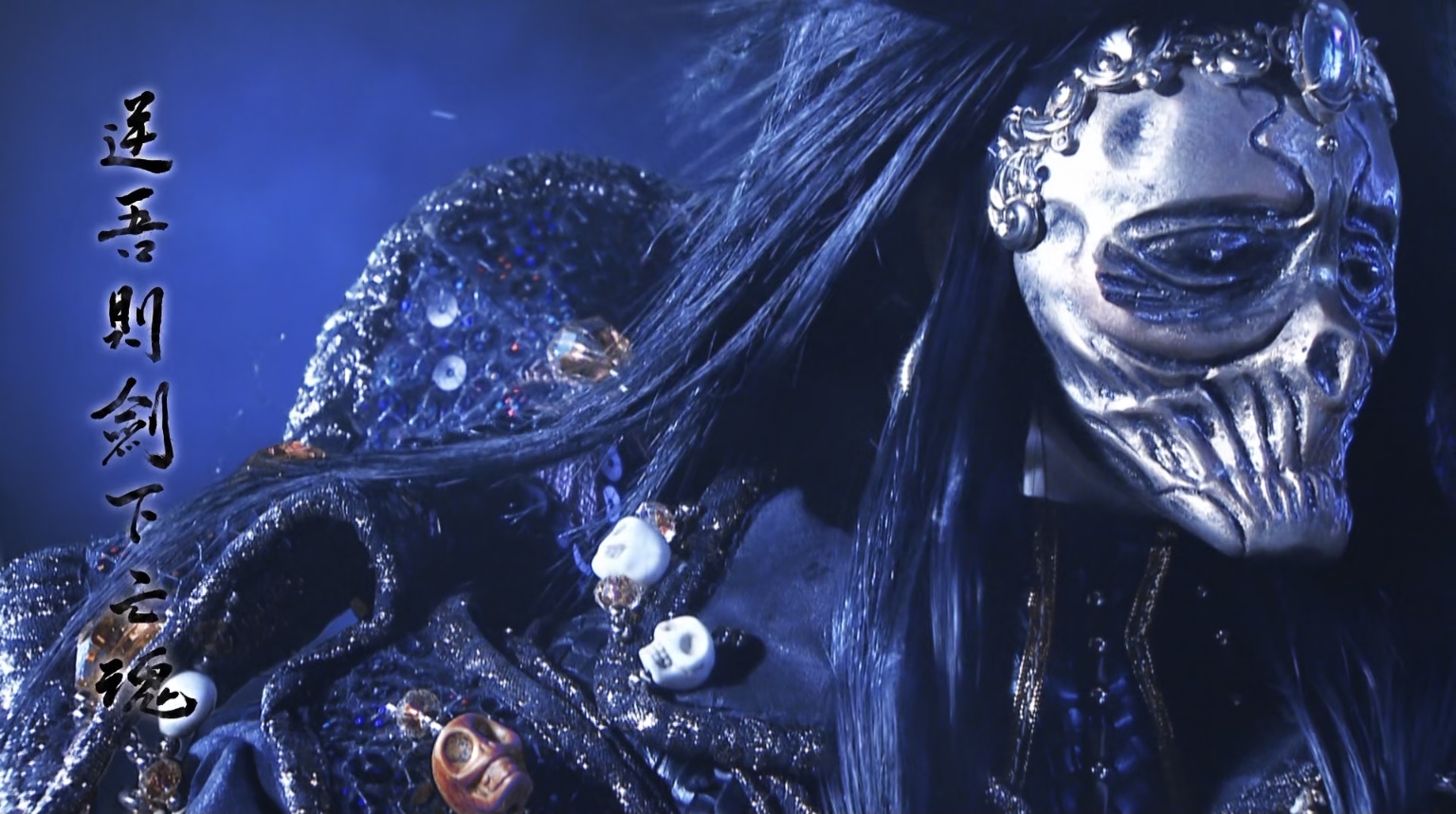
The most distinctive feature of the show is undeniably the puppets. Each main puppet is operated by a specific master puppeteer, and the amount of detail put into their body language is a crucial part of what imbues them with life. Emotions are conveyed not only through expressive movements but also brilliant voice acting and beautifully composed score by Hiroyuki Sawano. Beyond the music and puppets themselves, the entire production is a visual feast. The sets and backgrounds, costumes, as well as props are all exquisitely designed, while the effects such as explosions, blood, tears, smoke, etc. are executed in real time, much like a live-action production. I just can’t get enough of observing each scene, trying to work out the specifics of the craft and fight choreography. And despite most of the action being handled by puppeteers, the choreography remains seamless, with camerawork that is simply superb.
17.5 out of 18 users liked this review
