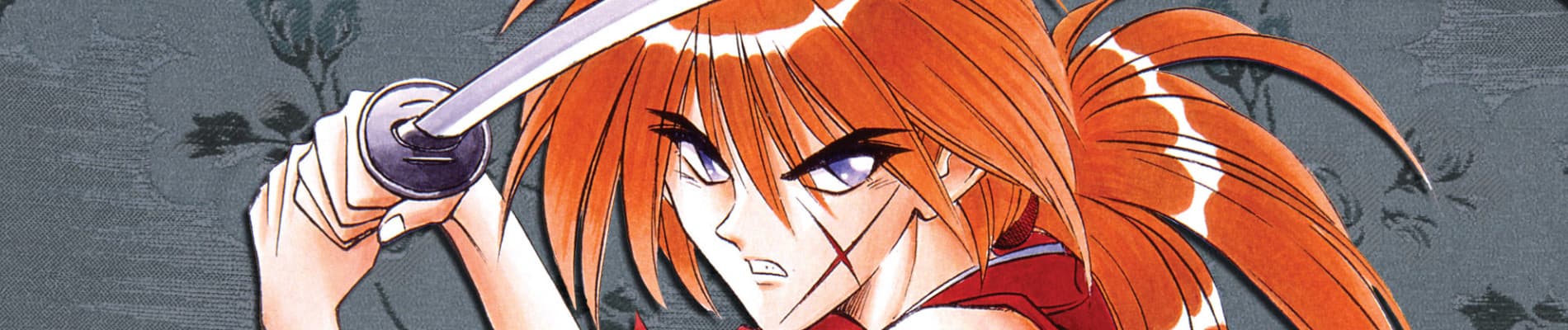
Rurouni Kenshin
a review by baba13
a review by baba13
Rurouni Kenshin is without a doubt a beloved 90s WSJ series, and it’s classic for a good reason. Though admittedly it didn’t affect me nearly as much as its reputation has given it.
I understand why this could be important for a teenager’s formative years because of the morals and ethics it explores. It teaches history but doesn’t glorify the individuals to a ridiculous level, they are fundamentally human. A series tackling non-violence is always going to straddle a tightrope. The series contains some beautiful illustrations, is poignant with its philosophy, has some great character designs, and is well-being a fun action shounen series. With an ending I felt fitting and conveying what it intended well. It’s ultimately a good manga; I without a doubt believe that, yet fundamentally it fell short. It genuinely had so much potential and a foundation to built upon it often feels cut short.
It is somewhat difficult to articulate the problems or missed potential. Every time an arc or dramatic moment occurs, it comes so close to being truly great but doesn’t go far enough. I know that’s a vague sentiment, like it’s historical setting; I wish it went further into it, same for the philosophy it explores, deeper characteriszations, cut down the redundant fights, and make each encounter more meaningful. Like the henchmen just before the “final boss” was so lame, I don’t know why the character is even involved.
I don’t believe it’s educational as a review to poke holes in each “problem” of the arcs in Kenshin and the missed potential, but I will state some broad criticism. The main one would be Kaoru, my fundamental issue with the character is that technically she had a good amount of potential, which was squandered almost instantaneously. She only really works as an anchor for Kenshin but lacks real depth. The problem isn’t that female characters lack depth as a whole; for 90s shounen, I can accept that, but for someone who is one of the main characters and at the centre of almost every major event, it’s extremely disappointing. An example, her student Yahiko. He is just a 10-year-old kid, and technically these two are in a master-student relationship. You wouldn’t really be able to tell that, as Kaoru barely fights in the series and often acts like a damsel while her apprentice is actually fighting. At one point, it's played for laughs, the master acting helpless, and knees are shaking while watching her student fight dangerous foes. If she lacked swordsmanship skills in the first place, I wouldn’t care, but why make the central heroine a very proficient swordswoman and do nothing about it? It’s interesting because Megumi exists, and she is probably the best-written female character here. She isn’t amazing, but at least she doesn’t feel so wasted and serves her purpose well.
I don’t mind the more cliché aspects of shounen action series, but yeah, the Yahiko aspect really feels nonsensical. In terms of Sanosuke's progression, I don’t think it’s entirely deserved, but it plays into a stereotype well enough: “iron body and unbeatable will…”.Before ending the review, I do think some of the politics were nice. The corruption of institutions from both the yakuza and government and how history is ultimately rewritten. In conclusion, I do think it’s an important series for its legacy and a classic for a reason, though sadly it missed the mark to make it particularly legendary for me.
16.5 out of 23 users liked this review
