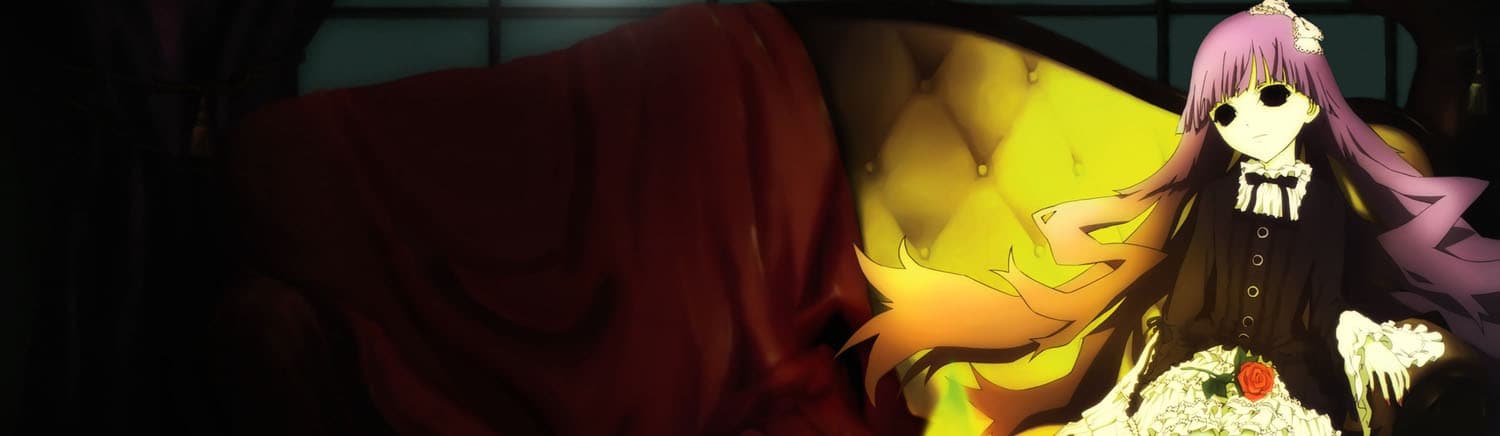
Shiki
a review by asphodelic
a review by asphodelic
[There is no such thing as an objective review. Interpretations and opinions of all forms of art and expression are subjective.]
Vampire stories have been done to death. The world has seen gothic vampires who reside in grand castles and feed off of beautiful women. We've read about rich vampires who own plantations and devour their slaves. Our eyes have beheld sexy teenage vampires who battle werewolves and only drink the blood of animals. How does one find new forms of horror in a sub-genre as tired as the very monsters whose coffins have long been covered in dust?
Shiki’s answer is simple: Rather than its vampires being some enigmatic figure in a position of power or a mysterious sex bomb, have them be perfectly normal people. Lots and lots of normal people.
The setup initially sounds like rather standard horror fare: a sleepy, evergreen town nestled in the middle of nowhere slowly succumbs to paranoia and chaos. However, don't be fooled by its character's garish hairstyles and wild costumes. Shiki’s horror is much deeper and nuanced than what its appearance would suggest. It has much more to offer than base monsters in the dark and the inevitable end. With a tightly written script and characters who are both flawed and sympathetic, Shiki slowly subjects both its cast and audience to new forms of fear:
The fear of hurting and losing those you love.
The fear of those you know turning against you.
The fear of becoming something you hate.
The fear of the very comforts of your home becoming unsafe.
The fear of those around you unable and unwilling to do anything in the face of an epidemic.
The fear of your world collapsing.
What amplifies these terrors is Shiki’s dedication to humanizing the monsters. The audience is constantly treated to their perspectives, and how different characters feel about their changed existences. After all, they didn’t choose to be vampires. All they want is to live without hunger, and live openly and free from persecution. And if that last bit sounds familiar, then Shiki has done its job correctly.
Slowly and deliberately, Shiki ensnares the audience, escalating until everyone is driven by base instincts and mindless hostility. The line between victim and murderer is blurred. Hate is a venom that spreads quickly, and the demons we accidentally create can be worse than the ones we were fighting in the first place. In the never ending battle of monster and man, Shiki’s immense amount of empathy means it chooses to take neither side. Instead, it lets its viewers wallow in its bloody wake and asks: What lines are worth crossing in order to survive?
27 out of 28 users liked this review
