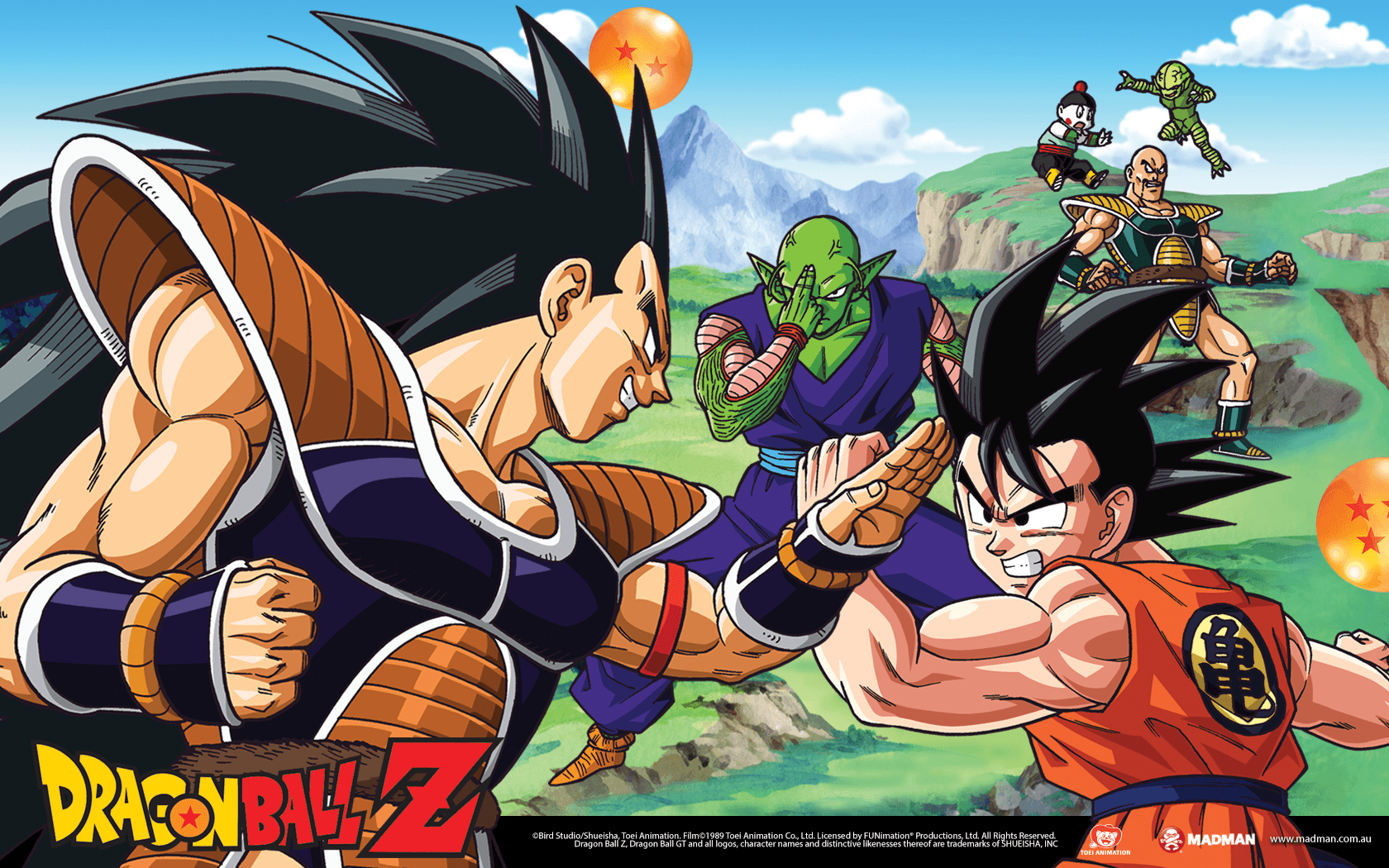
In my original Dragon Ball Z series review, I mentioned that as much as I love the series—and think either the original Z or Kai are great ways to experience it—if you drop the nostalgia and judge it by modern anime standards, especially in English dub form, Kai is easily the better choice.
Dragon Ball Z Kai basically fixes two of the biggest issues with the original Z: the filler episodes and the overall slow pacing. Sure, the series is still long—certainly longer than your average battle shonen—but the way it gets to the point much faster makes it way more enjoyable. You don’t have to sit through episodes of unnecessary padding and events that are never referenced again in any Dragon Ball series.
Now, do these changes suddenly make Kai a perfectly paced series? Obviously not. Even without filler, battle shonen series tend to drag out certain scenes and arcs longer than necessary. But Kai at least trims things down to a more compact, digestible format, which helps a lot.
In my original Dragon Ball Z review, I focused more on the macro level—how the fight scenes are consistently great and, more importantly, how much I love the character growth and interactions. Goku’s love of fighting, Gohan and Piccolo finding their places in the group, Vegeta’s drive to surpass his rival—these elements all add depth beyond just the action.
Now, for this Kai review, I want to give more specific thoughts on the various arcs.
The Saiyan Saga is a great way to introduce the ever-expanding scope of Dragon Ball. Before this, outside of Piccolo’s introduction and Goku’s tail becoming irrelevant, the series was pretty grounded in terms of power progression. The reveal that Goku is an alien was the ultimate retcon in the best way possible. Toriyama opened up the world in a way that explained Goku’s powers beyond just being mysterious. Plus, the Saiyan Saga had real stakes before Dragon Balls became ridiculously overpowered, which added a layer of tragedy that later sagas lacked.
The Frieza Saga, while iconic, is honestly a bit overhyped—or, as the zoomers say, “glazed.” Once the fight with Frieza starts, it’s amazing. But everything leading up to it drags, even with Kai cutting the filler. I like the idea of Gohan, Krillin, and Bulma having to strategize to survive while different groups hunt for the Dragon Balls, but there’s just too much running around that ultimately leads to nothing. This saga also kicks off the annoying trend of sidelining characters while waiting for Goku, to the point where they have to keep knocking him out just so he doesn’t end the arc too early. The Cell Saga at least fixes this by keeping more characters involved, but watching just Gohan, Krillin, and Vegeta go up against various enemies gets dull fast. That said, once Frieza himself finally enters the battle, the long, grueling fight to take him down is incredible and serves as the ultimate payoff to everything set up since Raditz’s arrival.
The Android and Cell Sagas are widely considered the best parts of Dragon Ball Z for good reason. Pacing-wise, they’re the best of the longer arcs, though this happened somewhat by accident due to Toriyama’s editor constantly pushing him to change the main villain. Despite these changes, the saga still feels cohesive, which just shows how good Toriyama is at improvising and making things work with his simple yet engaging writing style. The Cell Arc serves as a necessary turning point for characters like Goku, Vegeta, and Gohan, showcasing their flaws and forcing them to learn from their mistakes. Cell himself is an awesome villain—genuinely terrifying in his early forms and hilariously cocky once he’s perfect.
That said, as much as I love this arc, I have issues with it that keep it from being the “perfect” arc many fans claim it is. The constant villain changes, while interesting, make it hard to take each new villain seriously, knowing they’ll be replaced in 20 episodes. Similarly, while I like the idea of negative character development leading to growth, there are too many moments where characters act downright stupid just to drag the plot out. Characters like Krillin, Android 18, Android 16, Vegeta, Goku, and even Piccolo and Trunks make baffling decisions that stretch things out unnecessarily. It’s entertaining to watch the train wreck that leads to Cell reaching his perfect form, but it’s also frustrating how much of it happens purely because characters act dumb. Also, while this arc tries to keep non-Saiyan characters relevant, it’s obvious Toriyama was struggling. Tien’s Tri-Beam, Krillin’s attempt to deactivate 18, and even Piccolo’s brief power boost all feel like last-ditch efforts before those characters become completely outclassed.
This review might sound a bit harsh for a series I’m ultimately rating very highly, but that’s just because I’m passionate about it. Dragon Ball Z Kai is still one of my favorite anime to just pick up and watch anytime. I just wanted to point out that it’s not flawless, especially since so many fans overhype the pre-Buu Saga arcs.
Regardless, Dragon Ball Z Kai is easily one of my favorite anime of all time and is hands down the best way to watch the series from start to finish—unless you’re really attached to the old-school delivery of certain quotes in the original English dub.
14.5 out of 16 users liked this review