
FLAG
a review by MattSweatshirT
a review by MattSweatshirT
2024 saw the death of the most journalists recorded in the past 30 years, as reported by the CPJ ([link](https://www.msn.com/en-us/politics/government/more-journalists-killed-in-2024-than-ever-mostly-by-israel-report/ar-AA1z4ISC?ocid=BingNewsSerp )). 70% of these were at the hands of the IDF. Over just the past couple of years, more journalists have been killed in the Israel-Palestine conflict as were throughout the entirety of World War 2. By the most conservative estimates, the death toll in Palestine has reached over 48,000 since late 2023–60% of which were women and children. Millions are now still largely stranded without homes, food, water–any semblance of their prior livelihoods. They are now relegated back to day-to-day existence under even more severe occupation than before, not granted the dignity to build their own lives nor even the facade of hope that they will one day live free in their own land.
“The camera has been watching”
Have you?
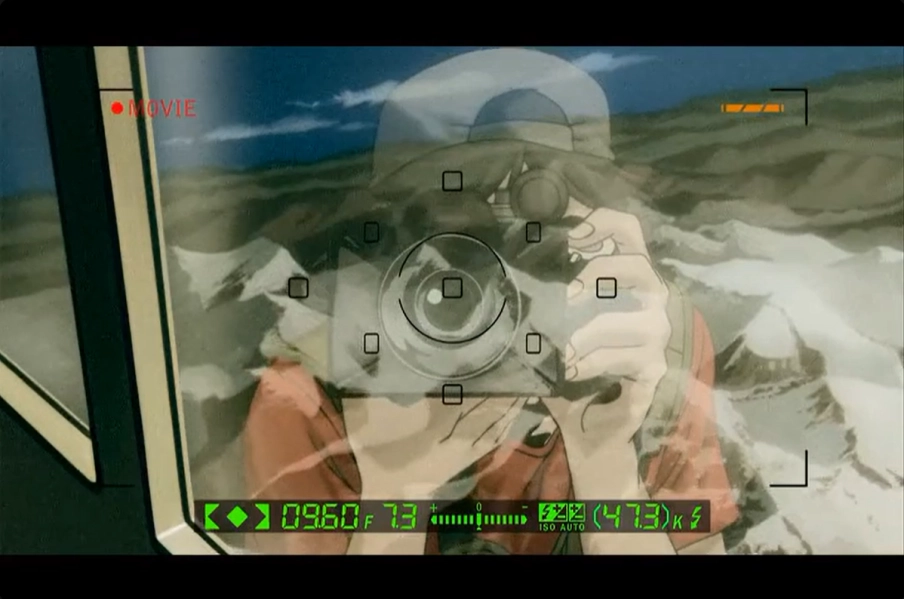
If unfamiliar with the history of the region FLAG is largely based around, the first episode may shock you with just how 1:1 of an analogy it feels like for what we’ve been seeing happen in Palestine from the news the past couple of years. But this is because this is an ongoing, constantly recurring thing. In Palestine in particular, we saw a similar cycle occur during the Second Intifada, which ended just a year before the release of this. As it goes on, the show becomes a less pointed analogy, building a nation and circumstance of its own that speaks moreso to a wide breadth of Western intervention in and around the middle east. There are places it certainly falters in this portrayal–which, if this were a normal anime that wasn’t so steeped in the reality it's attempting to reflect, might not be such a problem–but I’ll get more into that later.
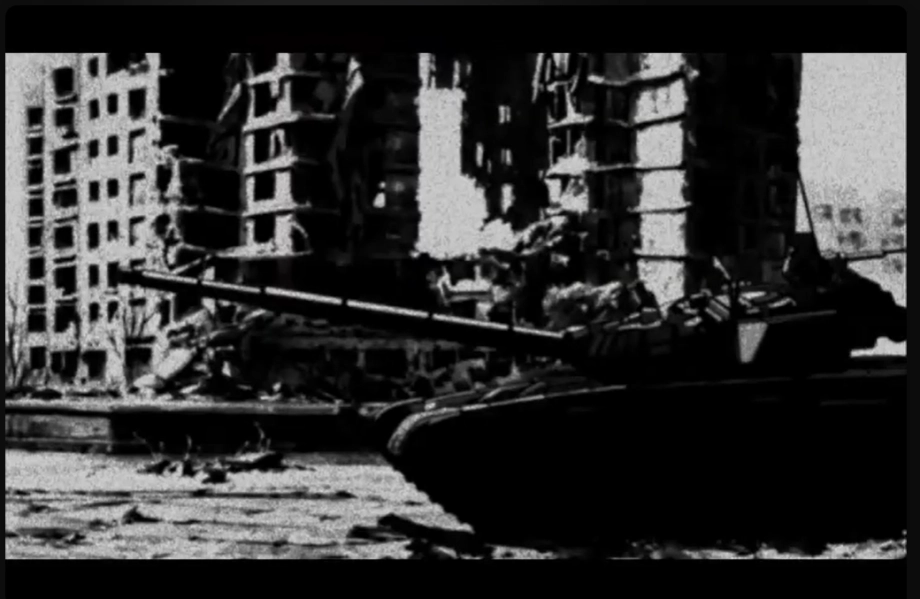
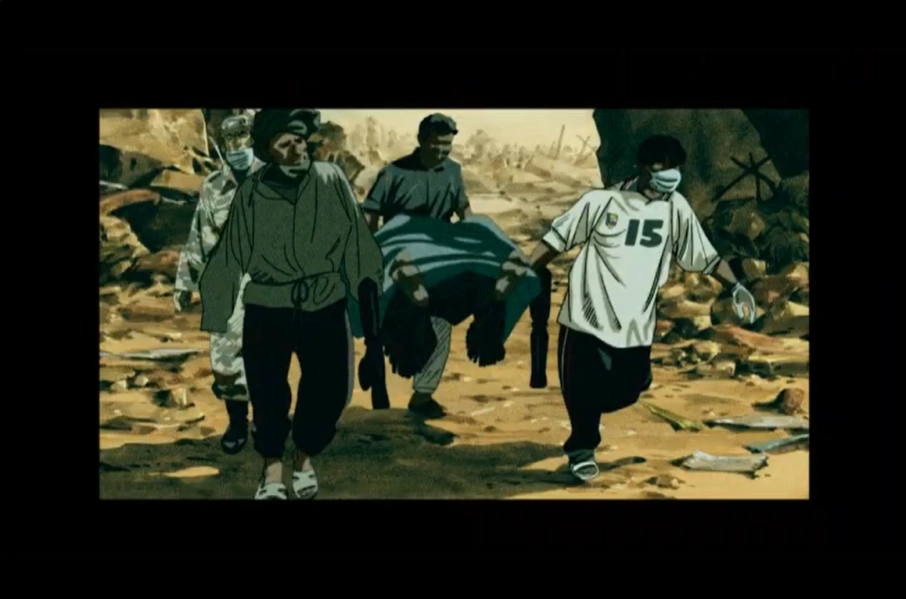
Now this is the part where I would like to talk about chief director Ryousuke Takahashi and some of the staff in more detail. About how he is one of the key progenitors of the Mecha genre from back in the 80s, and how this is probablyyyy something of a final bold creative statement and magnum opus near the end of his prolific career? About how exactly this fits into his extensive catalogue and carries on/differs from projects before it. About how his likely more thoughtful, politically emboldened approach to mecha and sci-fi clearly had an immense influence on the industry and on some of my personal favorite directors like Mamoru Oshii. But, I’ve yet to actually see anything else from him–I'm starting kind of in reverse order here. Maybe I’ll amend this bit once I have gone back and watched through things like Dougram and Votoms (in like a million years from now, given their length). Just know this guy’s pretty dang cool and important.
FLAG’s largest focus is on its presentation as a found-footage style fictionalized documentary compiled entirely of video and photos captured by two journalists on the ground of an ongoing military conflict. And outside of the at times wonky looking CGI mechs, the production here is pretty ridiculous. It clearly doesn’t have the budget to achieve an incredible amount of fidelity in its background art, or super impressive character animation most of the time (which isn’t helped out by the fact that you can only find it in 480p). But it focuses on the small things, and goes for hyper-detailed facial expressions and animation for the characters instead. Its dedication to this function of realism and its documentary styling is almost absurd. The analogue look of the footage itself, the constant shakiness of the camera, the dynamic lighting and lens flare effect, the frequent zooming in and out of focus (which is the part that especially baffles me).
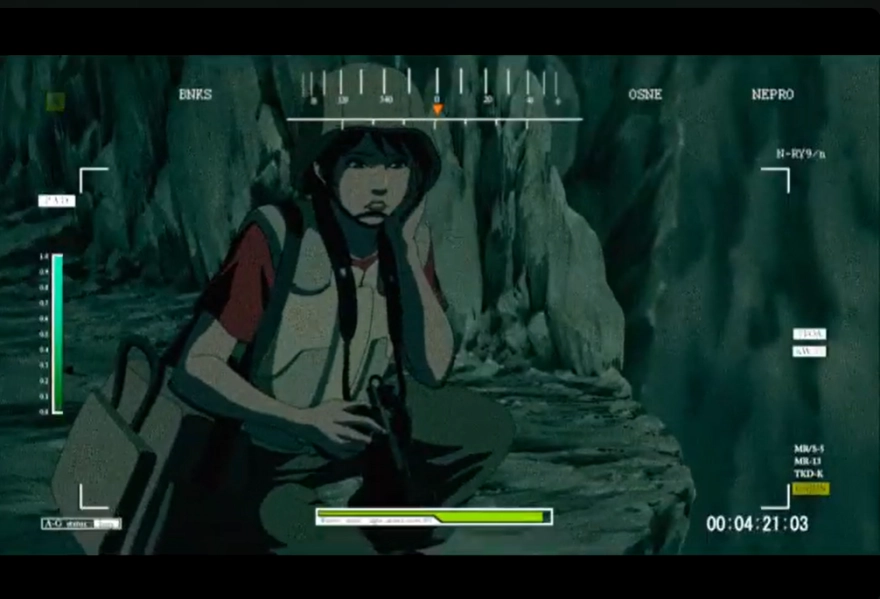
Let alone just being a really cool framing device–they completely sell this found-footage look and realism in a way I don’t know if I’ve seen since Jin-Roh. It's like, why didn't they just make this in live action? It would’ve made so much more sense. But leave it to the real robot otakus to pursue an idea that makes no real sense to its extreme.
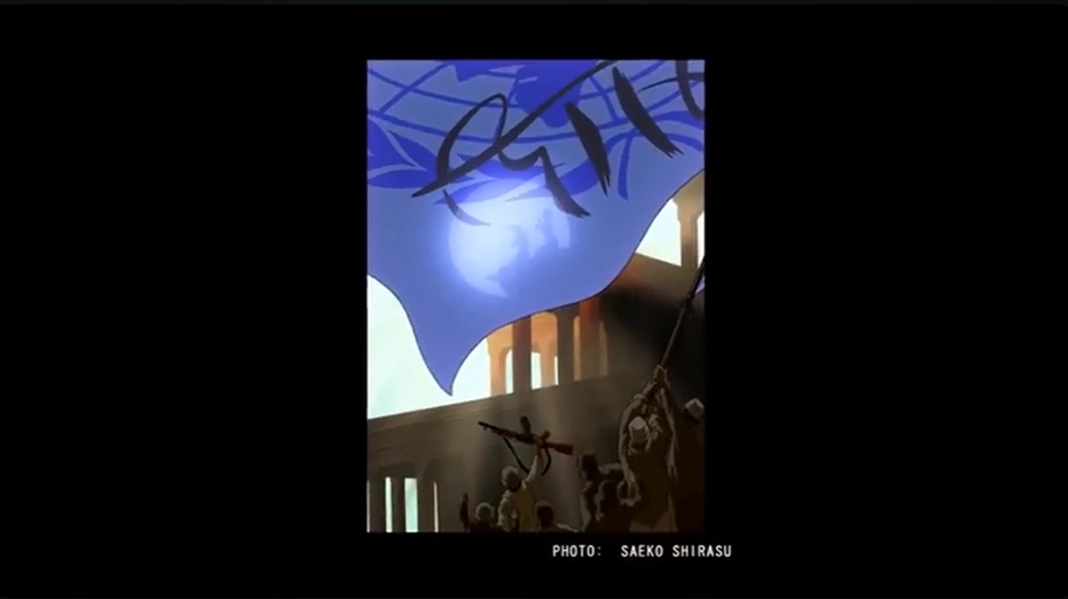
Narratively, this is a tricky one to sort out. It's pretty straightforward on the surface. Our main character, who is a journalist, is assigned to follow a special team put together to retrieve a flag which was stolen by an insurgent group because it has come to be a symbol of peace the UN wants as leverage in the upcoming ceasefire proposal. From there, it doesn’t shy away from depicting some of the brutal aspects of the military occupation of this country. Tanks and soldiers line the streets. Satellite footage is used to monitor the local population. Residential districts are bombed indiscriminately.
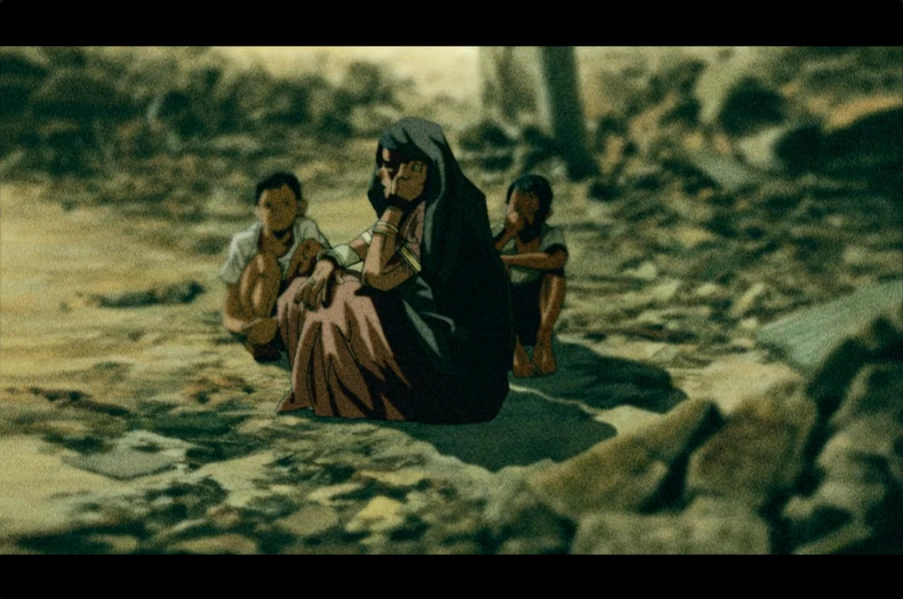
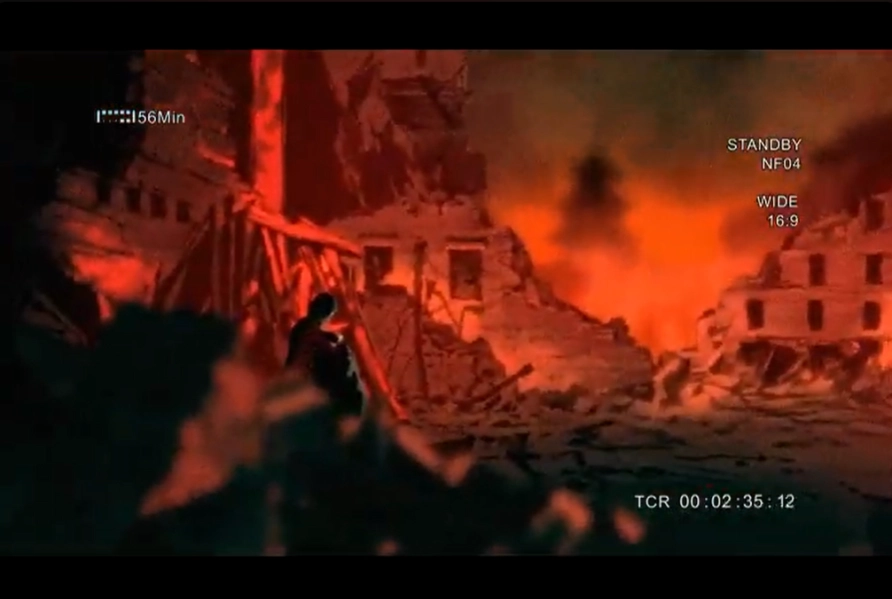
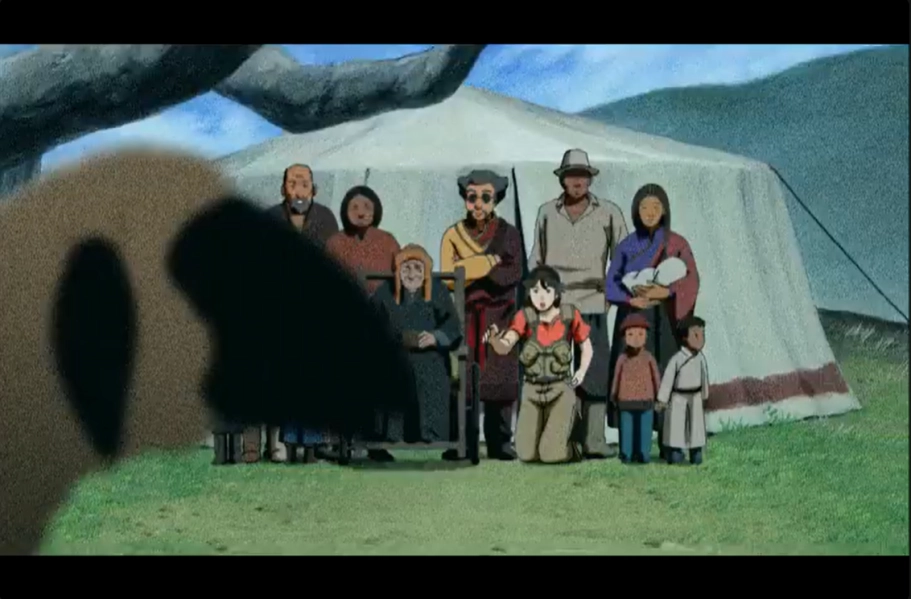
What is probably the biggest, glaring flaw throughout the show is the severely lacking perspective afforded to the victims in the whole conflict, the native people. We get pretty much one dedicated episode spent with a nomad group who is living moreso apart from the heart of the violence (which is easily the best episode of the series), but that's about it. This, however, kind of feels like it's by design. Given its whole framing device and a couple key moments, this feels like a story as much about the limitations of journalism as it is about the indispensable importance of it. Well, about some of the limitations of it and, more pressingly, how it can be shaped and narrativized by the powers that oversee it. Our perspective is that of an embedded journalist–someone who has been chosen by the military to come along with this special operation. This, along with a frequent critique of how the UN strives to silence and control the truth, displays the show’s understanding of the precarious position its own perspective is in.
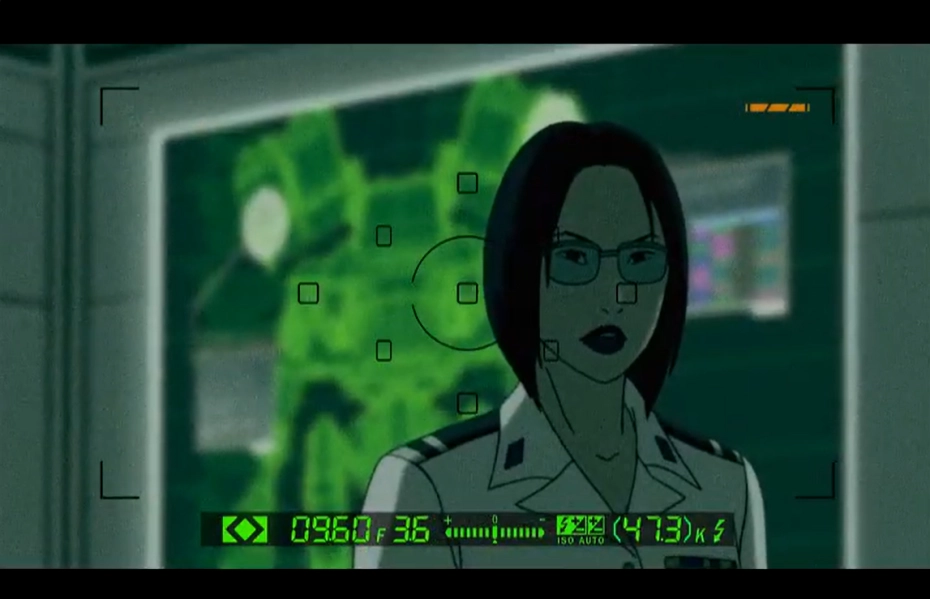
This complete dedication to its presentation does end up working in its favor in some other ways as well, though. It’s a meticulously technical portrait of modern day warfare. So much time and effort is spent on the detailing of our mechs–on the look of the camera footage and computer screens–on the technology operated to fire missiles at enemy targets–on the minutia of its militarized perspective. This functions quite well to reflect the systematic dehumanization those involved have to undergo in order to carry out their orders. Become completely immersed in the detail and procedure of it all–the battlefield as seen through computer screens and infrared cameras–and you might just be able to forget that what you’re doing is the mass slaughter and displacement of a people.
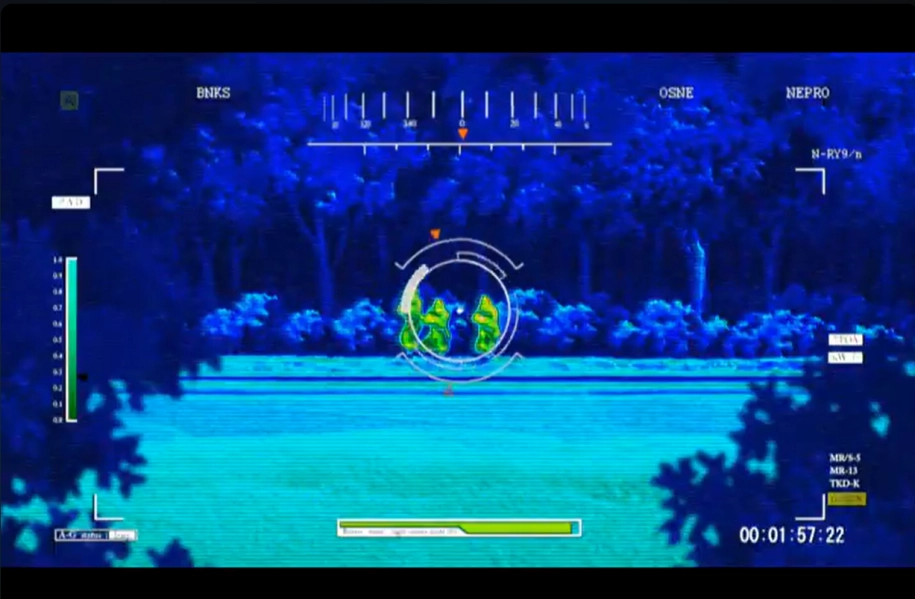
FLAG’s documentary style can make the poetry that’s captured throughout often feel almost accidental. A shot of one of our ally Mechs holding one of the native people’s lambs that had run wild captive in its grasp. An offhand comment by a doctor about how the elderly natives living off the land have it rough, but they never complain. Moments that feel rich with metaphor and significance pass by in an instant–our camera holding on them equally as long as it will hold on the odd shot of a mountain or missile strike. It really is just a dedication to journalism through and through. It gives you all the images to sort through, lets you know there’s a bias and limitation in the perspective even its showing, and allows you to relate it to reality and unpack the significance of it all as you will.
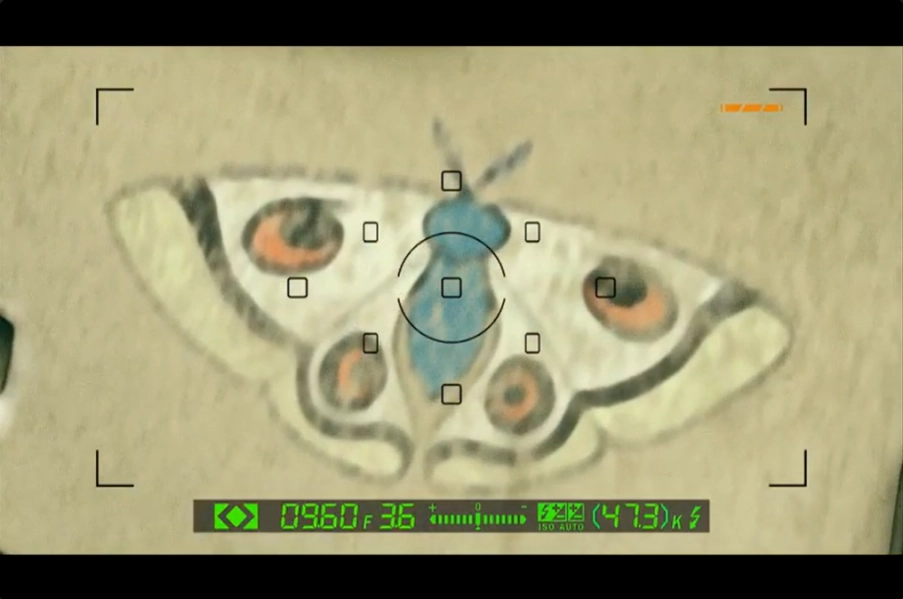
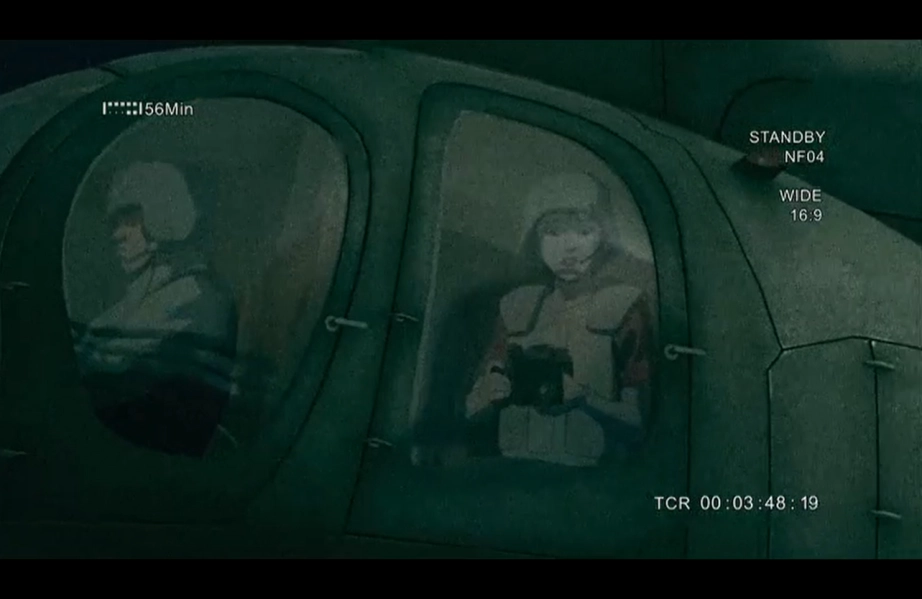
It’s an ultimately quite puzzling little series. Its biggest strengths end up creating some of its most crippling weaknesses. An anime that so badly wants to be live-action, but if it were live-action as is it really wouldn’t be very good. Does it really believe in the “peace” that the titular flag is meant to represent? I don’t think so, given our rather tragic ending where bombings occur again just weeks after the ceasefire is agreed upon. Does it have the courage to clearly identify the military occupation as the root of the conflict and violence? Also definitely not. What it does offer, however, is still an incredibly important perspective through a ridiculously impressive production. Real robot otakus all grown up (GONE WOKE, if you will), shifting their focus to real world conflict and the importance of war-time journalism. It’s no flawless, dialectical breakdown of the war economy and neo-colonialism, but it’s a bold effort and a rad little piece of anime history nonetheless.
20 out of 20 users liked this review
