Look Back has been making waves, and for good reason, it's based on the manga by Chainsaw Man's very own Tatsuki Fujimoto. But before you expect chainsaws and devil mayhem, pump the brakes; this film has a whole different vibe. Directed by Kiyotaka Oshiyama, who has worked with legends like Miyazaki and Anno and even directed an episode of Devilman Crybaby, this one's got serious talent behind it.
It tracks two young manga artists, Fujino and Kyomoto, as they guide the highs and lows of ingenuity, charity, and pursuing the vision of creating it big. Fujino begins off as the princess of her small world; she's got a four-panel manga in the school paper, her classmates promote her, and she believes she's fated for excellence. While then, reality check. She notices Kyomoto's artwork, which is on a completely other story, and unexpectedly, her faith carries a blow.
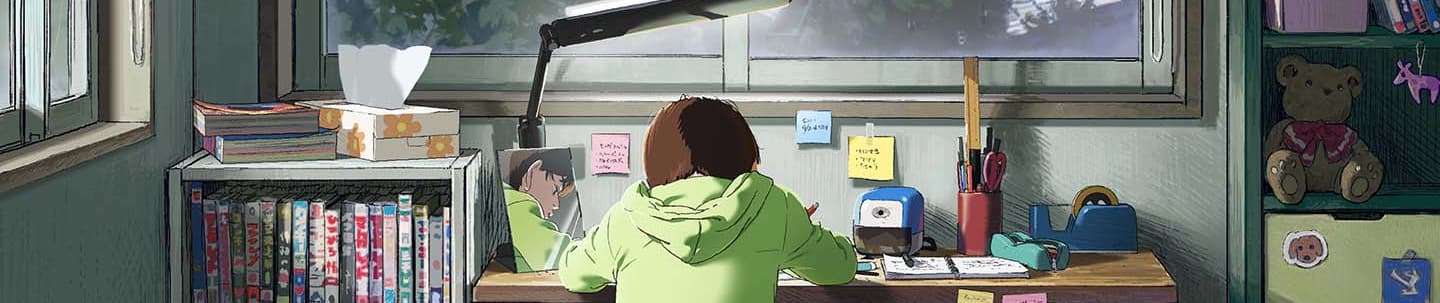
This point is caught beautifully in the film's animation. There's a lengthy set of Fujino just posing at her desk, gazing at a blank page before eventually drawing. It's so raw and relatable. Have you ever had that feeling where you think you're amazing at something, only to realize someone else is light-years ahead? Yeah, that's Fujino right there.
Eventually, these two team up, and their dynamic is one of the best parts of the movie. Look Back uses time jumps to condense years into just one hour, but it never feels rushed. The course shows their innovative approach is frivolity brief of incredible, quiet montages, beautiful lighting, and beats of refined creative desire. One standout set reveals them operating side by side, seasons varying outside the window, totally lost in their art. It's the type of graphic storytelling that strikes resonant.
Talking of visuals, this film is beautiful. The animation is clean, the use of natural lighting is on point, and the way the art styles shift to reflect Fujino and Kyomoto's drawings is just a chef's kiss. Kyomoto's art has this dark, textured watercolor feel, while Fujino's is more simplistic and playful. The only real downside is that we never get to see what their combined art style would have looked like, which feels like a missed opportunity.
And then… the gut punch. Just as Fujino and Kyomoto's careers are taking off, Kyomoto decides to enroll in art school. Fujino is blindsided and lashes out, and before they can make it, tragedy strikes, Kyomoto is killed by a random attacker. The movie bears a surreal bend as Fujino envisions an alternate existence where she rescues Kyomoto but at the expense of their manga drives. It's a sad arrangement that beats strongly.
The sound design is another highlight. The piano-heavy score is both stunning and devastating, creating every instant sense that is actually more severe. One of the most powerful scenes in the entire movie is a unique silent montage near the conclusion where Fujino and Kyomoto draw simultaneously without any dialogue, just a sterile atmosphere.
Currently, let's speak about the elephant in the chamber: the last act. The movie begins as a genuine coming-of-age tale about imagination and friendship. Still, then it turns into a full-blown disaster way. It's the kind of emotional whiplash that anime fans will recognize, build something beautiful, then shatter it in the most dramatic way possible. For some, this will hit deep. For others, it might feel like a forced tearjerker.
At the end of the day, Look Back is a visually captivating, emotionally set film that completely catches the efforts of being an artist. If you've ever sprayed your soul into something clever, you'll catch yourself in this story. Just be trained; it's a sluggish, reflective trip that brings a cruel arc when you short-wish it.
Final verdict: If you adore beautifully invigorated, thoughtful stories with gut-wrenching twists, Look Back is a must-watch. If you're not in the mood to have your seat pulled out, keep this one for another term. Either way, it's a movie that'll remain with you long after the credits roll.
27 out of 28 users liked this review
