

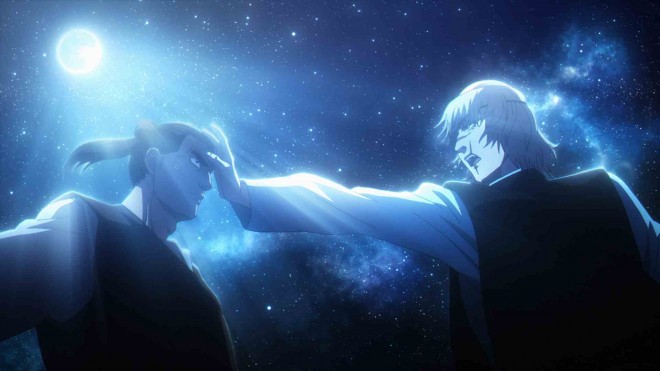
History surrounding knowledge is often complicated to discuss. Accounts of individuals claiming that one perspective is real, whereas the other argues against contradicting evidence, constantly hitting each other's intellectual minds until one embraces the other's intellectual discoveries and seems correct at the time—provided that it agrees with the views of the highest order. In a pre-modern world, fact is shaped with beliefs of the higher-ups, and contradiction otherwise shall be punished and labelled as an enemy. Learning is encouraged, but only ask the questions they want you to ask to further push a false-believed agenda.
In this unprogressive mindset imposed by the arrogant, innovators are suppressed, and the awaiting knowledge of truth in our world will inevitably be lost.
As you keep on reading in history books, you will realize that these conventions littered in texts would soon fade, as the arrogance is defeated by the far more arrogant individuals who seek the truth of nature rather than the biases of the perceived truth imposed by the higher-ups. From our real history, we've seen this with Darwin’s Evolutionary Theory and Freudian Psychology, and most notably—with where the anime has loosely adapted upon—is Copernicus’s Heliocentrism—or the idea that the sun is the center of the system, and earth merely revolves around it.
Heliocentrism at the time was a way to represent the accurate measurements and observations with the motion of planets in the more accurate form based on observable evidence. It also argues against geocentrism, or the idea that the Earth is the center of the universe, and the sun and planets revolve around the Earth. At the time, geocentrism was the widely accepted model, as it coincided with the beliefs of the church centered with Christian beliefs—and believing against that would mean defying God’s role for humans, thus the Christian belief collapses. Ultimately, the journey of seeking the knowledge of truth has a huge obstacle to safeguarding the religious beliefs of many individuals.
While the anime may not have adapted a direct manner of events, it does capture the essence and the current state of individuals facing that predicament. Some individuals may have come to a realization on the flaws of their beliefs and would help upon in seeking new and potentially life-changing discoveries, while many people would often turn a blind eye and find all sorts of excuses— twisting their beliefs system in order to fit their current narrative, from prejudistic actions, supression, to torture.
***
Orb: On the Movements of the Earth is one of the most unique and original animes out there, with a premise that highlights the issues of suppression, conservative beliefs, and the struggles of seeking the truth in a world where settlement of what was said to have been true is dominant with punishable actions when defying the status quo. Its unfiltered portrayal of the harshness of the past brings a horrifying insight into a fictionalized yet inspired by history of power in an entertaining yet saddened fashion with plotlines that will keep you engaged.
Aside from its historical relevance, the show offers an equally gripping story that makes you care for these characters, as well as tense-filled sequences that keep you hooked episode by episode with their well-directed, thrilling, and teeth-screeching moments with no wiggle room for any merit of safety for the characters on screen. This show is perfect for both history and non-history buffs alike, and I highly recommend that people watch this anime for its novelty and as a change of pace for people to watch in this crowded medium. ***